
Vishing and smishing are forms of phishing that use calls and text messages instead of email to trick people into giving up money, passwords, or access. They belong to the wider category of social engineering, where attackers manipulate human trust rather than break systems directly. The goal is usually the same: make the victim act quickly before thinking clearly.
TLDR: Phishing usually means fake emails, vishing means scam phone calls, and smishing means scam text messages. For example, an employee may get a text saying, “Your payroll login is locked. Verify here.” If just 2 people in a 100-person company click and enter credentials, attackers may gain enough access to steal data or send more convincing internal scams. Treat urgent requests for passwords, payments, or codes as suspicious until verified through a trusted channel.
What Is Phishing?
Phishing is a social engineering attack that uses fake messages to pose as a trusted person, company, bank, delivery firm, or government agency. The attacker wants the target to click a link, open an attachment, enter login details, approve a payment, or share sensitive data.
Email is the classic phishing channel. A message may look like it came from Microsoft, PayPal, a bank, HR, or a senior manager. The design may include logos, legal footers, and copied branding. Some emails are ugly and obvious. Others are polished enough to fool trained users for a moment.
The irritating part is that phishing does not need to be perfect. It only needs to arrive when someone is rushed, tired, or distracted. One bad click during a busy morning can do real damage.
What Does Vishing Refer To?
Vishing means voice phishing. It is phishing carried out through phone calls, voicemail, or voice-based apps. The attacker may pretend to be from a bank, tax office, IT support team, delivery company, police department, or fraud department.
Vishing works because voice adds pressure. A real person on the line can sound calm, official, friendly, or angry. They can answer questions. They can adjust the story. They can make silence feel uncomfortable.
Common vishing examples include:
- Bank fraud calls: “We noticed suspicious activity. Confirm your card number and security code.”
- IT support scams: “Your computer is infected. Install this remote access tool now.”
- Executive impersonation: “This is the CFO. I need you to process a payment before 3 p.m.”
- Tax or legal threats: “You owe money. Pay today or face arrest.”
- One-time code theft: “Read back the verification code we just sent to prove your identity.”
A major warning sign is a caller who asks for a password, authentication code, card PIN, or remote access. Legitimate organizations rarely need those details. Your bank does not need your full password. Your IT team should not ask for your multi-factor authentication code over the phone.
What Does Smishing Refer To?
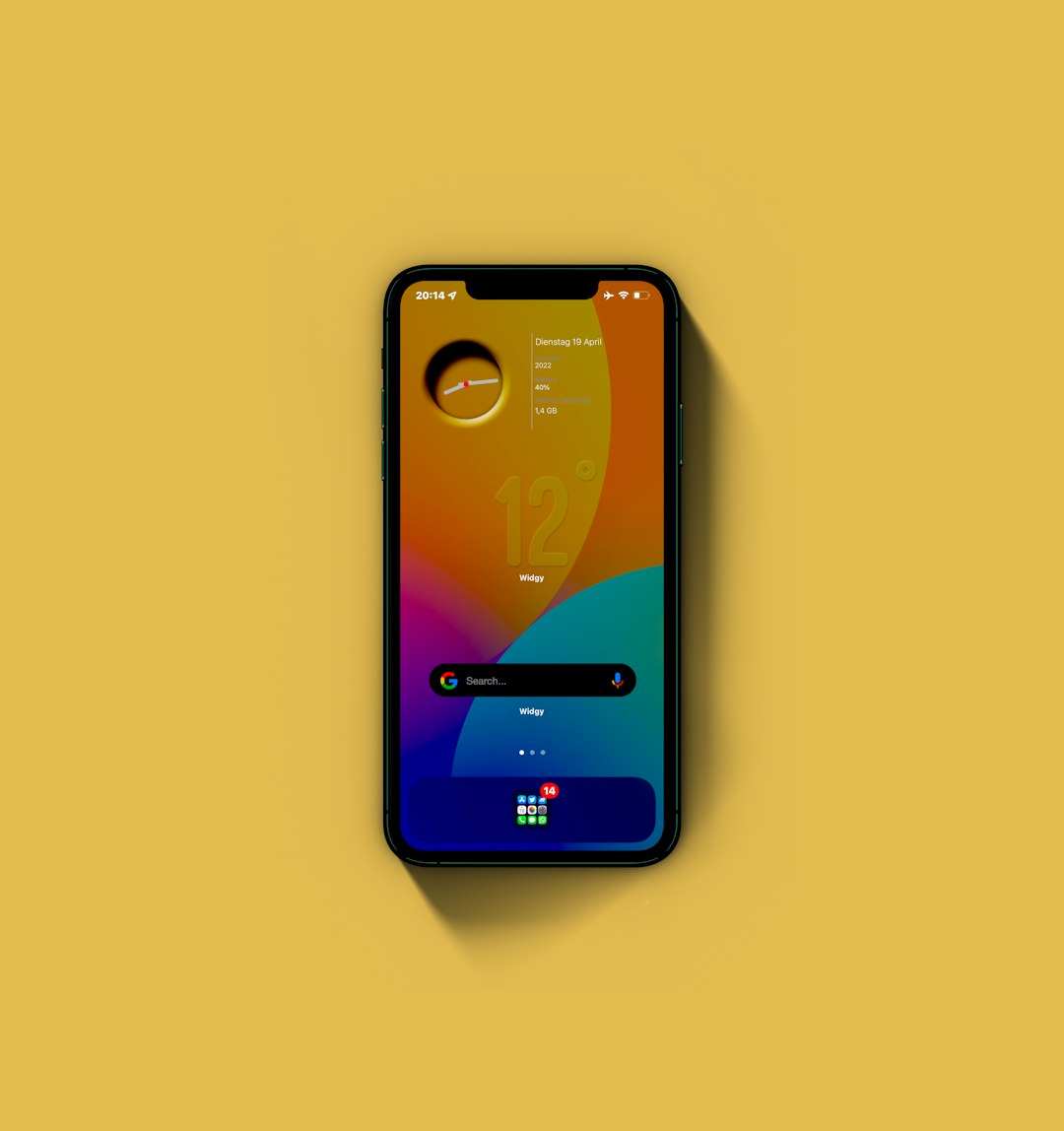
Smishing means SMS phishing. It uses text messages, messaging apps, or mobile notifications to trick victims. The message often includes a link or phone number. It may claim there is a missed delivery, unpaid toll, locked account, refund, prize, or urgent security alert.
Smishing is dangerous because people treat phones as personal and immediate. Many users read texts faster than email. Links are harder to inspect on a small screen. Shortened URLs hide the real destination. Honestly, it feels like phones made scams more portable and harder to check at the exact moment we need caution most.
Typical smishing messages include:
- Delivery scam: “Your package could not be delivered. Pay a small redelivery fee.”
- Bank alert: “Your account has been suspended. Verify your identity.”
- Fake invoice: “Payment failed. Update billing details.”
- Job scam: “You have been selected for remote work. Send ID to continue.”
- Government lure: “You are eligible for a refund. Claim within 24 hours.”
Phishing vs Vishing vs Smishing
The main difference is the communication channel. The attacker’s psychology stays similar, but the delivery method changes.
| Attack Type | Main Channel | Common Goal | Typical Warning Sign |
|---|---|---|---|
| Phishing | Steal logins, spread malware, trigger payments | Suspicious link, attachment, or sender address | |
| Vishing | Phone or voicemail | Steal codes, payments, card data, access | Pressure to act during the call |
| Smishing | SMS or messaging apps | Steal credentials or payment details | Urgent link sent by text |
Attackers often mix these methods. A phishing email may tell the victim to call a fake help desk. A smishing text may lead to a fake login page, followed by a vishing call from a “support agent.” This layered approach feels more believable because each step confirms the last one.
How Social Engineering Makes These Attacks Work
Social engineering targets decision-making. It uses emotion, timing, and authority. Attackers do not need to defeat a firewall if they can convince an employee to hand over access.
The most common pressure tactics are:
- Urgency: “Act in the next 10 minutes.”
- Fear: “Your account will be closed.”
- Authority: “This request comes from the CEO.”
- Scarcity: “This refund expires today.”
- Helpfulness: “I can fix this if you share your screen.”
These tricks work because they interrupt normal checks. A busy payroll worker may focus on avoiding trouble rather than checking whether the message is real. A customer may trust a caller who already knows their name, phone number, and last four digits of a card. Criminals often buy or scrape that information before making contact.
A Short User Case Scenario
Consider a 60-person accounting firm. On a Friday afternoon, five employees receive a text that appears to come from the firm’s payroll provider. The message says, “Your direct deposit details must be confirmed before payroll closes at 5 p.m.” Two employees click. One enters a username and password. The next page asks for a six-digit code, and the employee provides it.
Within 20 minutes, attackers access the payroll account and change one payment destination. The amount is not huge, but the firm now has a reporting issue, angry staff, and hours of cleanup. Expect to waste time on password resets, bank calls, access reviews, and awkward internal meetings after even a small incident.
How to Spot These Attacks
Look for behavior, not just spelling mistakes. Many modern scams use clean grammar and real branding. Some even use cloned voices or caller ID spoofing.
- Check whether the request creates panic or unusual urgency.
- Do not trust caller ID by itself. It can be spoofed.
- Hover over email links on desktop before clicking.
- Avoid opening links from unexpected texts.
- Never share one-time codes with callers or chat agents.
- Verify payment or password requests through a separate known contact method.
- Be suspicious of remote access requests you did not initiate.
How to Protect Yourself and Your Organization
Good protection combines technology, process, and habits. No single tool stops every phishing, vishing, or smishing attempt.
- Use multi-factor authentication, but train users never to share codes.
- Set payment approval rules for new vendors, bank changes, and urgent transfers.
- Use verified contact lists for banks, suppliers, executives, and IT support.
- Report suspicious messages quickly so security teams can warn others.
- Run realistic awareness training that includes calls and texts, not just email.
- Keep devices updated to reduce harm from malicious links and attachments.
The safest response is simple: stop, verify, then act. If a call, email, or text asks for credentials, money, codes, or access, pause the interaction. Contact the organization using a number or website you already trust. That small delay can prevent a costly breach.