Google Docs is the better choice for a plain, editable 75 Hard Challenge PDF, while Canva wins if you want a polished tracker you can print, share, or sell. If your goal is to start tomorrow, use Google Docs. If your goal is a beautiful challenge tracker with habit grids, water icons, photo boxes, and strong visual appeal, use Canva.
TLDR: For a simple 75 Hard tracker PDF, Google Docs is faster and easier to update. Canva is better for visual design, especially if you want a printable planner-style layout. For example, a coach making trackers for 30 clients may save time with Canva templates, while one person tracking 75 days can finish a Google Docs version in under 20 minutes. If you care about looks, pick Canva; if you care about speed, pick Google Docs.
Why a 75 Hard Challenge PDF Tracker Matters
The 75 Hard Challenge is strict. Each day has several non-negotiable tasks: two 45-minute workouts, one outdoors, a diet plan, no cheat meals, no alcohol, one gallon of water, 10 pages of reading, and a progress photo.
That is a lot to remember for 75 straight days. Missing one task means starting over. A PDF tracker helps because it turns the challenge into a visual checklist. You see the day, mark the tasks, and move on. No guessing. No “Did I take the photo?” at 11:47 p.m.
A good tracker should be:
- Clear enough to use when tired.
- Printable without weird margins.
- Editable if your diet rules or notes change.
- Motivating without being cluttered.
- Easy to export as a PDF.
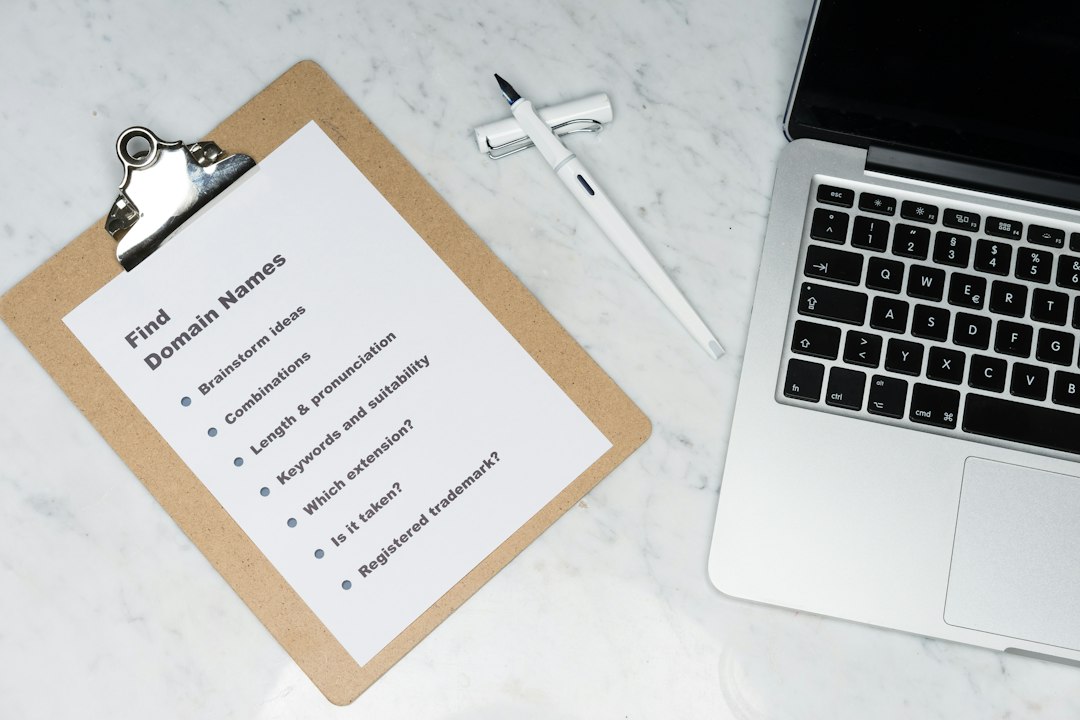
Google Docs for 75 Hard Challenge PDFs
Google Docs is best for people who want function first. You can create a simple table with 75 rows and columns for each daily requirement. Add a notes section. Add weekly reflection prompts. Then export it as a PDF.
The biggest win is speed. Google Docs is familiar, free for most users, and works well for text-heavy trackers. If you already use Google Drive, your file saves automatically. You can open it on your phone, laptop, or tablet without extra setup.
A basic tracker in Google Docs might include:
- Day number from 1 to 75
- Date
- Workout 1 checkbox
- Outdoor workout checkbox
- Water complete checkbox
- Diet followed checkbox
- Reading complete checkbox
- Progress photo checkbox
- Daily notes
Honestly, it feels like Google Docs should make clean checkboxes and print layouts easier than it does. Tables can shift when you add text. Margins can get annoying. A row that looked perfect on screen may jump to the next page after export. Expect to spend a few extra minutes fixing spacing if you want a neat PDF.
Still, Google Docs works well for a personal 75 Hard tracker. It is not fancy, but it gets the job done. If you want to edit your challenge plan each week, it is the safer pick.
Canva for 75 Hard Challenge PDFs
Canva is better when the tracker needs to look good. It gives you more control over layout, fonts, colors, icons, borders, and page design. You can build a tracker that feels like a fitness planner instead of a spreadsheet.
For a Canva 75 Hard PDF, you might create:
- A cover page with the challenge dates
- A 75-day habit grid
- Weekly check-in pages
- Progress photo placeholders
- Water tracking graphics
- Workout logs
- Motivation quotes
- Before and after reflection pages
The catch is that Canva can slow you down if you are not careful. Moving one icon by a few pixels can turn into a five-minute design spiral. Then you notice the font feels wrong. Then the boxes are not aligned. Suddenly, your “quick tracker” has become a mini design project.
But for printed PDFs, Canva usually looks better. It also has strong export options. You can download a standard PDF for digital use or a print-ready PDF for sharper results. That matters if you are creating trackers for clients, group challenges, fitness communities, or Etsy-style printable products.
Google Docs vs Canva: Quick Comparison
| Feature | Google Docs | Canva |
|---|---|---|
| Best for | Simple personal trackers | Designed printable trackers |
| Speed | Very fast for basic layouts | Fast if using templates |
| Design control | Limited | Strong |
| Editing text | Excellent | Good, but slower for long text |
| Printing | Good, with margin checks | Very good |
| PDF export | Simple | More options |
Which One Should You Use?
Use Google Docs if you want a clean, no-fuss 75 Hard Challenge PDF. It works best for people who want to print a checklist, tape it to the wall, and move through the program day by day.
Choose Google Docs if:
- You need the tracker today.
- You prefer simple black-and-white pages.
- You want easy text editing.
- You do not care much about decorative design.
- You plan to use the tracker privately.
Use Canva if presentation matters. It is ideal for coaches, content creators, trainers, accountability groups, and anyone who wants a tracker that feels inspiring.
Choose Canva if:
- You want a polished printable PDF.
- You like icons, colors, and visual sections.
- You are building a tracker for other people.
- You want cover pages and themed layouts.
- You may reuse the design for future challenges.
A Practical Workflow That Works
The smartest option may be using both tools. Start in Google Docs to plan the content. List every section you need. Build the daily task structure. Write your weekly prompts. Keep it plain.
Then, if you want a better-looking PDF, move that content into Canva. This avoids the worst Canva problem: designing before you know what the tracker needs to say. It also avoids the worst Google Docs problem: fighting with layout when you want something attractive.
A strong 75 Hard tracker PDF could include these pages:
- Challenge overview: dates, goals, and personal reason for starting.
- Daily tracker: 75 rows or daily boxes.
- Workout log: exercise type, duration, outdoor marker.
- Water tracker: gallon progress or bottle count.
- Reading log: book title and pages read.
- Photo checklist: daily confirmation box.
- Weekly review: wins, struggles, and adjustments.
PDF Tips for Better Results
Before exporting your 75 Hard Challenge tracker, check the basics. Print one test page. Make sure the checkboxes are large enough. If you use light gray text, confirm it prints clearly. Many pretty trackers fail because they look great on screen and weak on paper.
For Google Docs, use standard page sizes such as Letter or A4. Keep tables simple. Avoid tiny fonts. For Canva, use consistent spacing and do not overload each page with graphics. White space is your friend.
Also think about how you will use the tracker. If it will sit on a fridge, a one-page summary grid may be enough. If it will live in a binder, create weekly pages. If you will track digitally, leave space for typed notes and reduce heavy ink backgrounds.
Final Recommendation
For most people, Google Docs is the best starting point. It is quick, editable, and reliable for a personal 75 Hard Challenge PDF. You can build a useful tracker without design skills.
Canva is the better choice when the tracker needs to inspire action or impress others. It produces cleaner visuals and more professional printable pages. Just watch the time sink. A tracker is supposed to help you complete the challenge, not become the challenge.
If you are unsure, make a simple Google Docs version first. Use it for a few days. If you stick with the challenge and want something nicer, rebuild it in Canva. That way, your PDF grows from real use, not guesswork.