
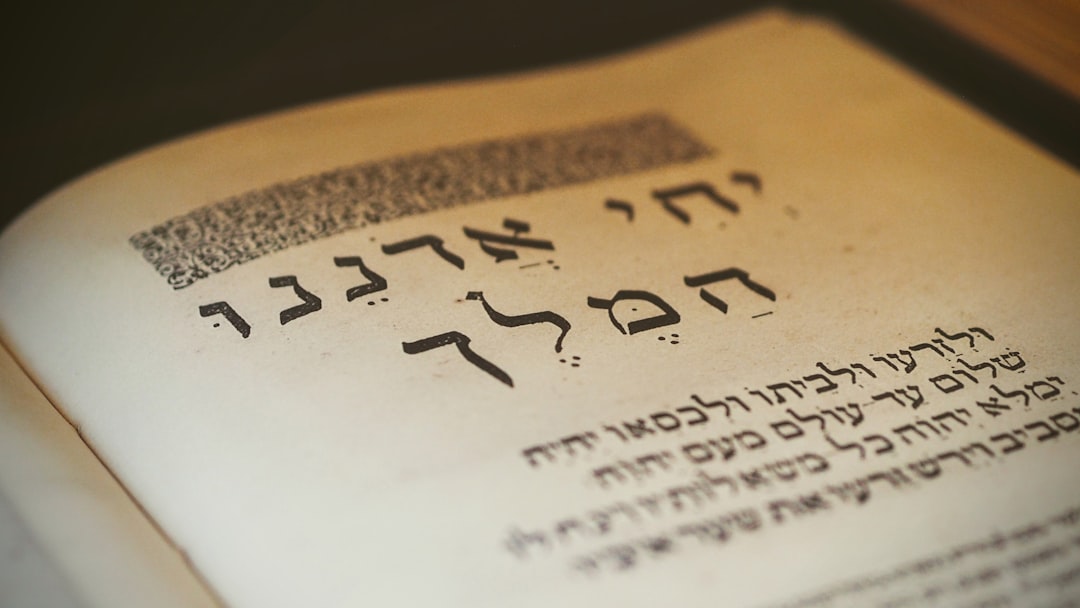

Language is full of borrowed words, evolving spellings, and subtle distinctions that reflect history as much as meaning. Few examples capture this better than the pair spiel and shpiel. At first glance, they appear interchangeable—two spellings of the same spoken word. Yet their origins, tone, and cultural connotations reveal slight but meaningful differences that are worth exploring.
TLDR: “Spiel” and “shpiel” come from the same linguistic roots but differ in origin and nuance. “Spiel” is the original German word meaning speech or play, while “shpiel” reflects Yiddish influence and carries a more informal or humorous tone. In modern English, they are often used interchangeably to describe a rehearsed speech or sales pitch. However, “shpiel” tends to feel more character-driven and culturally flavored.
The Origins of “Spiel”
The word spiel comes directly from German, where it originally meant play, game, or performance. In German, “das Spiel” can refer to anything from a theatrical production to a sports game. Over time, English absorbed the term, particularly during the 19th century, when German immigration significantly influenced American English.
In English usage, “spiel” shifted slightly in meaning. Rather than referring broadly to play or performance, it developed a narrower sense: a long, often rehearsed speech intended to persuade or entertain. Door-to-door salespeople, carnival barkers, and politicians were often described as delivering a “spiel.”
Image not found in postmetaThis evolution reflects a common linguistic process. Borrowed words rarely maintain their entire range of meanings; instead, they adapt to fill a particular niche in the borrowing language. In English, “spiel” became strongly associated with promotional talk—sometimes neutral, sometimes mildly critical.
For example:
- A car salesperson delivers a well-practiced spiel about safety features.
- A tour guide gives the same historical spiel several times a day.
In these cases, the word implies rehearsal and repetition, but it does not necessarily imply dishonesty. The tone may be slightly skeptical, yet it can also be affectionate or neutral.
The Yiddish Influence and the Rise of “Shpiel”
The alternate spelling shpiel reflects Yiddish phonetics. Yiddish, a High German-derived language historically spoken by Ashkenazi Jews, incorporates elements of Hebrew, Aramaic, and Slavic languages. Because Yiddish uses the “sh” sound to represent what standard German spells “sp” at the start of certain words, English speakers influenced by Yiddish often transliterated the word as shpiel.
This spelling captures pronunciation more intuitively for English readers: “shpeel.” While “spiel” might tempt some to pronounce it “speel,” “shpiel” removes ambiguity.
Beyond spelling, however, “shpiel” often conveys a slightly different tone. It tends to feel more informal, humorous, and character-driven. It may suggest storytelling flair, self-awareness, or dramatic exaggeration.
For example:
- At the family dinner, Uncle Morris launched into his familiar holiday shpiel.
- The comedian opened the show with a self-deprecating shpiel about airline travel.
In these examples, “shpiel” feels lively, perhaps theatrical, and infused with personality. It carries cultural resonance that “spiel” sometimes lacks.
Are They Technically Different Words?
From a strict dictionary standpoint, most modern English dictionaries treat “spiel” and “shpiel” as variants of the same word. Both commonly mean:
- A lengthy or fast speech
- A persuasive sales pitch
- A rehearsed monologue delivered repeatedly
However, language operates at more than a dictionary level. Usage patterns reveal subtle distinctions:
- Spiel feels slightly more formal or standard.
- Shpiel feels more comedic, cultural, or conversational.
In professional writing, news reporting, or formal criticism, “spiel” is generally preferred. In storytelling, personal essays, or humorous commentary, “shpiel” often appears.
Cultural Context and Tone
Understanding the emotional tone of each version requires attention to cultural context. The Yiddish-influenced “shpiel” often appears in environments shaped by Jewish-American speech patterns, especially in urban centers such as New York City.
It may carry connotations of:
- Warmth
- Self-aware exaggeration
- Comic timing
- Affectionate mockery
Someone described as “giving the whole shpiel” might be seen as over-the-top but entertaining. There is frequently an implied wink—a sense that both speaker and listener recognize the theatricality of the moment.
By contrast, “spiel” can feel more transactional. A corporate representative delivering a prepared message might be described as sticking to the company spiel. The humor is less implied and the tone slightly cooler.
Pronunciation and Spelling Confusion
Pronunciation is identical in most English dialects: shpeel. The confusion arises from spelling conventions rather than sound.
German spelling rules explain why “spiel” begins with “sp.” In German, “sp” at the beginning of a word is pronounced “shp.” Thus, “Spiel” sounds like “shpeel” in its original form.
English speakers unfamiliar with German phonetics may mispronounce “spiel” as “speel,” especially on first encounter. The phonetic spelling “shpiel” eliminates this risk.
Because English lacks a governing language academy, both spellings persist. Writers choose based on:
- Audience familiarity
- Tone of writing
- Cultural context
- Editorial style guides
Modern Usage in Media and Business
In journalism and business reporting, “spiel” dominates. Headlines frequently describe politicians repeating “the same old spiel” or entrepreneurs refining their “elevator spiel.”
The business world in particular has embraced the term “elevator spiel” (or elevator pitch). This refers to a concise, persuasive summary of an idea that can be delivered in the time it takes to ride an elevator.
In entertainment writing and memoir-style storytelling, however, “shpiel” often appears. Its informal quality fits conversational narratives and humorous reflection.
The distinction is not absolute, but usage trends are noticeable.
Subtle Differences in Connotation
To summarize tonal differences more precisely:
- Spiel may imply routine repetition.
- Shpiel may imply animated storytelling.
- Spiel can feel slightly critical.
- Shpiel often feels affectionate or comedic.
That said, context always matters. Either word can convey annoyance, humor, admiration, or neutrality depending on sentence structure and speaker intention.
Which One Should Be Used?
Writers choosing between the two should consider audience expectations.
- In formal reports, academic writing, or professional journalism, spiel is generally safer.
- In creative writing, dialogue, or cultural commentary, shpiel can add flavor.
- When emphasizing Jewish cultural roots or comedic tone, shpiel may feel more authentic.
Ultimately, neither spelling is incorrect in modern English. The choice is stylistic rather than grammatical.
Language Evolution in Action
The coexistence of “spiel” and “shpiel” demonstrates how English evolves through cultural exchange. German immigration introduced the original term. Yiddish-speaking communities reshaped its spelling and tonal resonance. American English absorbed both forms, allowing them to coexist.
This layered history reflects broader patterns of linguistic adaptation. Words are not static objects; they reflect movement, migration, and identity.
In everyday speech, most people are unaware of these distinctions. They simply recognize that both words describe a familiar phenomenon: the well-practiced speech, delivered with confidence, repetition, and sometimes dramatic flair.
FAQ
-
Is there a real difference between spiel and shpiel?
Technically, they share the same meaning. However, “spiel” comes directly from German and feels more standard, while “shpiel” reflects Yiddish influence and often carries a more humorous or informal tone. -
Are they pronounced differently?
No. Both are typically pronounced “shpeel.” -
Which spelling is more common?
“Spiel” is more common in formal and journalistic writing. “Shpiel” appears more often in informal, comedic, or culturally specific contexts. -
Is one spelling incorrect?
No. Both are accepted in modern English dictionaries as variant spellings. -
Why does German use “sp” to make a “shp” sound?
In German phonetics, “sp” and “st” at the beginning of words are pronounced with an “sh” sound. Yiddish transliteration reflects this pronunciation more directly in English spelling. -
Does “shpiel” always imply Jewish culture?
Not always, but it often carries cultural resonance connected to Yiddish-speaking communities. Context determines whether that nuance is emphasized.
In the end, the difference between a spiel and a shpiel is less about strict definition and more about nuance, history, and tone. One reflects its German theatrical roots; the other carries the rhythms and humor of Yiddish-inflected English. Both continue to thrive, proving that even a simple sales pitch can hold a story of linguistic migration within it.