
Cities have always produced their own languages, myths, and labels, but in the digital era those labels travel faster and mean more than ever before. One of the more intriguing examples is Metromsk, a term that has quietly evolved from obscure urban jargon into a searchable digital identity with cultural and SEO implications. Understanding what Metromsk really means requires looking at city life, online self-expression, and the way search engines interpret modern urban signals.
TLDR: Metromsk is a hybrid concept that blends urban culture, digital identity, and online visibility. It reflects how city-based communities express themselves online and how those expressions become searchable entities. Beyond slang, Metromsk functions as a cultural marker and a strategic keyword. Understanding it helps brands and creators connect authentically with urban audiences.
The Origins of Metromsk
The word Metromsk appears to be a compound of “metro,” suggesting metropolitan life, and an abstract suffix that gives it a coded, almost futuristic tone. This kind of construction is common in urban subcultures, where names are meant to signal belonging while staying flexible enough to evolve. Metromsk did not start as a brand or technical term. Instead, it emerged from informal online conversations, usernames, and references to city-centric experiences.
In large cities, identity is rarely singular. People blend music scenes, neighborhoods, languages, and digital platforms into one fluid self-image. Metromsk represents that fluidity. It does not point to one city alone, but to the shared logic of metropolitan life: density, diversity, speed, and constant reinvention.
Metromsk as Urban Culture in Motion
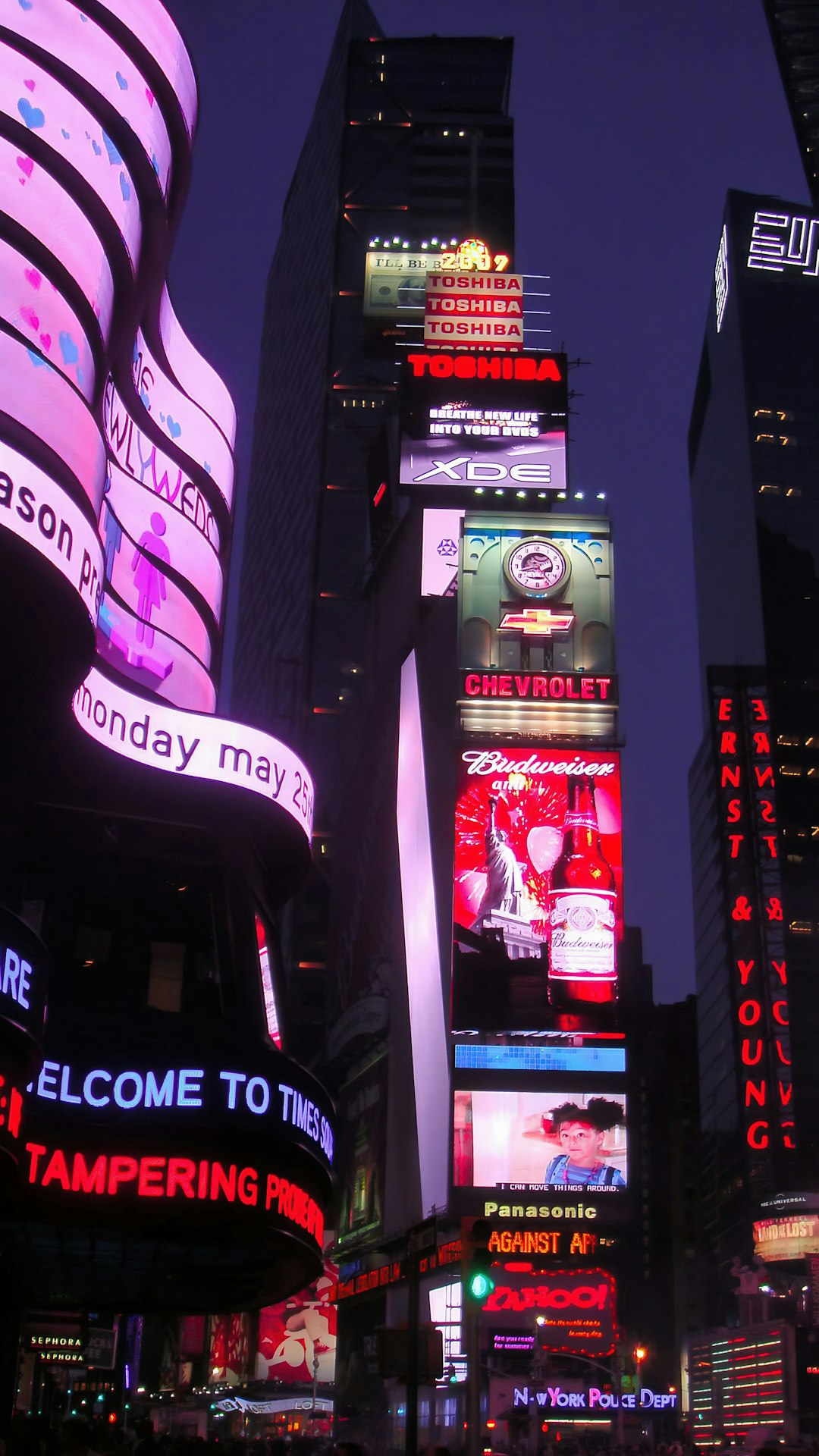
Urban culture today is not confined to physical space. A street style trend might be born in one neighborhood, photographed, tagged, shared, and reshaped across continents within hours. Metromsk reflects this motion. It stands for an urban mindset rather than a geographic boundary.
Common traits associated with Metromsk culture include:
- Hybrid aesthetics combining old city textures with modern digital visuals
- Multilingual expression mixing slang, abbreviations, and global references
- Creative resilience shaped by crowded environments and limited resources
- Constant adaptation to trends, platforms, and algorithms
Rather than replacing traditional urban culture, Metromsk adds a digital layer to it. A mural, for example, gains new meaning when tagged online, shared under a Metromsk-related handle, and discussed globally. The culture lives simultaneously on the street and on the screen.
Digital Identity and the Metromsk Effect
In the age of social media, identity is partly constructed through searchable elements. Usernames, hashtags, bios, and content themes create a digital fingerprint. Metromsk functions as one of those identifiers, signaling a connection to urban sophistication and modern creativity.
For individuals, adopting Metromsk as part of a digital identity can communicate several things at once:
- An association with metropolitan values
- A sense of cultural awareness and trend sensitivity
- A preference for contemporary, tech-aware expression
This is particularly evident among artists, designers, musicians, and content creators who want to be discovered without being boxed into a single location. Metromsk is specific enough to feel intentional, yet abstract enough to remain inclusive.
Image not found in postmetaHow Metromsk Became Searchable
Search engines thrive on patterns. When a term begins appearing across platforms with similar contextual meaning, algorithms start treating it as a distinct entity. Metromsk crossed that threshold when it began to appear consistently in profiles, post captions, niche blogs, and discussion forums.
Unlike generic keywords such as “urban lifestyle,” Metromsk offers uniqueness. This is important for SEO because:
- Lower competition makes ranking easier
- Clear intent helps search engines match it to relevant users
- Brandability allows it to represent a concept, not just a phrase
As a result, Metromsk is increasingly viewed not merely as slang, but as a searchable identity anchor. This transformation illustrates how culture and algorithms now co-create meaning.
SEO Impact: Why Metromsk Matters Online
From an SEO perspective, Metromsk is valuable precisely because it sits at the intersection of culture and keywords. Search engines aim to deliver content that satisfies user intent. When users search for Metromsk, they are often looking for something more nuanced than city news or generic trends. They want insight into a specific vibe or community.
Websites and creators leveraging Metromsk effectively often follow these practices:
- Using the term naturally within high-quality, context-rich content
- Connecting Metromsk to related topics like urban art, fashion, and tech
- Maintaining consistency across pages and platforms
This approach signals relevance and authority, two critical ranking factors. Overuse or artificial stuffing, on the other hand, can dilute the authenticity that makes Metromsk appealing in the first place.

Metromsk and Brand Storytelling
Brands are increasingly aware that audiences respond to stories, not slogans. Metromsk provides a narrative shortcut. It suggests modern urban life without needing lengthy explanations. When integrated thoughtfully, it can frame products, services, or content as part of a living metropolitan ecosystem.
For example, a fashion label using Metromsk language is not just selling clothing. It is selling mobility, adaptability, and city confidence. A digital platform referencing Metromsk is implying that it understands contemporary urban users and their expectations.
The key is alignment. If the brand experience does not match the cultural promise implied by Metromsk, audiences will sense the disconnect quickly. Authenticity remains central.
Criticisms and Misunderstandings
Like many emerging cultural markers, Metromsk is sometimes criticized for being vague or overly aesthetic. Some argue that it risks commodifying urban culture into a buzzword. These concerns are valid and highlight the importance of responsible use.
Metromsk should not erase real urban challenges or reduce complex communities to visual trends. Instead, it works best when paired with substance, local voices, and meaningful engagement. When respected as a living concept, rather than a label to exploit, it retains its cultural value.
The Future of Metromsk
Looking ahead, Metromsk is likely to continue evolving. As cities become smarter and digital layers integrate more deeply into daily life, hybrid identities will only grow more common. Metromsk may branch into subterms, platforms, or even offline events that reflect its original spirit.
What remains consistent is the insight it provides into our era. Metromsk shows how words can bridge streets and servers, people and algorithms. It is not just about being urban or being online, but about navigating both simultaneously.
In essence, understanding Metromsk means understanding how culture, identity, and SEO now move together. For creators, brands, and curious readers alike, it offers a glimpse into the language of modern metropolitan life.