
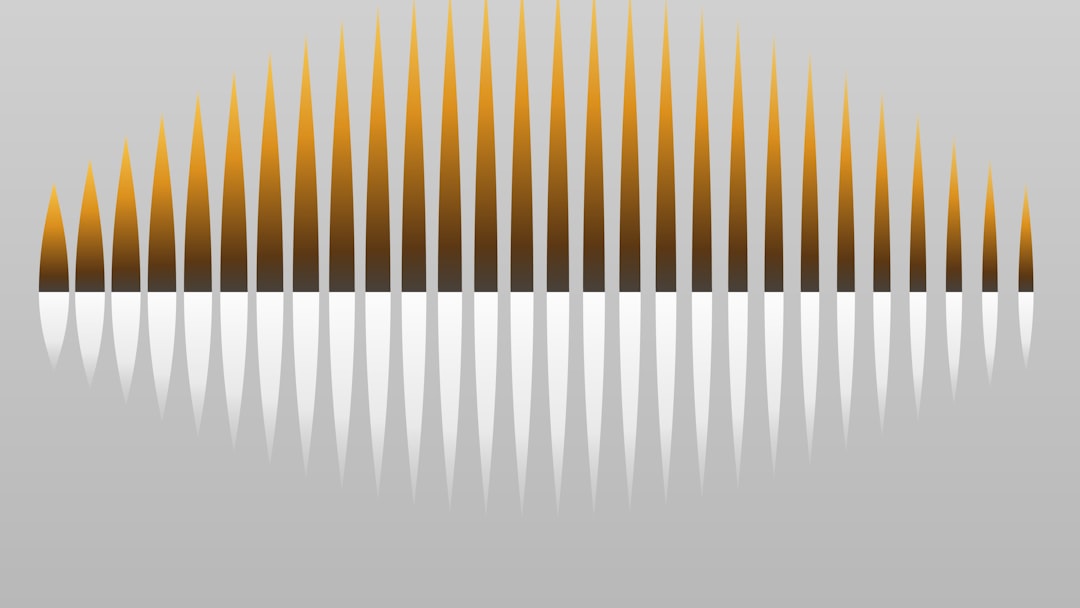

Imagine a radio transmitter as a tiny stage performer. It should not jump on stage screaming at full volume. It should walk in, turn up the volume smoothly, do its job, and then leave quietly. That smooth entrance and exit is called a TX ramp.
TLDR: A TX ramp is a controlled rise or fall in transmit power. It helps a radio signal start and stop smoothly. This reduces noise, protects nearby channels, and makes wireless systems behave better. You will find TX ramps in phones, radios, Wi Fi devices, Bluetooth gear, radar, and many other transmitters.
What does TX mean?
TX is a short way to say transmit or transmitter. In electronics, you often see two little labels:
- TX means sending.
- RX means receiving.
So, when we say TX ramp, we mean a ramp related to the sending side of a radio system.
A transmitter sends energy through the air. That energy carries information. It may carry your voice. It may carry a text message. It may carry a GPS signal. It may carry a radar pulse. The transmitter must control that energy carefully.
If it does not, it can make a mess.
What is a TX ramp?
A TX ramp is a smooth change in transmit power over time.
Think of a light dimmer. You do not snap the light from off to full brightness. You turn it up slowly. A TX ramp does the same thing, but with radio power.
There are usually two parts:
- Ramp up: The signal grows from low power to full power.
- Ramp down: The signal falls from full power to low power.
This may happen very fast. It can take microseconds. That is a tiny slice of time. But in radio systems, tiny slices matter a lot.
Why not just turn the transmitter on?
You can turn a transmitter on suddenly. But it is usually a bad idea.
A sudden jump creates sharp edges. Sharp edges in time create wide energy in frequency. That means the signal can spill into nearby channels.
This is like clapping beside a sleeping cat. The clap is fast. It is sudden. It spreads sound everywhere. The cat is not impressed.
A smooth ramp is more polite. It keeps the signal cleaner. It tells the transmitter, easy now, no drama.
The main purpose of a TX ramp
The big purpose is simple:
A TX ramp controls how transmit power starts and stops.
That helps with several important things.
1. It reduces spectral splatter
Spectral splatter sounds like a sci fi accident. It is not that dramatic. It means unwanted signal energy spreads outside the intended channel.
Wireless systems use channels. One device may use one channel. Another device may use the next channel. If your transmitter splatters, it may bother the neighbor channel.
A TX ramp helps keep the signal inside its lane.
Think of driving. If you swerve all over the road, people honk. If you stay in your lane, everyone is happier.
2. It prevents interference
Interference is unwanted radio noise. It can make signals weak. It can cause errors. It can make audio crackle. It can slow data down.
A good TX ramp helps stop sudden bursts of energy. That means fewer noisy surprises for nearby receivers.
3. It helps meet regulations
Radio transmitters must follow rules. These rules come from groups like the FCC in the United States, ETSI in Europe, and other agencies around the world.
The rules limit how much energy can leak into other frequencies. They also limit power levels. A TX ramp helps engineers pass these tests.
No one wants a product to fail a certification test. That is expensive. It is also sad. Very sad.
4. It protects the transmitter hardware
Transmitters include amplifiers. These parts boost the signal. A sudden jump can stress parts of the circuit.
A controlled ramp is gentler. It can reduce spikes. It can help the power amplifier behave in a safe and stable way.
5. It improves signal quality
Wireless signals are often carefully shaped. The shape matters. Data can be packed into tiny changes in phase, frequency, or amplitude.
If the transmitter turns on like a firework, that shape can be damaged. A TX ramp keeps the start and stop neat.
A simple picture in your head
Picture a hill.
At the bottom, the transmitter is quiet. As you walk up the hill, the transmit power rises. At the top, the transmitter is sending at full strength. Then you walk down the other side, and the power falls.
That hill shape is the ramp.
It might be a straight slope. It might be curved. It might be shaped like a raised cosine. Engineers love names like that. It sounds fancy. It mostly means, nice and smooth.
Common TX ramp shapes
Not all ramps look the same. Different systems use different ramp shapes.
- Linear ramp: Power rises at a steady rate.
- Exponential ramp: Power changes slowly at first, then faster.
- Raised cosine ramp: Power changes very smoothly at the start and end.
- Custom ramp: The shape is designed for a special system.
The best shape depends on the job. A simple device may use a simple ramp. A high performance radio may use a carefully designed ramp table.
A ramp table is a list of power settings. The transmitter follows the list step by step. It is like sheet music for radio power.
Where is a TX ramp used?
TX ramps appear in many wireless systems. You may use several of them every day and never notice.
Mobile phones
Your phone transmits all the time. It talks to cell towers. It sends voice, data, and control messages.
A phone must share the air with many other phones. So its transmitter must be polite. TX ramping helps the phone start and stop bursts without making too much noise.
This is very important in systems like GSM, LTE, and 5G. Timing matters. Power matters. Clean signals matter.

Wi Fi routers
Wi Fi sends data in packets. A packet starts. A packet ends. Then another packet may come later.
Each time the transmitter starts, it must do it cleanly. A TX ramp helps prevent ugly power jumps. This helps your router play nicely with other routers nearby.
In an apartment building, that is a big deal. There may be dozens of Wi Fi networks. The air can get crowded fast.
Bluetooth devices
Bluetooth gear is small. It often runs on batteries. Earbuds, watches, speakers, keyboards, and fitness trackers all use tiny radios.
These radios send short bursts. TX ramping helps those bursts stay controlled. It also helps reduce waste and noise.
Your earbud may be tiny, but it still needs manners.
Two way radios
Walkie talkies and professional radios use TX ramps too. When a user presses the talk button, the transmitter turns on. When they release it, the transmitter turns off.
A smooth ramp helps reduce popping, clicking, and channel splatter.
This is useful for public safety systems. Police, fire, aviation, marine, and industrial radios all need reliable communication.
Radar systems
Radar systems transmit pulses. These pulses bounce off objects. The radar listens for echoes.
The shape of each pulse matters. A sudden edge can cause unwanted frequency spread. A controlled ramp can make the pulse cleaner.
This can improve measurement quality. It can also reduce interference with other radio systems.
Satellite communication
Satellites use carefully managed transmitters. Power is precious in space. Interference is a serious problem.
A TX ramp can help control bursts, protect amplifier stages, and keep signals within allowed limits.
Also, satellites are expensive. You do not want them acting like a noisy microwave oven in orbit.
Internet of Things devices
IoT devices are everywhere. They include smart meters, sensors, trackers, alarms, and smart home gadgets.
Many of these devices wake up, send a short message, and go back to sleep. TX ramping makes that quick message cleaner and more efficient.
This is very useful for battery life. It is also useful in crowded networks.
TX ramp and power amplifiers
The power amplifier, or PA, is a key part of a transmitter. Its job is to make the signal strong enough to send.
Power amplifiers can be sensitive. If you drive them too hard too fast, they may create distortion. Distortion creates unwanted frequencies. That is bad.
A TX ramp lets the PA move into action smoothly. It gives the circuit time to settle. It helps reduce overshoot.
Overshoot means the power goes higher than planned for a short moment. It is like pouring juice and accidentally splashing over the cup. A ramp helps prevent that splash.
TX ramp and timing
Timing is critical in many wireless systems. A device may have a specific time slot. It must transmit during that slot and stay quiet outside it.
If the ramp is too slow, the signal may not reach full power in time. If the ramp is too fast, it may create splatter.
So engineers must balance both needs.
- Fast enough to meet timing rules.
- Slow enough to keep the signal clean.
- Stable enough to avoid glitches.
It is a tiny dance. The transmitter has to hit the beat.

How engineers test a TX ramp
Engineers use special tools to check a TX ramp. These tools can show power over time. They can also show energy over frequency.
Common tools include:
- Oscilloscopes: These show how signals change over time.
- Spectrum analyzers: These show where signal energy appears in frequency.
- Power meters: These measure transmit power.
- Vector signal analyzers: These inspect signal quality in detail.
Engineers look for a clean rise. They look for a clean fall. They check for overshoot. They check for unwanted emissions.
If the ramp is ugly, they adjust it. They may change software settings. They may tune the power amplifier. They may update a ramp table.
Software control of TX ramps
Modern transmitters are often controlled by software. That makes TX ramping flexible.
A chip may include digital controls for gain. Software can step through values very quickly. Each value nudges the transmit power up or down.
This lets designers create smooth shapes. It also lets them adjust behavior for different channels, bands, or power levels.
For example, a phone may use one ramp setting at low power and another at high power. It may use different settings for different radio bands.
This is smart. Radio is not one size fits all.
What happens if a TX ramp is wrong?
A bad TX ramp can cause many problems.
- Channel leakage: Energy spills into nearby frequencies.
- Failed compliance tests: The device may not meet legal limits.
- Data errors: The receiver may struggle to read the signal.
- Audio pops: Voice radios may click or pop.
- Reduced range: Poor signal quality can weaken performance.
- Battery waste: Bad control can waste power.
In short, the transmitter becomes rude. And in radio, rude devices cause trouble.
A simple everyday analogy
Think about driving a car.
If you slam the gas pedal, the ride feels rough. The tires may slip. Passengers may spill coffee. If you press the pedal smoothly, the car moves better.
A TX ramp is like pressing the gas pedal smoothly.
Now think about braking. If you slam the brakes, everyone lurches forward. If you brake smoothly, the stop feels controlled.
That is the TX ramp down.
TX ramp vs modulation
TX ramping is not the same as modulation.
Modulation is how information is placed onto a signal. It may change amplitude, frequency, or phase.
TX ramping controls the overall transmit power at the start and end.
They work together. Modulation carries the message. The ramp controls the entrance and exit.
One is the song. The other is the volume fade.
Why TX ramps matter more now
The radio world is crowded. Phones, cars, watches, routers, sensors, drones, and satellites all share the air.
Clean transmission is more important than ever. Every device must avoid bothering other devices.
A TX ramp is a small detail. But it has a big effect. It helps wireless systems stay clean, legal, efficient, and friendly.
Final thoughts
A TX ramp is a simple idea with a very important job. It makes transmit power rise and fall smoothly. That smooth change prevents noisy edges, reduces interference, and protects signal quality.
You can think of it as good radio manners. No shouting. No slamming doors. No splashing into the neighbor channel.
Whether it is in a phone, router, satellite, radar, or tiny Bluetooth earbud, the TX ramp helps the transmitter behave. It keeps the airwaves cleaner. It keeps systems reliable. And it proves that even in high tech electronics, a little smoothness goes a long way.