
Time series forecasting has become a cornerstone of modern decision-making, enabling organizations to anticipate demand, identify seasonal patterns, and respond proactively to change. By analyzing historical data trends, businesses and analysts can uncover insights that guide everything from financial planning to supply chain optimization. With the rise of advanced analytics platforms and machine learning tools, forecasting has evolved from simple spreadsheet models to sophisticated predictive ecosystems that offer remarkable accuracy and scalability.
TLDR: Time series forecasting tools help organizations analyze historical data trends to make data-driven predictions about future outcomes. These tools range from user-friendly platforms like Excel and Power BI to advanced programming frameworks like Python, R, and enterprise analytics software. Choosing the right solution depends on data complexity, scalability needs, and user expertise. When applied effectively, forecasting tools improve planning, reduce risk, and strengthen strategic decision-making.
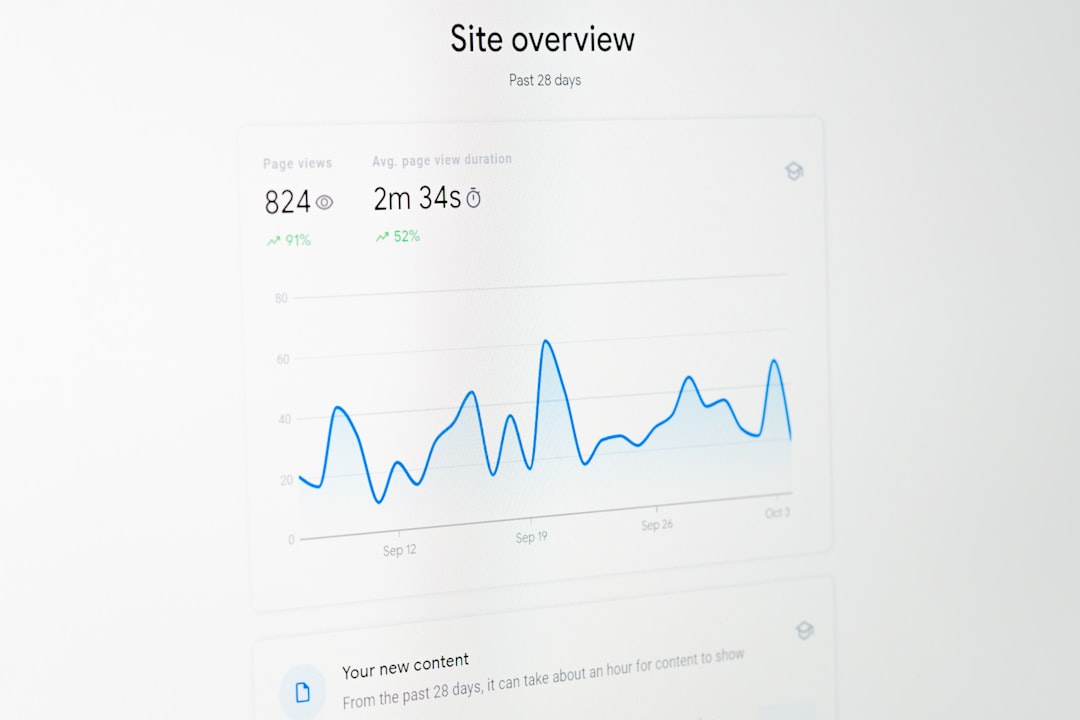
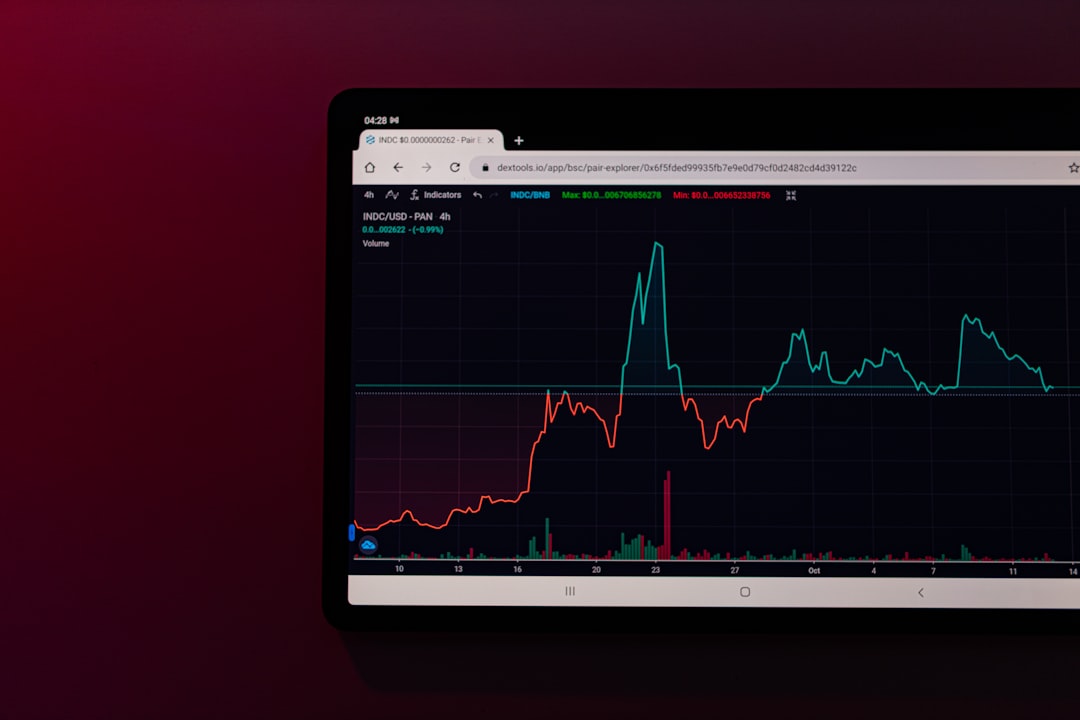
At its core, time series forecasting relies on structured historical data collected at consistent intervals—daily sales, monthly revenue, quarterly production volumes, or annual growth rates. Forecasting tools apply statistical models or machine learning algorithms to detect patterns such as trends, seasonality, cyclicality, and irregular fluctuations. By identifying these components, analysts can project future values with measurable confidence.
Why Time Series Forecasting Matters
Organizations across industries depend on forecasting tools for several critical reasons:
- Strategic planning: Anticipating sales, demand, or revenue trajectories.
- Inventory management: Reducing overstocking and stockouts.
- Financial modeling: Predicting cash flow and budgeting needs.
- Resource allocation: Scheduling staff and managing production capacity.
Without reliable analysis of historical data, decisions become reactive rather than proactive. Forecasting tools transform backward-looking data into forward-looking insights.
Key Features to Look for in Forecasting Tools
Before selecting a time series forecasting solution, analysts should evaluate certain core capabilities:
- Automated trend and seasonality detection
- Support for ARIMA, exponential smoothing, and machine learning models
- Data visualization and dashboard integration
- Scalability for large datasets
- Integration with databases and cloud services
- Forecast accuracy metrics (MAE, RMSE, MAPE)
The right combination of these features determines whether a tool is suitable for small-scale forecasting or enterprise-grade predictive analytics.
Popular Time Series Forecasting Tools
1. Microsoft Excel
Excel remains one of the most accessible forecasting tools. With built-in functions such as FORECAST.ETS and moving averages, it allows users to perform exponential smoothing and basic predictive modeling.
Best for: Small datasets and quick forecasts.
Advantages: Easy to use, widely available.
Limitations: Limited scalability and advanced modeling options.
2. Python (Pandas, Statsmodels, Prophet)
Python has become a leading environment for time series forecasting. Libraries such as Pandas handle data preprocessing, Statsmodels supports ARIMA and SARIMA models, and Prophet simplifies trend and seasonality forecasting.
Best for: Data scientists and scalable automation.
Advantages: Customization, machine learning integration.
Limitations: Requires programming knowledge.
3. R (forecast, tsibble)
R offers robust statistical modeling for time series data. The forecast package provides advanced ARIMA and exponential smoothing implementations.
Best for: Academic and statistical research.
Advantages: Strong statistical foundation.
Limitations: Less intuitive for business users.
4. Power BI
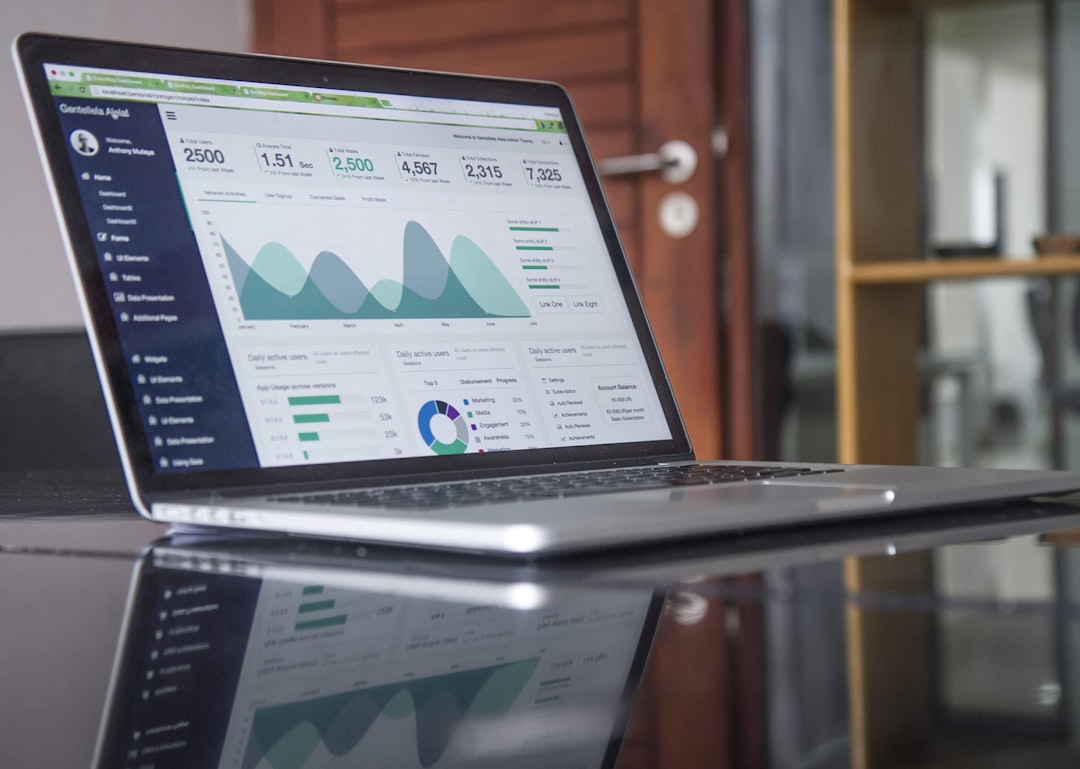
Power BI integrates forecasting directly into its visual dashboards. It uses built-in exponential smoothing algorithms that allow users to generate forecasts without coding.
Best for: Business intelligence dashboards.
Advantages: Visual interface, automated insights.
Limitations: Less flexibility for custom modeling.
5. Tableau
Similar to Power BI, Tableau enables visual exploration and automatic forecasting. Its predictive analytics engine is suitable for business analysts who prioritize presentation and clarity.
6. SAS Forecasting
SAS delivers enterprise-grade forecasting capabilities with large-scale automation and advanced statistical methods. It is frequently used in finance and manufacturing industries.
7. IBM SPSS
IBM SPSS provides time series modeling tools suited to researchers and corporate analysts. It supports ARIMA, exponential smoothing, and neural networks.
Comparison Chart of Time Series Forecasting Tools
| Tool | Ease of Use | Advanced Modeling | Scalability | Best For |
|---|---|---|---|---|
| Excel | High | Low to Medium | Low | Basic forecasting |
| Python | Medium | High | High | Data science projects |
| R | Medium | High | Medium | Statistical research |
| Power BI | High | Medium | Medium | Business dashboards |
| Tableau | High | Medium | Medium | Data visualization |
| SAS | Medium | Very High | High | Enterprise forecasting |
| IBM SPSS | Medium | High | Medium to High | Corporate analytics |
Common Forecasting Techniques Used in These Tools
Most forecasting platforms support a core set of time series techniques:
- ARIMA (AutoRegressive Integrated Moving Average): Models autocorrelation in time series data.
- SARIMA: Extends ARIMA by incorporating seasonality.
- Exponential Smoothing (ETS): Weights recent observations more heavily.
- Prophet: Decomposes time series into trend, seasonality, and holidays.
- LSTM Neural Networks: Deep learning methods for complex temporal dependencies.

Each method has strengths depending on data volume, complexity, and predictability. Traditional statistical models often perform well on structured, seasonal data, while machine learning excels in nonlinear or large-scale environments.
Challenges in Time Series Forecasting
Despite powerful tools, forecasting involves inherent challenges:
- Data quality issues: Missing values and inconsistent intervals can reduce accuracy.
- Overfitting: Complex models may perform well on historical data but poorly on new data.
- External influences: Economic shocks or unexpected events can disrupt trends.
- Seasonal shifts: Changing consumer behavior can alter patterns.
Effective forecasting tools address these issues through cross-validation, residual diagnostics, and automated model selection features.
Choosing the Right Tool for Your Needs
Selecting a forecasting tool requires careful assessment of:
- Technical expertise: Does the team have programming capabilities?
- Scale of data: Is the dataset small or enterprise-level?
- Budget constraints: Are open-source tools sufficient?
- Integration: Does the tool connect with existing systems?
Smaller businesses may benefit from Excel or Power BI, while data-driven enterprises often adopt Python, R, or advanced commercial platforms. The most effective strategy may combine multiple tools—for example, preprocessing data in Python and visualizing forecasts in Power BI.
The Future of Time Series Forecasting Tools
As artificial intelligence continues to evolve, forecasting tools are becoming increasingly automated and intelligent. AutoML platforms now select optimal models without manual tuning. Cloud-based forecasting services enable real-time analysis across global operations. Additionally, hybrid models that combine traditional statistics with deep learning promise greater accuracy in volatile environments.
Organizations that invest in the right time series tools gain more than predictive insights—they achieve resilience. By continuously analyzing historical data trends, they position themselves to adapt quickly in an unpredictable world.
Frequently Asked Questions (FAQ)
1. What is time series forecasting?
Time series forecasting is the process of using historical data collected over consistent intervals to predict future values. It identifies patterns such as trend and seasonality to project upcoming outcomes.
2. Which tool is best for beginners?
Microsoft Excel and Power BI are often recommended for beginners due to their user-friendly interfaces and built-in forecasting features.
3. What is the difference between ARIMA and exponential smoothing?
ARIMA models focus on autocorrelation within the data, while exponential smoothing emphasizes recent observations and trend or seasonal components.
4. Can machine learning improve time series forecasts?
Yes. Machine learning models such as neural networks and gradient boosting can capture complex nonlinear relationships that traditional statistical models may miss.
5. How can forecast accuracy be measured?
Common metrics include Mean Absolute Error (MAE), Root Mean Squared Error (RMSE), and Mean Absolute Percentage Error (MAPE).
6. Are free tools sufficient for business forecasting?
Open-source tools like Python and R are highly capable and often sufficient for many business needs. However, enterprise environments may require commercial platforms for scalability and support.