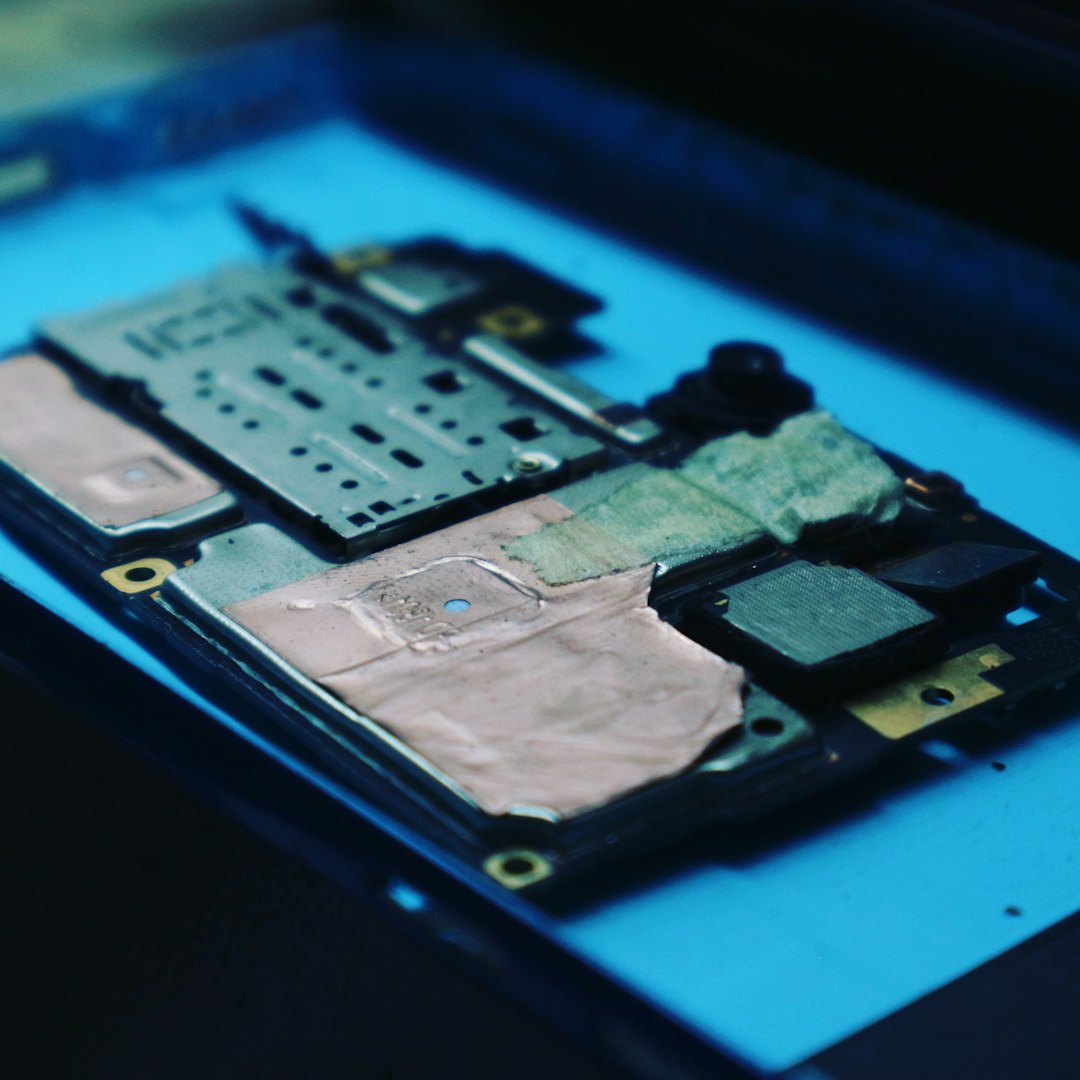

On paper, the battle between Apple’s A19 Pro and Qualcomm’s Snapdragon 8 Elite Gen 5 looks like a simple matter of benchmark scores. Charts show percentages, bars stretch longer on one side, and headlines quickly declare a winner. But real-world performance is far more nuanced. Architecture decisions, power efficiency, software integration, thermal behavior, and AI acceleration all shape how a chip actually feels inside your pocket.
TLDR: Benchmark numbers between the A19 Pro and Snapdragon 8 Elite Gen 5 only tell part of the story. Apple’s chip leans heavily into tight hardware-software integration and sustained performance, while Qualcomm emphasizes versatility, AI acceleration, and cross-device adaptability. Real-world usage—gaming, video editing, multitasking, and battery life—often reveals strengths that synthetic tests miss. Choosing the “better” chip depends more on your ecosystem and usage patterns than raw scores.
Performance on Paper vs Performance in Practice
Synthetic benchmarks like Geekbench and 3DMark are useful reference points. They measure peak CPU output, GPU throughput, and compute capabilities under controlled conditions. The A19 Pro frequently leads in single-core CPU performance thanks to Apple’s aggressive custom core design. Meanwhile, the Snapdragon 8 Elite Gen 5 often competes strongly in multi-core workloads and GPU stress tests, depending on device configuration.
But here’s what the scores don’t show:
- How long each chip can sustain peak performance without throttling.
- How efficiently it manages heat inside slim smartphone bodies.
- How well optimized apps are for the architecture.
- How intelligently the operating system allocates tasks.
For example, Apple’s vertical integration means iOS is finely tuned to the A19 Pro’s microarchitecture. Scheduling decisions, memory access patterns, and API-level graphics optimization all benefit from that closed ecosystem. Qualcomm, on the other hand, builds for a broad Android landscape with dozens of manufacturers, screen sizes, and cooling solutions.
Architecture: Custom Control vs Platform Flexibility
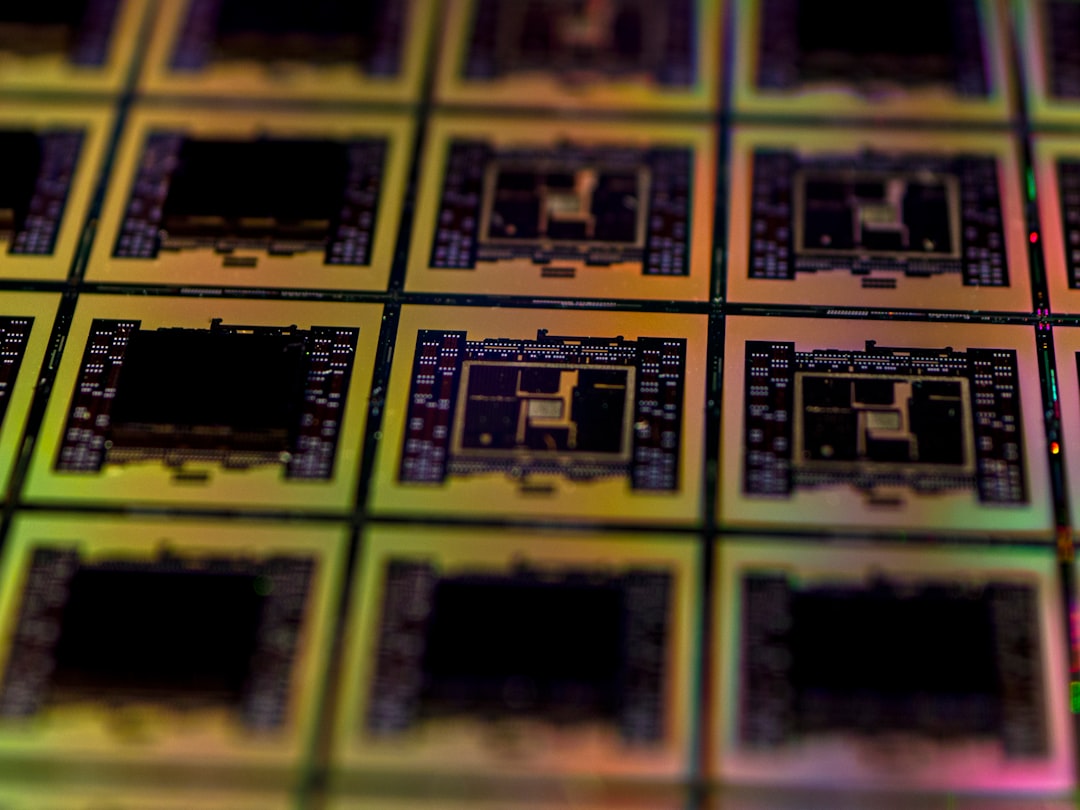
The A19 Pro continues Apple’s tradition of large, high-performance cores paired with efficient cores for lighter tasks. Apple prioritizes:
- High instructions per cycle (IPC)
- Large cache pools
- A tightly integrated memory subsystem
This often results in exceptional single-thread responsiveness. Everyday interactions—opening apps, scrolling complex pages, exporting short videos—feel instantaneous.
The Snapdragon 8 Elite Gen 5, meanwhile, showcases Qualcomm’s latest custom-tuned performance cores combined with next-generation efficiency cores. Qualcomm focuses on:
- Balanced multi-core scaling
- Advanced AI acceleration blocks
- Strong graphics and ray tracing features
- Broad compatibility across Android devices
Because Snapdragon chips must support diverse manufacturers, they often include more modular flexibility. This benefits users who care about gaming-centric phones, foldables, or devices with active cooling solutions.
Sustained Performance and Thermal Realities
Peak performance numbers are short-lived if a chip overheats. Here’s where the difference becomes interesting. Apple’s silicon tends to prioritize sustained efficiency over dramatic spikes. The A19 Pro’s large performance cores are aggressively optimized for power-per-watt gains, allowing it to maintain a steady output over extended workloads like 4K video editing.
Snapdragon 8 Elite Gen 5 devices vary more widely. In phones with advanced vapor chambers and internal cooling systems, sustained GPU performance can rival or exceed expectations. In thinner devices, however, thermal throttling may reduce long-session gaming output.
This variability means benchmark headlines don’t always reflect consumer experiences. The same chip in two different Android phones can perform noticeably differently depending on thermal engineering.
GPU and Gaming: Numbers vs Optimization
Gaming is another area where quick comparisons can be misleading. Apple’s A19 Pro typically excels in graphics stability thanks to deep Metal API optimization. Developers often tailor major game releases specifically for iOS hardware profiles.
Qualcomm counters with:
- Advanced ray tracing capabilities
- High frame rate support at QHD and beyond
- Broader graphics driver customization

Snapdragon’s GPU drivers can be updated independently through the Play Store on some devices, which gives Qualcomm a unique performance tuning advantage post-launch. Apple, in contrast, integrates updates via full iOS releases, offering stability but less modular flexibility.
In real-world gaming, the difference often comes down to ecosystem optimization rather than raw teraflop counts.
AI and On-Device Intelligence
The AI race is where the “scores” become even less representative of actual capability. AI benchmarks measure TOPS (trillions of operations per second), but raw AI throughput doesn’t automatically translate into smarter daily experiences.
The A19 Pro focuses on:
- Efficient neural engine integration
- On-device privacy-first machine learning tasks
- Seamless integration with iOS features like voice processing and real-time photo enhancement
Snapdragon 8 Elite Gen 5 highlights:
- Dedicated AI acceleration cores
- Generative AI model optimization
- On-device large language model execution
- Advanced camera scene detection
In practice, both chips handle AI photography, voice isolation, and predictive typing effortlessly. The difference emerges in specialized workloads—such as running compact generative AI models offline—where Qualcomm’s broader AI toolchain can offer more flexibility to Android manufacturers experimenting with on-device assistants.
Battery Life: The Invisible Metric
Battery endurance is rarely captured in synthetic scores but matters more than almost anything else to users.
Apple’s efficiency advantage often manifests in:
- Long standby times
- Consistent screen-on time even under mixed loads
- Optimized background task scheduling
Snapdragon 8 Elite Gen 5, produced on a cutting-edge fabrication node, also boasts impressive efficiency. But Android’s more varied hardware ecosystem introduces variability in battery tuning and background app behavior.
As a result, battery life comparisons often reflect manufacturer software discipline as much as chipset efficiency.
Camera Processing and ISP Capabilities
The Image Signal Processor (ISP) is another component hidden behind CPU and GPU benchmarks. Apple’s A19 Pro typically shines in consistent color science, real-time Dolby Vision video processing, and deep integration with proprietary software pipelines.
Qualcomm’s Snapdragon 8 Elite Gen 5 pushes boundaries with:
- Higher raw sensor throughput support
- Advanced computational HDR stacking
- Multi-camera simultaneous capture
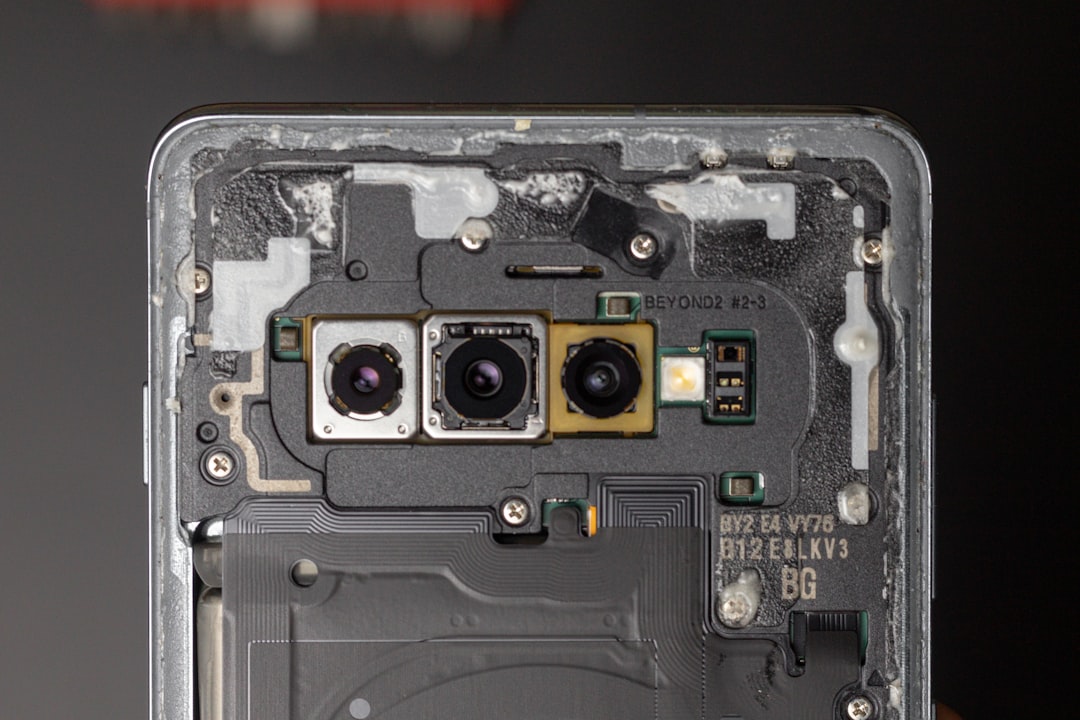
Photography differences often come down to brand interpretation—Samsung, Xiaomi, OnePlus, or others tuning Snapdragon’s ISP differently. Apple maintains a more unified visual identity across devices.
Quick Comparison Overview
| Category | A19 Pro | Snapdragon 8 Elite Gen 5 |
|---|---|---|
| Single Core CPU | Industry leading responsiveness | Highly competitive, slightly behind in peak IPC |
| Multi Core Scaling | Strong, optimized for iOS workloads | Excellent, especially in optimized devices |
| GPU Gaming | Stable, tightly optimized | Feature rich, strong ray tracing support |
| AI Capabilities | Efficient and privacy focused | Flexible, generative AI ready |
| Battery Efficiency | Highly consistent | Strong but device dependent |
| Ecosystem Integration | Deep vertical integration | Broad Android adaptability |
The Ecosystem Effect
Ultimately, what benchmark charts don’t capture is ecosystem synergy. The A19 Pro doesn’t just power a smartphone; it’s part of a tightly interwoven network of devices—from tablets to wearables to laptops. Features like seamless file transfers, unified messaging, and cross-device continuity benefit from shared silicon philosophies.
The Snapdragon 8 Elite Gen 5 operates in a more open environment. It enables innovation across form factors—foldables, gaming phones, productivity flagships—and allows brands to differentiate boldly. Some will prioritize camera performance; others will emphasize gaming endurance.
So, What Really Matters?
If you prioritize:
- Consistency and predictability
- Long-term performance stability
- Deep hardware-software integration
the A19 Pro may align better with your expectations.
If you value:
- Cutting-edge gaming features
- AI experimentation and flexibility
- Device variety and innovation
the Snapdragon 8 Elite Gen 5 stands out as a versatile powerhouse.
Beyond the Numbers
Benchmark scores provide a snapshot, not a full biography. They capture a processor at its peak under artificial conditions. They don’t measure optimization culture, thermal design discipline, software longevity, or real-world satisfaction.
In 2026, the competition between the A19 Pro and Snapdragon 8 Elite Gen 5 is less about who “wins” and more about two different philosophies of mobile computing. One prioritizes vertical control and tight refinement. The other emphasizes adaptability and broad innovation.
And that’s what the scores don’t show: not just performance, but identity.