

Octopus FX is a name that appears in online trading discussions, but traders should approach it with a careful, evidence-based mindset. This review looks at its likely trading features, fee considerations, platform experience, and safer alternatives to compare before opening an account or depositing funds.
TLDR: Octopus FX may appeal to traders looking for forex and CFD access, but the most important question is whether its regulation, fees, and withdrawal policies are transparent. For example, if a trader deposits $1,000 and pays a spread of 2.0 pips on EUR/USD instead of 0.8 pips, trading costs can rise meaningfully over 50–100 trades. Always verify licensing, test withdrawals with a small amount first, and compare Octopus FX with established regulated brokers before committing capital.
What Is Octopus FX?
Octopus FX appears to be marketed as an online trading provider offering access to financial markets such as forex, commodities, indices, and possibly cryptocurrencies or other CFDs. However, because broker information can vary by region and website version, traders should confirm the official company name, registration details, and regulatory status directly from primary sources.
A trustworthy broker should clearly disclose its legal entity, office address, license number, regulator, risk warnings, fee structure, and client fund protection policies. If any of these details are missing, vague, or difficult to verify, that should be treated as a serious warning sign.
Trading Features to Review
When evaluating Octopus FX, traders should focus on practical trading conditions rather than promotional claims. The following areas are especially important:
- Tradable instruments: Check whether the broker offers major forex pairs, minor pairs, commodities, indices, shares, and crypto CFDs. A broad asset list can be useful, but only if pricing and execution are reliable.
- Leverage: High leverage can increase potential returns, but it also increases the chance of rapid losses. Retail traders should be cautious with leverage above 1:30 or 1:50, especially in volatile markets.
- Order execution: Look for information about slippage, requotes, execution speed, and whether the broker operates as a market maker, STP, or ECN provider.
- Account types: Some brokers offer standard, premium, VIP, or Islamic accounts. Compare minimum deposits, spreads, commissions, and withdrawal rules across each account tier.
- Risk management tools: Essential tools include stop loss, take profit, margin alerts, negative balance protection, and transparent liquidation rules.
A serious trader should not judge a broker only by bonuses, deposit promotions, or promises of high returns. Consistency, transparency, and dependable withdrawals matter far more.
Platform and User Experience
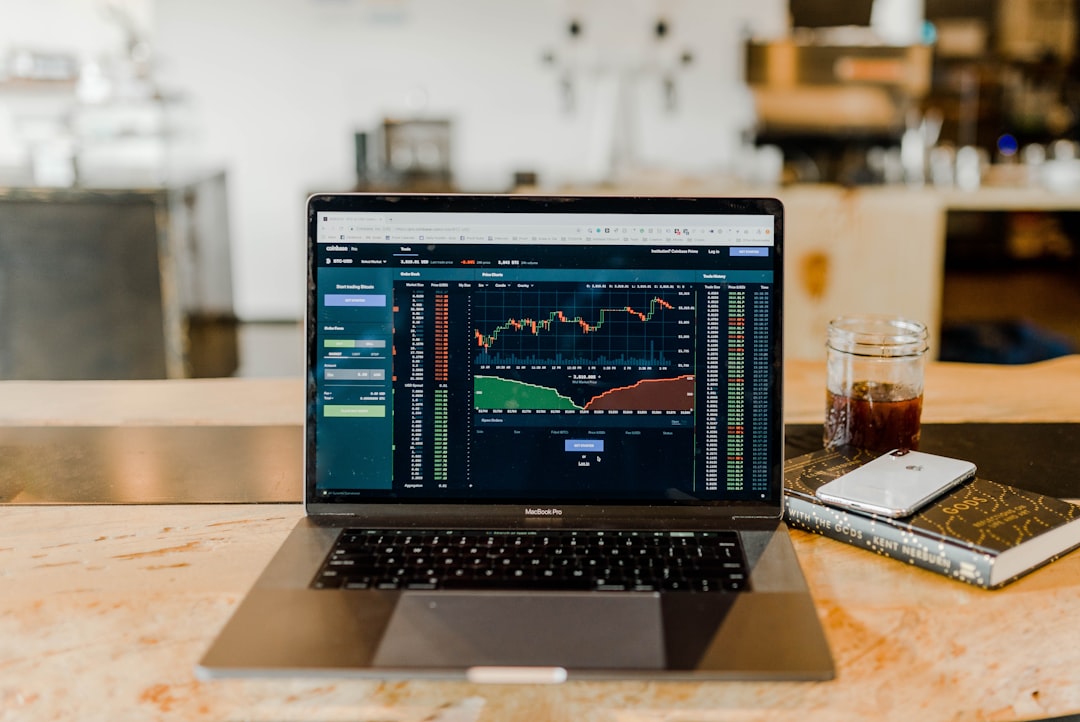
The trading platform is one of the strongest indicators of a broker’s professionalism. If Octopus FX provides access to well-known platforms such as MetaTrader 4, MetaTrader 5, or a reputable web trading terminal, that may improve usability and technical reliability. Traders should still confirm whether the platform is directly connected to the broker’s real trading servers and whether pricing matches market conditions.
Key platform features to test include:
- Charting quality: Are indicators, timeframes, and drawing tools sufficient for your trading style?
- Mobile performance: Does the mobile app allow stable order placement and account monitoring?
- Order controls: Can you easily modify stop loss and take profit levels?
- Transparency: Are spreads, swaps, margin requirements, and trade history clearly visible?
Before depositing a meaningful amount, use a demo account if available. If no demo account is offered, or if the broker pressures users to deposit immediately, that is a reason to slow down and investigate further.
Fees, Spreads, and Possible Hidden Costs
Trading fees can reduce profitability even when a strategy is technically sound. With Octopus FX, traders should identify the full cost structure before placing live trades. The main fees to examine are:
- Spreads: The difference between bid and ask prices. Lower spreads generally benefit frequent traders.
- Commissions: Some accounts charge a fixed commission per lot in exchange for tighter spreads.
- Swap fees: Overnight financing costs can be significant for swing traders and long-term CFD positions.
- Deposit and withdrawal fees: These may vary depending on payment method, currency, and account type.
- Inactivity fees: Some brokers charge accounts that remain unused for several months.
For example, a scalper making 100 trades per month on EUR/USD would be affected heavily by spread differences. A broker charging 1.8 pips instead of 0.8 pips creates an extra 1.0 pip cost per trade. On standard lot sizing, that difference may equal approximately $10 per trade, or around $1,000 over 100 trades.
Deposits and Withdrawals
Withdrawal reliability is one of the most important parts of any broker review. A platform can have attractive charts and smooth onboarding, but if withdrawals are delayed, restricted, or subject to unexpected conditions, the trading experience becomes risky.
Before using Octopus FX, check:
- whether withdrawal terms are published clearly;
- how long withdrawals normally take;
- whether identity verification is required before withdrawing;
- if bonus terms can block withdrawals;
- whether users report repeated delays or account freezes.
A practical approach is to make a small initial deposit, place minimal trades, and request a small withdrawal. This does not guarantee future reliability, but it can reveal basic operational standards before you risk a larger balance.
Regulation and Safety Concerns
Regulation should be a central part of your Octopus FX assessment. Reliable brokers are usually supervised by recognized authorities such as the FCA in the United Kingdom, ASIC in Australia, CySEC in Cyprus, or other reputable financial regulators. Regulation does not remove all risk, but it can improve standards around fund segregation, dispute handling, reporting, and marketing conduct.
If Octopus FX claims to be regulated, verify the license on the regulator’s official website. Do not rely only on screenshots, website badges, or support chat statements. Also confirm that the licensed entity matches the trading website and that the broker is authorized to serve clients in your country.
Warning signs include guaranteed profit claims, aggressive account managers, pressure to deposit more, refusal to process withdrawals, unclear company ownership, and unverifiable licensing information.
Who Might Consider Octopus FX?
Octopus FX may be considered by traders who are researching multiple brokers and want to compare market access, account types, and platform features. However, it is better suited only for users who are willing to conduct due diligence and start with limited exposure.
It is not ideal for beginners who may be influenced by sales calls, high leverage, or bonus offers. New traders should prioritize brokers with strong regulation, extensive educational materials, transparent pricing, and responsive customer support.
Platform Alternatives to Compare
Before choosing Octopus FX, compare it with established alternatives. Depending on your region, these may include regulated forex and CFD brokers offering MetaTrader, cTrader, or proprietary platforms. When comparing alternatives, focus on measurable factors rather than brand claims.
- For beginners: Look for low minimum deposits, strong education, and clear risk warnings.
- For active forex traders: Compare average spreads, execution quality, and commission structures.
- For long-term investors: Consider regulated stockbrokers or multi-asset platforms instead of leveraged CFD brokers.
- For algorithmic traders: Check VPS support, API availability, platform stability, and historical data quality.
Final Verdict
Octopus FX should be reviewed with caution and discipline. Its trading features may appear attractive if it offers multiple assets, leverage, and a familiar trading platform, but these benefits are secondary to regulation, fee transparency, and withdrawal reliability.
Before opening an account, verify the broker’s legal status, read all fee documents, test customer support, and search for consistent user feedback. If any important information is unclear, choose a better-documented regulated alternative. In online trading, protecting capital is more important than chasing convenience or promotional offers.