
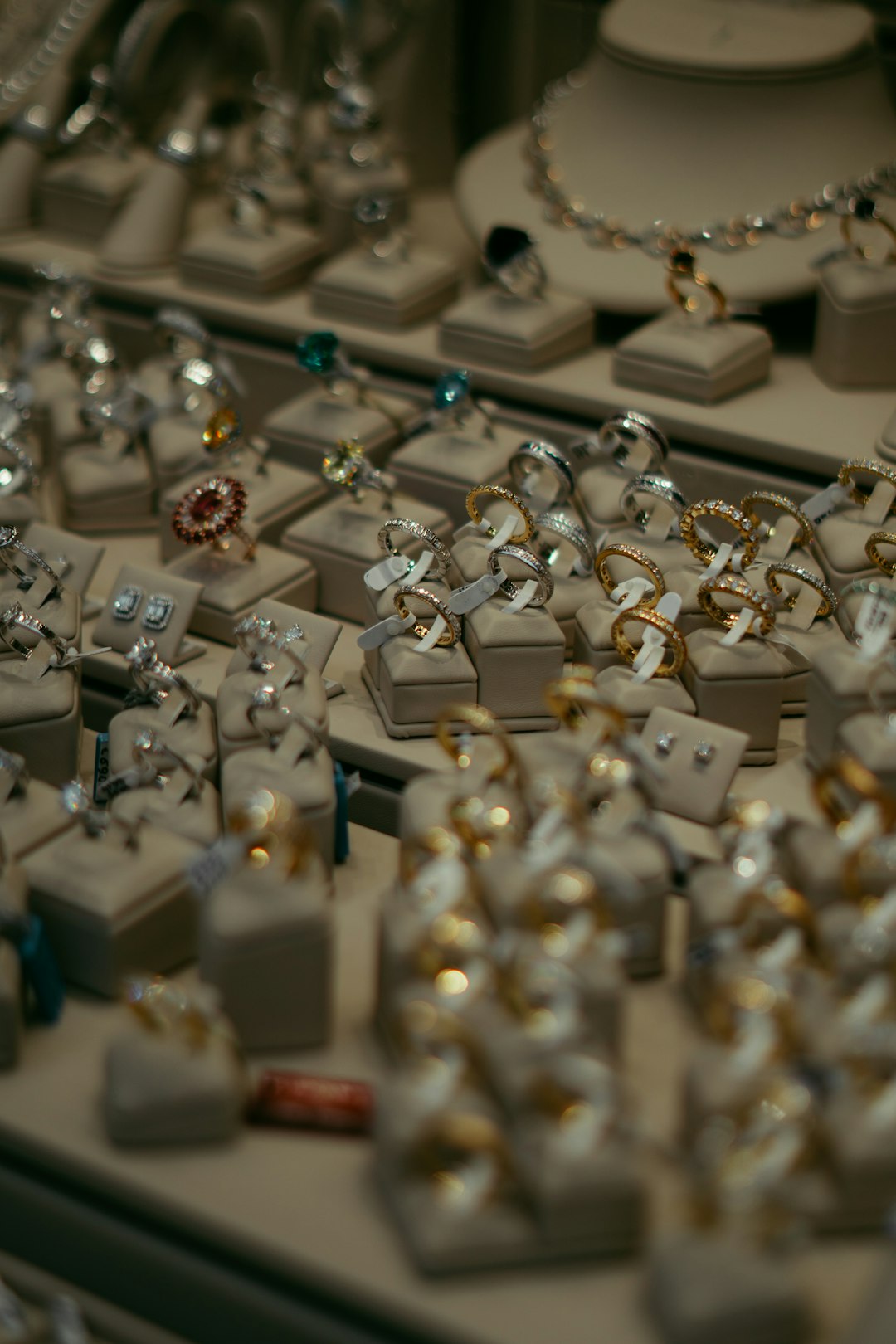

Jewelry is often purchased for meaningful moments, from engagements and anniversaries to birthdays, graduations, and personal milestones. Because of that emotional value, jewelry store advertising must do more than announce products; it must build trust, create desire, and make customers feel confident about visiting the store or buying online.
TLDR: Successful jewelry store advertising combines strong visuals, emotional storytelling, local visibility, and consistent digital marketing. A jewelry store can attract more customers by improving its online presence, promoting seasonal campaigns, using social media effectively, and offering trust-building content. The best results come from blending traditional advertising with targeted digital strategies that highlight quality, service, and memorable experiences.
Understanding the Jewelry Customer
Before creating any advertising campaign, a jewelry store should understand the audience it wants to reach. Some customers are looking for luxury engagement rings, while others may want affordable gifts, custom designs, repairs, or everyday accessories. Each group responds to different messages, price points, and advertising channels.
A successful jewelry business usually segments its customers into categories such as:
- Bridal shoppers searching for engagement rings and wedding bands
- Gift buyers shopping for birthdays, holidays, or anniversaries
- Luxury buyers interested in premium diamonds, gemstones, and designer pieces
- Fashion customers looking for trendy, wearable jewelry
- Repair and service clients needing resizing, cleaning, restoration, or appraisals
When advertising speaks directly to these needs, it becomes more persuasive. Instead of simply saying that a store sells jewelry, the message can focus on celebrating love, preserving memories, or finding the perfect gift.
Building a Strong Local Presence
Local advertising remains essential for jewelry stores, especially those with physical locations. Customers often prefer to see valuable pieces in person, compare options, and speak with a trusted expert before making a purchase.
A jewelry store should maintain an updated local business profile on search engines, including accurate hours, contact details, photos, reviews, and directions. Positive customer reviews are especially powerful because jewelry purchases require confidence. A store can encourage satisfied customers to leave reviews after engagements, repairs, or special purchases.
Local visibility can also be improved through:
- Community sponsorships and charity events
- Partnerships with wedding planners, photographers, florists, and bridal boutiques
- Print ads in local lifestyle magazines
- Billboards or transit ads near shopping districts
- Invitations to private in-store events
Using Social Media to Showcase Beauty and Emotion
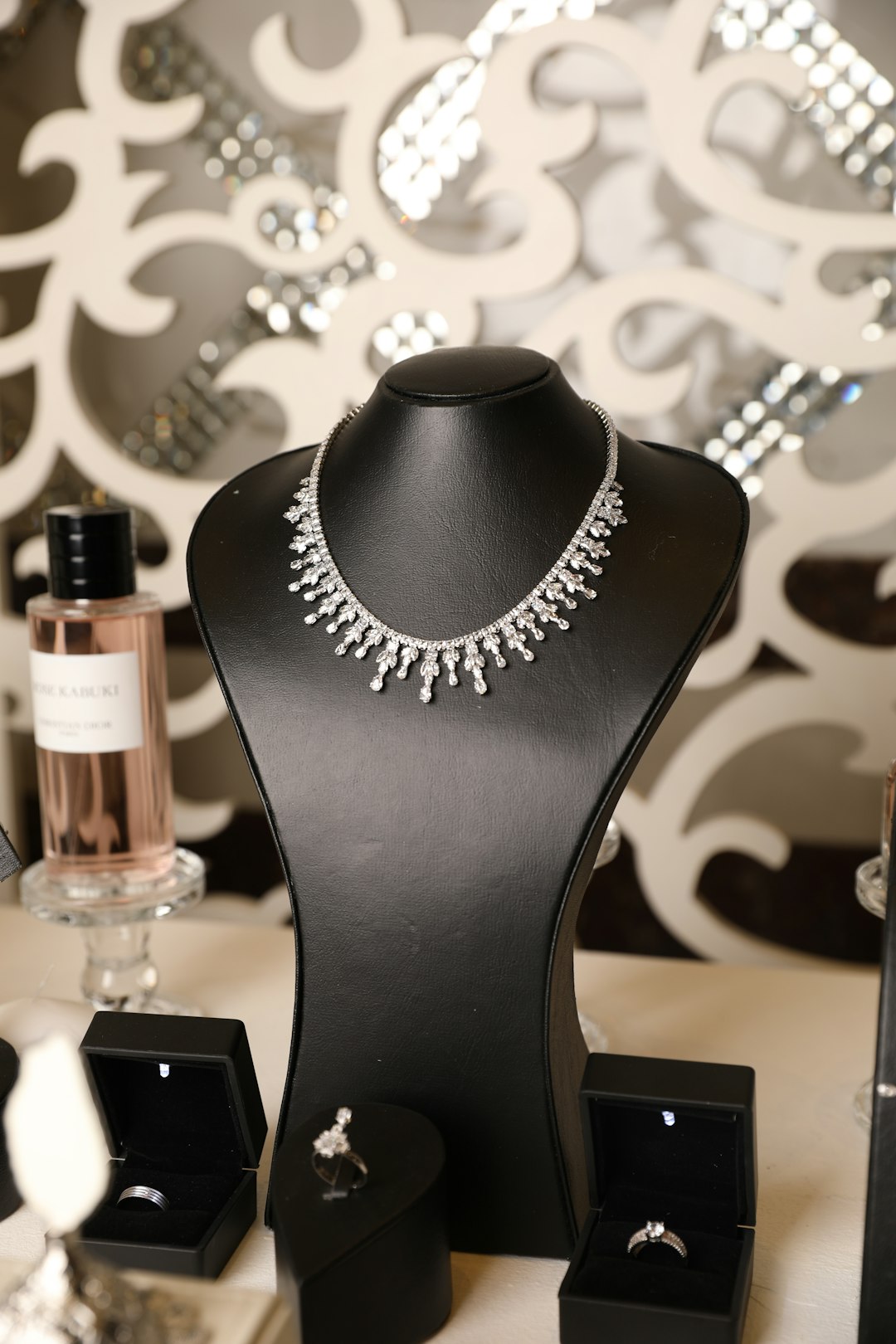
Jewelry is highly visual, making social media one of the most effective advertising tools. Platforms focused on images and short videos allow stores to show sparkle, craftsmanship, styling ideas, and behind-the-scenes details.
A jewelry store can post content that includes:
- Close-up product videos showing diamonds, gemstones, and metal details
- Customer stories featuring proposals, anniversaries, or special gifts
- Styling tips for layering necklaces, stacking rings, or matching earrings
- Before-and-after repair photos to demonstrate expertise
- Behind-the-scenes content showing custom design, engraving, or cleaning
Paid social ads can be targeted by location, age, relationship status, interests, and shopping behavior. For example, engagement ring ads may be shown to people in a specific area who have recently engaged with wedding-related content. This level of targeting helps reduce wasted advertising spend and places the store in front of likely buyers.
Creating Seasonal and Occasion-Based Campaigns
Jewelry sales often rise around important holidays and life events. A store that plans campaigns early can compete more effectively and avoid last-minute promotions that feel generic.
Strong advertising opportunities include:
- Valentine’s Day gift guides
- Mother’s Day jewelry collections
- Graduation gifts
- Holiday engagement ring campaigns
- Anniversary and birthday promotions
- Wedding season bundles
Each campaign should include a clear message, beautiful visuals, and a simple call to action. Examples include “Book a ring consultation,” “Explore gifts under $500,” or “Visit the store for complimentary gift wrapping.” These campaigns work best when they appear across multiple channels, including email, social media, search ads, window displays, and the store’s website.
Investing in Search Advertising and SEO
Many customers begin their jewelry search online. They may type phrases such as “engagement rings near me,” “custom jewelry designer,” or “jewelry repair in town.” A jewelry store that appears prominently in these searches has a major advantage.
Search engine advertising can bring immediate traffic by placing the store above organic results. These ads are useful for high-intent searches, especially for engagement rings, custom designs, and repair services. Meanwhile, search engine optimization supports long-term growth by helping the website rank naturally for important keywords.
Helpful website content can include:
- Guides to diamond cuts, clarity, color, and carat weight
- Articles about choosing engagement rings
- Pages for custom jewelry services
- Information about repairs, appraisals, and cleaning
- Gift guides organized by occasion and budget
When informative content answers customer questions, it positions the store as an expert. This trust can lead to more appointments, phone calls, and in-store visits.

Using Email Marketing to Encourage Repeat Business
Email marketing is valuable because jewelry customers may return for future milestones. A person who buys an engagement ring may later need wedding bands, anniversary gifts, cleaning services, or custom pieces.
A jewelry store can build an email list through website signups, in-store purchases, giveaways, and appointment forms. Emails should not only promote sales; they should also provide value. Useful email ideas include care tips, new collection announcements, birthday offers, private event invitations, and seasonal gift guides.
Personalization can improve results. For example, customers who purchased bridal jewelry may receive wedding band recommendations, while customers who bought gemstone earrings may receive content about matching necklaces or upcoming gemstone collections.
Promoting Trust, Quality, and Expertise
Trust is one of the most important factors in jewelry advertising. Customers want reassurance that stones are authentic, pricing is fair, and craftsmanship is reliable. Advertising should highlight qualifications, warranties, certifications, return policies, and years of experience.
Strong trust signals include:
- Customer testimonials and reviews
- Professional certifications
- Transparent product descriptions
- Clear warranty and service policies
- Photos of real staff members and jewelers
- Educational content about materials and quality
Instead of relying only on discounts, a store can advertise value through expertise, personalized service, and long-term care. This approach helps attract customers who appreciate quality rather than only the lowest price.
Hosting Events and In-Store Experiences
Events can turn advertising into a memorable experience. A jewelry store may host engagement ring preview nights, gemstone education sessions, cleaning clinics, trunk shows, or VIP shopping evenings. These events give customers a reason to visit and create opportunities for personal conversations.
Event advertising should create a sense of exclusivity while remaining welcoming. Limited appointment slots, complimentary consultations, refreshments, or small gifts can encourage attendance. After the event, follow-up emails or calls can help convert interested visitors into buyers.
Measuring Advertising Performance
No advertising strategy is complete without measurement. A jewelry store should track which campaigns generate phone calls, website visits, appointments, in-store traffic, and sales. Digital tools can show which ads receive clicks, while customer surveys can reveal how buyers discovered the store.
Important metrics include:
- Website traffic and appointment requests
- Social media engagement and direct messages
- Email open rates and click rates
- Cost per lead from paid ads
- Sales connected to specific campaigns
By reviewing results regularly, the store can increase spending on successful campaigns and improve or remove weaker ones. Over time, this creates more efficient advertising and stronger customer growth.
FAQ
- What is the best advertising strategy for a jewelry store?
- The best strategy usually combines local search visibility, social media marketing, paid ads, email campaigns, and trust-building content. A balanced approach reaches customers at different stages of the buying journey.
- How can a jewelry store attract more local customers?
- A store can attract local customers by optimizing its local business profile, collecting reviews, running location-based ads, partnering with nearby wedding vendors, and hosting in-store events.
- Is social media important for jewelry advertising?
- Yes. Jewelry is visual and emotional, so social media is ideal for showing products, sharing customer stories, promoting seasonal offers, and building brand recognition.
- Should jewelry stores use discounts in advertising?
- Discounts can work during seasonal promotions, but they should not be the only message. Many customers also value quality, trust, expert guidance, customization, and after-sale service.
- How often should a jewelry store advertise?
- Advertising should be consistent throughout the year, with stronger campaigns around major holidays, wedding season, and gift-giving occasions. Consistency helps keep the store visible when customers are ready to buy.