
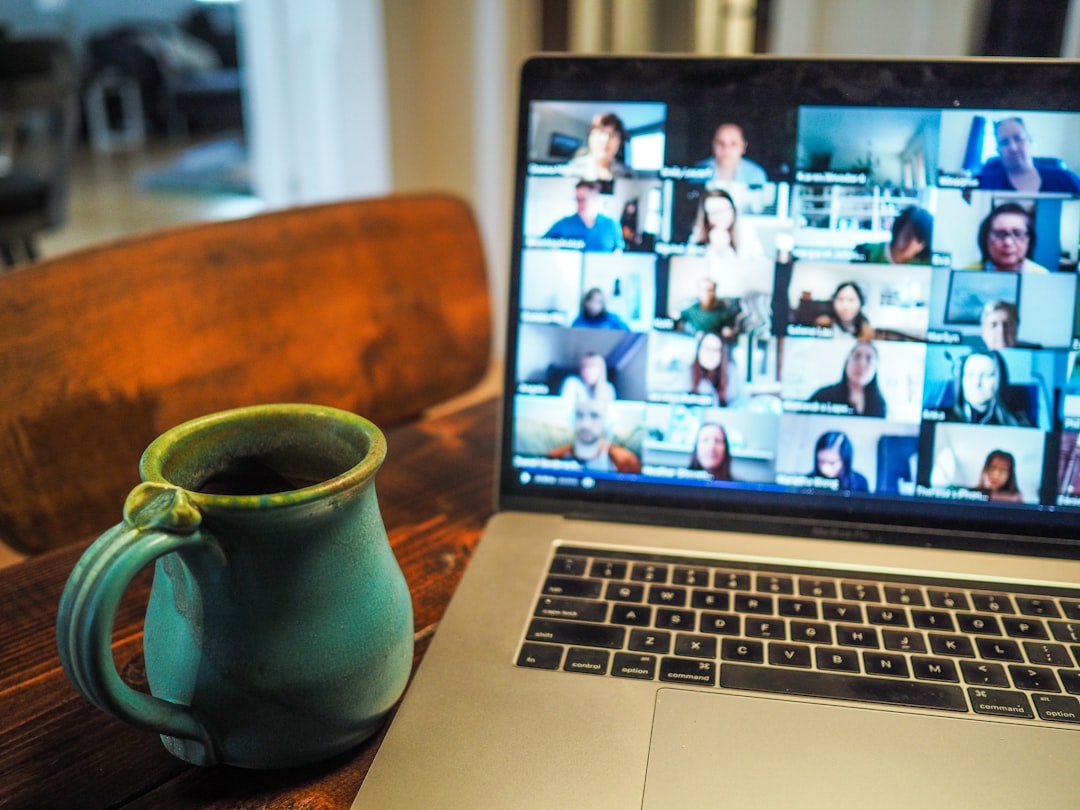

The term IP2 Community is often used to describe a loose, internet-based audience and network of spaces centered on IRL livestreaming, online personalities, clips, commentary, and community discussion. It is not a single company or formal organization in the traditional sense. Instead, it is better understood as an ecosystem of viewers, streamers, forums, chats, archives, and social media activity that has developed around a particular style of live online entertainment.
TLDR: The IP2 Community is an informal online community built around IRL livestreamers, viewer discussion, and shared clips. It works through livestream platforms, community forums, chatrooms, and third-party aggregation sites that help audiences follow streamers in real time. For example, a streamer with 1,500 live viewers can quickly become the subject of dozens of clips, comments, and location-based observations within minutes, which creates both engagement and privacy risk. Users should understand that public livestreaming can expose names, locations, routines, and bystanders more easily than ordinary social media posts.
What Is the IP2 Community?
The IP2 Community is commonly associated with IRL streaming, a format where creators broadcast their daily lives, travel, events, conversations, and public interactions in real time. Unlike traditional edited video content, IRL livestreaming is immediate and unpredictable. Viewers watch events as they happen, often participating through live chat, donations, alerts, or comments that influence the streamer’s decisions.
In practical terms, IP2 is not one website alone. It can refer to a broader community culture involving streamers, fans, critics, clip makers, moderators, and discussion boards. Some participants follow specific personalities, while others are interested in the drama, humor, travel, social experiments, or real-time nature of the content.
Because the community is decentralized, experiences can vary widely. Some spaces may focus on entertainment and commentary, while others may become more aggressive, intrusive, or controversial. This is why understanding the privacy and safety implications is essential.
How the IP2 Community Works
The IP2 Community generally operates through several connected layers. Each layer plays a role in how content spreads and how viewers interact with streamers and one another.
- Livestream platforms: Streamers broadcast on platforms that support real-time video, chat, memberships, and donations.
- Community forums and discussion boards: Viewers discuss streamers, events, clips, behavior, schedules, and controversies.
- Clip sharing: Short moments from livestreams are recorded, reposted, and circulated to make content easier to watch and discuss.
- Aggregators: Some sites or tools collect live links, streamer statuses, clips, or community updates in one place.
- Social media amplification: Content often spreads to platforms such as X, Reddit-style forums, video sites, and messaging groups.
This structure allows information to move quickly. A moment that happens on stream can be clipped within seconds, discussed in minutes, and archived indefinitely. That speed is a major reason the community can feel highly active, but it is also why mistakes, private information, and sensitive encounters can become difficult to contain.
Why People Participate
People are drawn to IP2-style communities for several reasons. Some enjoy the spontaneity of IRL content. Others follow specific creators because of their personality, humor, travel, or interactions with the public. Viewers may also feel a sense of involvement because live chat can influence what happens next.
There is also a strong community observation element. Viewers discuss patterns, predict outcomes, analyze conflicts, and compare streamers. In some cases, the audience behaves almost like a real-time newsroom, documenting what happened and when.
However, that same intensity can become unhealthy if it turns into harassment, doxxing, stalking, or obsessive tracking. A trustworthy understanding of the IP2 Community must recognize both sides: it can be entertaining and participatory, but it can also create real risks for individuals on and off camera.

Privacy Considerations for Streamers
For streamers, the greatest privacy risk is the exposure of personal information during live broadcasts. Unlike edited videos, livestreams leave little time to blur, remove, or reconsider what appears on screen.
- Location leaks: Street signs, landmarks, storefronts, hotel rooms, transit stations, and background conversations may reveal where a streamer is.
- Routine tracking: Broadcasting at the same places or times can allow viewers to predict future movements.
- Personal documents: IDs, mail, payment cards, tickets, receipts, or booking confirmations can accidentally appear on camera.
- Device notifications: Pop-ups, messages, usernames, and emails can reveal private contacts or accounts.
- Bystander privacy: People nearby may be recorded without understanding the audience size or permanence of the content.
Streamers should treat every broadcast as a public record. Even if a platform allows deletion, viewers may have already clipped or archived the footage. A responsible streamer should use delays where possible, avoid showing sensitive documents, disable unnecessary notifications, and develop a plan for ending a stream quickly if private information is exposed.
Privacy Considerations for Viewers
Viewers also face privacy issues, although these are sometimes overlooked. Chat messages, usernames, donations, and public comments can build a long-term profile. If a viewer uses the same username across multiple platforms, their activity may be connected across communities.
Payments and donations deserve special caution. Depending on the platform or payment processor, a real name, email address, or transaction detail may be visible to the creator or service provider. Viewers should review privacy settings before sending money or participating in public chat.
It is also important to remember that participating in harassment, threats, or invasive tracking can have consequences. Online anonymity is never guaranteed. Platforms, payment processors, and law enforcement may be able to identify users in serious cases.
Moderation and Community Standards
Because IP2-related spaces are often decentralized, moderation standards differ. Some communities enforce rules against doxxing, threats, explicit harassment, or illegal content. Others may be more permissive, which can increase the risk of harmful behavior.
Healthy moderation is not only about removing offensive language. It is about setting boundaries that protect individuals from real-world harm. This includes discouraging location tracking, removing private personal information, limiting targeted harassment, and protecting uninvolved bystanders.
Best Practices for Safer Participation
Anyone engaging with the IP2 Community should follow practical safety principles. These are especially important because livestreaming combines entertainment, public exposure, and real-time audience interaction.
- Do not share private information about streamers, viewers, family members, or bystanders.
- Avoid real-time location posting if it could put someone at risk.
- Use separate usernames for communities where you do not want your identity connected.
- Review donation privacy before sending money or messages.
- Respect consent when recording, clipping, or reposting content involving private individuals.
- Report serious abuse such as threats, stalking, or doxxing to platform moderators.
Final Thoughts
The IP2 Community is best understood as a dynamic and sometimes controversial livestreaming ecosystem. It combines real-time entertainment, audience participation, commentary, and internet culture. For many users, that immediacy is the main appeal.
At the same time, the same features that make the community engaging also create privacy risks. Livestreams can reveal sensitive details, clips can spread rapidly, and public discussion can cross personal boundaries. A serious approach to IP2 requires recognizing both its entertainment value and its potential for harm. Streamers, viewers, and moderators all share responsibility for making participation safer, more respectful, and more privacy-conscious.