
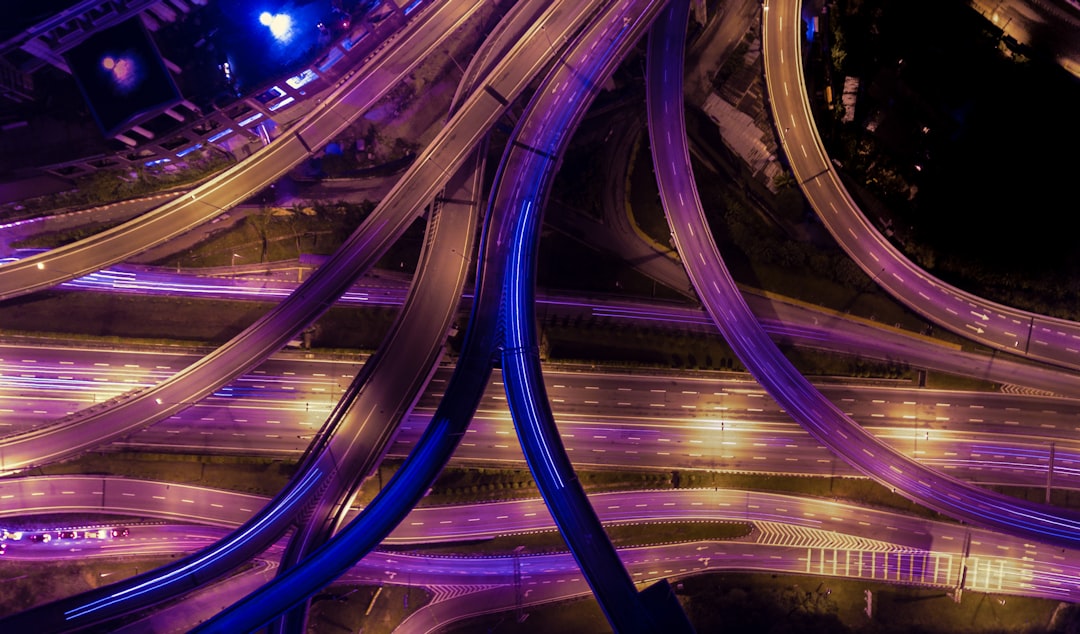

Highways and rural roads are essential links between communities, industries, emergency services, and regional economies. As traffic volumes increase and transportation networks expand into remote areas, public agencies and infrastructure planners are rethinking how roads can be made safer, more efficient, and easier to maintain. One of the most practical improvements is the use of solar lighting systems with remote monitoring, which can illuminate critical road sections without depending entirely on traditional electrical grids.
TLDR: Solar lighting systems help improve highway and rural road safety by providing reliable illumination in areas where grid power is limited, expensive, or unavailable. When combined with remote monitoring, these systems allow operators to track performance, detect faults, and plan maintenance more efficiently. The result is a smarter, more sustainable road lighting solution that can reduce accidents, lower energy costs, and support safer travel in isolated locations.
Why Road Lighting Matters
Road lighting plays a major role in driver visibility, pedestrian safety, and overall traffic confidence. On highways, proper lighting helps motorists recognize lane markings, curves, ramps, junctions, obstacles, and signage more quickly. In rural or isolated areas, it can also reduce the risks associated with wildlife crossings, stalled vehicles, and unexpected road conditions.
Traditional street lighting has often depended on long cable runs, transformers, grid connections, and ongoing utility costs. In remote locations, these requirements can make lighting projects expensive and slow to deploy. Solar lighting provides an alternative by generating power locally during the day and using stored energy at night. This makes it especially useful for roads where grid access is difficult, unreliable, or financially impractical.

How Solar Highway Lighting Systems Work
A solar road lighting system usually includes several core components. Each light pole works as a small independent power station, capturing sunlight, storing energy, and powering efficient lighting fixtures after sunset. Modern systems are often designed to operate automatically, adjusting to daylight conditions and traffic patterns.
- Solar panels: These collect sunlight and convert it into electrical energy during the day.
- Battery storage: Batteries store generated power so the lights can operate at night or during cloudy periods.
- LED luminaires: High-efficiency LED fixtures provide strong illumination while consuming less power than older lighting technologies.
- Charge controllers: These regulate the flow of electricity between the panel, battery, and light fixture.
- Smart control units: These manage operating schedules, dimming levels, diagnostics, and remote communication.
Because each unit can operate independently, solar highway lighting can be installed section by section. This modular design helps transportation departments prioritize dangerous intersections, bridges, curves, rest areas, toll points, pedestrian crossings, and construction zones before expanding to longer road corridors.
The Importance of Remote Monitoring
Solar lighting alone improves access to illumination, but remote monitoring significantly improves reliability and long-term management. A remotely monitored system can transmit real-time or scheduled data to a central platform, giving maintenance teams visibility into system health without requiring constant site visits.
For highways and remote roads, this capability is especially valuable. Maintenance crews may need to travel long distances to inspect a single pole or battery cabinet. Remote monitoring reduces unnecessary trips by showing whether the system is operating normally, whether a battery is losing capacity, or whether a luminaire has failed.
Monitored data may include:
- Battery charge level and battery health
- Solar panel energy production
- Light output and operating hours
- Controller status and fault alerts
- Temperature and weather-related performance trends
- Communication status for each lighting unit
With this information, agencies can shift from reactive maintenance to predictive maintenance. Instead of waiting for a driver complaint or nighttime inspection to reveal a failure, technicians can identify problems early and respond before road safety is affected.
Improving Safety on Highways
Safety is one of the strongest arguments for solar lighting on highways. Poor visibility contributes to many nighttime crashes, especially in areas where drivers must make quick decisions. Lighting can improve reaction time by making hazards visible earlier and reducing visual uncertainty.
Solar lighting systems are particularly useful in high-risk highway zones, such as:
- Interchanges and ramps: Drivers need clear visibility when merging, exiting, or changing lanes.
- Curves and grades: Lighting can help reveal road geometry and reduce surprise hazards.
- Bridges and tunnels: Transitional lighting supports safer driving in visually complex areas.
- Pedestrian and cyclist crossings: Better visibility protects vulnerable road users.
- Accident-prone sections: Targeted lighting can help reduce repeat collisions.
- Work zones: Portable or permanent solar lights improve safety for both workers and motorists.
Remote monitoring reinforces these safety benefits by ensuring that lights remain operational. If a unit malfunctions in a critical location, the system can generate an alert, allowing maintenance personnel to address it quickly.
Benefits for Remote and Rural Roads
Remote roads often face unique challenges. They may run through forests, deserts, agricultural regions, mountains, or coastal areas where utility infrastructure is limited. Installing conventional grid lighting in such environments can require trenching, permitting, cabling, and ongoing energy payments. Solar lighting avoids many of these barriers.
For rural communities, solar lighting can improve access to schools, medical facilities, marketplaces, transport stops, and emergency routes. It can also support tourism by making scenic roads, parking areas, and visitor access points safer after dark.
Image not found in postmetaIn areas with unreliable grids, solar lighting can continue operating during power outages, storms, or emergencies. This resilience is important for evacuation corridors, disaster response routes, and roads serving isolated settlements. When each light has its own energy source, a failure in one section does not necessarily disable the entire lighting network.
Energy Efficiency and Environmental Value
Solar highway lighting supports sustainability goals by reducing reliance on fossil-fuel-generated electricity. Since LEDs require less energy, solar panels and batteries can be sized efficiently while still delivering dependable nighttime lighting. Over the life of the system, this can reduce carbon emissions and lower operational costs.
Environmental planning also includes reducing light pollution. Smart solar systems can use dimming schedules, motion sensors, and adaptive controls to provide light only when needed. For example, a road may operate at a reduced brightness during low traffic hours and increase illumination when vehicles are detected. This approach saves energy and reduces unnecessary skyglow.
In sensitive ecological areas, properly designed lighting can help minimize disruption to wildlife. Shielded fixtures, warm color temperatures, and controlled beam angles can direct light onto the roadway while limiting spillover into habitats.
Cost Considerations and Long-Term Savings
The initial cost of solar lighting can be higher than basic grid-tied fixtures, mainly because each system includes a solar panel, battery, controls, and communication equipment. However, the full cost comparison changes when trenching, cabling, utility connection fees, transformer upgrades, and electricity bills are included.
For remote highways, solar lighting may be more economical because it avoids extensive electrical infrastructure. It can also be installed faster, causing less disruption to traffic and surrounding land. Over time, savings may come from:
- Reduced electricity consumption
- Lower grid connection costs
- Fewer manual inspections due to remote monitoring
- Long LED service life
- Targeted maintenance based on real system data
- Improved safety outcomes and fewer accident-related costs
The strongest financial case usually appears when planners evaluate the total cost of ownership rather than only the purchase price. A well-designed system can provide long service life with predictable maintenance needs.
Planning and Design Factors
Successful solar road lighting depends on careful planning. Not every location receives the same sunlight, and road lighting requirements vary depending on traffic speed, road width, lane count, terrain, and safety risks. Engineers must assess both the solar resource and the required illumination level.
Key design factors include:
- Solar exposure: Panels should be positioned where shade from trees, signs, buildings, or terrain is minimized.
- Battery autonomy: Systems should store enough energy to operate during cloudy or rainy periods.
- Pole placement: Spacing must provide consistent light without dark gaps or excessive glare.
- Wind and weather resistance: Equipment should withstand local storms, heat, snow, dust, or corrosion.
- Communication network: Remote monitoring may use cellular, radio, LoRaWAN, satellite, or other communication methods.
- Maintenance access: Crews should be able to reach components safely without disrupting traffic unnecessarily.

Lighting levels should meet applicable road safety standards. Over-lighting wastes energy and may create glare, while under-lighting reduces the safety benefit. The best systems balance visibility, energy performance, and environmental impact.
Remote Monitoring as Part of Smart Infrastructure
Solar lights with monitoring can become part of a broader smart road network. Once poles have power and communication capability, they may support additional devices such as traffic counters, weather sensors, cameras, emergency call stations, or air quality sensors. This creates opportunities for transportation departments to collect useful road data without building a completely separate infrastructure system.
For example, a highway authority may use lighting poles to monitor fog conditions, detect flood risks, or track traffic flow near remote intersections. In emergency situations, operators can check which assets remain functional and prioritize response areas. This turns lighting from a passive utility into an active part of road management.
Challenges and Practical Limitations
Although solar lighting systems offer many advantages, they require realistic planning. Poorly sized batteries, low-quality panels, weak installation practices, or unreliable communications can reduce performance. In regions with long winters or frequent storms, designers may need larger panels and batteries to maintain dependable operation.
Vandalism and theft can also be concerns in isolated areas. Strong mounting hardware, tamper-resistant enclosures, elevated equipment placement, and monitoring alerts can help reduce these risks. Regular cleaning may be necessary in dusty or snowy environments because dirty panels produce less energy.
Another challenge is data management. Remote monitoring generates valuable information, but agencies need procedures for reviewing alerts, scheduling repairs, and tracking performance. A monitoring platform is most useful when it is integrated into normal maintenance workflows.
The Future of Safer, Smarter Roads
As solar technology, battery storage, LED efficiency, and wireless communication continue to improve, solar road lighting is becoming more capable and cost-effective. Highways and remote roads can benefit from lighting systems that are easier to deploy, less dependent on grid expansion, and more responsive to maintenance needs.
The future is likely to include more adaptive lighting, where brightness responds to traffic, weather, and time of night. Remote monitoring will continue to play a central role by helping agencies understand performance in real time. For communities, drivers, and road operators, the outcome is a safer and more resilient transportation network.
Solar lighting systems with remote monitoring do more than illuminate pavement. They help modernize public infrastructure, support sustainability goals, and improve safety in locations that have historically been difficult or expensive to serve. When planned well, they represent a practical step toward smarter roads and more reliable mobility.
FAQ
What is a solar highway lighting system?
A solar highway lighting system is a road lighting solution that uses solar panels, batteries, LED fixtures, and control equipment to provide illumination without relying entirely on the electrical grid.
Why is remote monitoring important for solar road lights?
Remote monitoring allows operators to check battery levels, light performance, faults, and energy production from a central platform. This reduces unnecessary inspections and helps maintenance teams respond faster when problems occur.
Are solar lights reliable for remote highways?
Yes, they can be reliable when properly designed for local sunlight, weather, battery autonomy, and road lighting needs. High-quality components and correct installation are essential for dependable performance.
Do solar road lights work during cloudy weather?
Solar road lights can work during cloudy weather because batteries store energy collected during daylight hours. Systems should be sized with enough storage capacity to handle several low-sunlight days.
Can solar lighting reduce road accidents?
Solar lighting can help reduce risks by improving visibility at night, especially near intersections, curves, pedestrian crossings, ramps, and accident-prone areas. It is most effective when combined with proper road design and maintenance.
Is solar road lighting expensive?
The upfront cost may be higher than simple grid-connected lights, but solar systems can save money by reducing trenching, cabling, utility connections, electricity bills, and manual inspections over time.
Where should solar highway lights be installed first?
They are often most valuable at high-risk or hard-to-wire locations, including rural intersections, bridges, bus stops, rest areas, sharp curves, construction zones, and emergency routes.