

Döziv is the kind of traditional dish that invites curiosity before the first bite. Its name may be unfamiliar to many outside the communities that prepare it, yet its role is deeply recognizable: it is food made for gathering, remembering, welcoming, and marking the rhythm of everyday life. Like many heritage dishes, Döziv is less about strict measurement than about memory, local ingredients, and the hands that have prepared it across generations.
TLDR: Döziv is a traditional dish valued not only for its flavor, but for the cultural rituals and community life surrounding it. Recipes can vary by region and household, often reflecting seasonal ingredients, family customs, and local identity. It is commonly associated with hospitality, shared meals, and the preservation of culinary heritage. Understanding Döziv means looking beyond the plate to the stories, skills, and values it carries.
What Is Döziv?
At its heart, Döziv can be understood as a home centered traditional dish, usually prepared with ingredients that are familiar, nourishing, and locally available. Depending on the household or region, it may include grains, pulses, meat, dairy, herbs, root vegetables, or aromatics. Some versions are hearty and stew like, while others may be thicker, more rustic, and designed to be eaten with bread or served as part of a larger meal.
What makes Döziv especially interesting is that it resists a single fixed definition. In many culinary traditions, the most meaningful dishes are not standardized restaurant items but living recipes. They change according to season, family history, religious observance, economic conditions, and personal taste. One grandmother may insist on a particular herb, while another may say the secret is slow cooking. One family may serve it at celebrations, while another may prepare it as comfort food during cold weather.
A Dish Shaped by Place
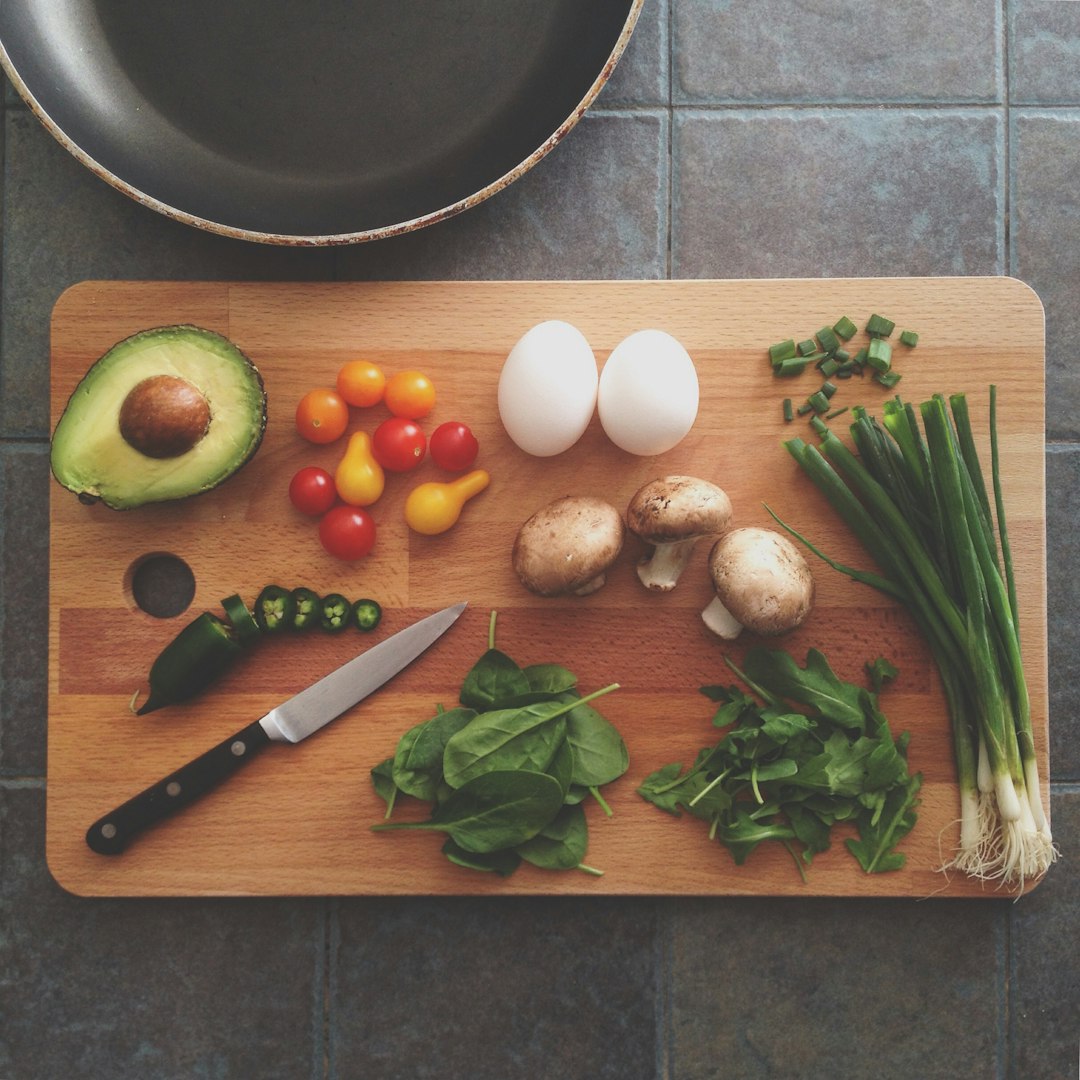
Traditional foods often begin with geography, and Döziv is no exception. The ingredients used in a dish like this usually reflect what the land offers: grains from nearby fields, herbs gathered fresh, vegetables from kitchen gardens, and animal products from local farms. In rural communities, such dishes often developed from the practical need to create something filling, economical, and adaptable.
This connection to place gives Döziv its cultural depth. It is not merely “old food”; it is a map of local life. A bowl of Döziv may reveal whether a region favors wheat or barley, whether dairy is central to the diet, whether herbs are used boldly, and whether meat is reserved for special occasions. Even the cooking vessel can matter. A heavy pot, a clay dish, or a wide communal pan can shape the texture and flavor while also connecting the meal to older cooking practices.
The Importance of Slow Preparation
One of the defining qualities of many traditional dishes is time. Döziv is often associated with patient preparation: soaking, chopping, simmering, stirring, and tasting. This slowness is practical, but it is also symbolic. In a fast paced world, dishes like Döziv remind us that some flavors cannot be rushed.
The process of making Döziv may involve several stages:
- Selecting ingredients: Families often choose what is freshest, most seasonal, or most appropriate for the occasion.
- Preparing the base: Grains, legumes, broth, dairy, or vegetables may form the foundation of the dish.
- Layering flavor: Herbs, onions, spices, clarified butter, or slow cooked meat can add depth.
- Cooking gently: A low flame or steady heat allows flavors to blend and textures to soften.
- Finishing by taste: Salt, sourness, richness, or freshness is adjusted according to family preference.
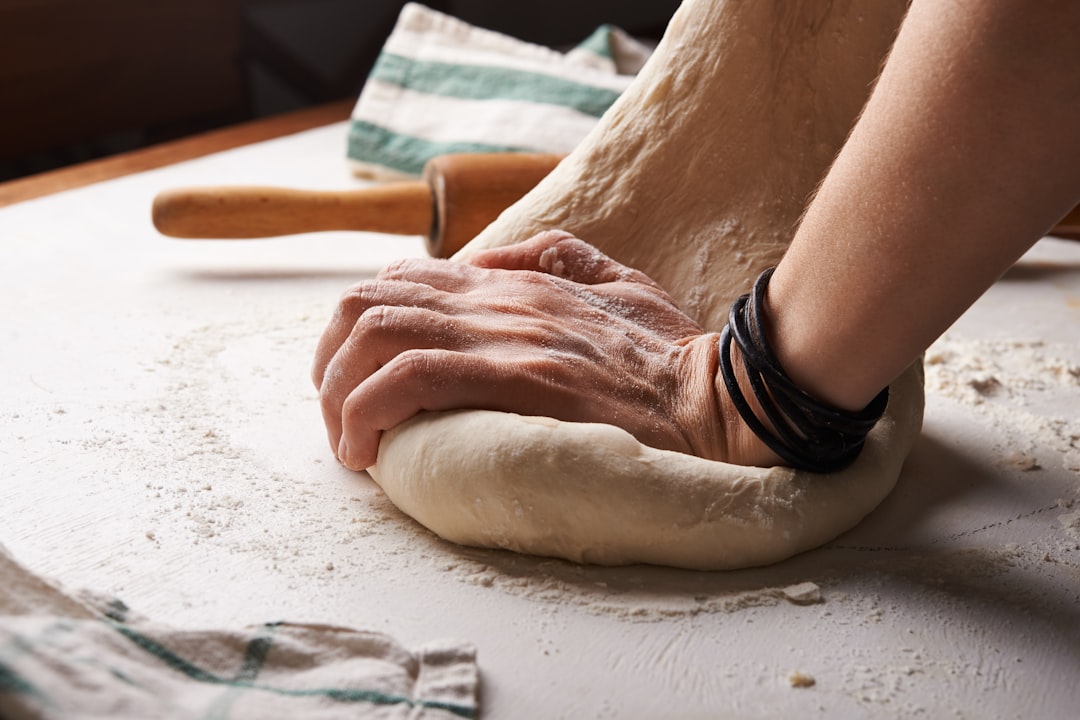
This method teaches patience and attentiveness. It also creates opportunities for learning. Younger family members may not receive a written recipe; instead, they learn by watching when to stir, how thick the dish should become, and what aroma signals that it is nearly ready.
Döziv as a Symbol of Hospitality
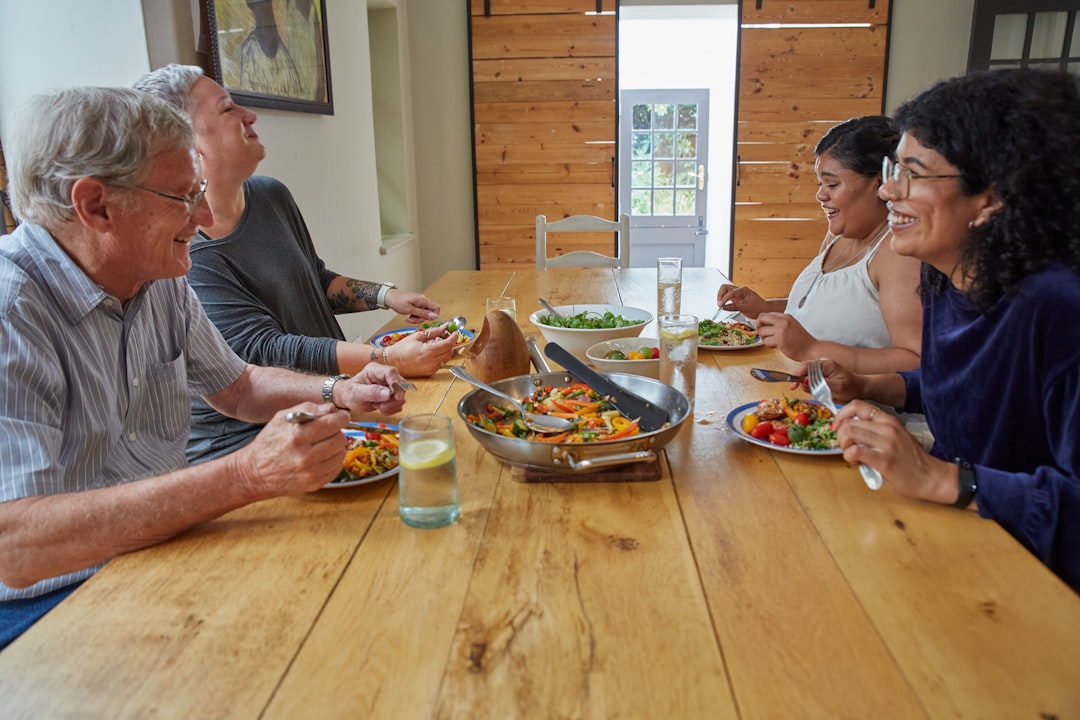
Across many cultures, the act of feeding a guest is one of the highest forms of respect. Döziv fits naturally into this tradition because it is generous food. It can often be prepared in large quantities, served warm, and shared among many people. To offer Döziv is to say, in effect, you are welcome here, and there is a place for you at our table.
Hospitality is not only about abundance. It is also about care. Serving a carefully prepared traditional dish communicates attention and belonging. A guest receiving Döziv may also receive fresh bread, pickles, herbs, yogurt, or tea, depending on local custom. The meal becomes an experience of welcome rather than a simple act of eating.
Family Memory and Oral Tradition
For many families, Döziv carries stories. Someone may remember a parent making it during winter, a wedding feast where it was served in large pots, or a village gathering where neighbors contributed ingredients. These memories become part of the dish’s identity. The recipe is not just a list of steps; it is an archive of family life.
This is why small variations can be emotionally important. A certain herb might be associated with a particular village. A special garnish may recall an ancestor. A thicker or thinner texture may represent “the way our family makes it.” In this sense, Döziv becomes a form of edible inheritance. It allows people to taste continuity, especially when they live far from the places where their families began.
Celebration, Season, and Ritual
Döziv may be part of ordinary meals, but traditional dishes often move easily between the everyday and the ceremonial. In some households, it may be made for guests, holidays, harvest gatherings, weddings, religious observances, or moments of communal work. Its meaning changes with the setting.
During colder months, a nourishing version of Döziv may provide warmth and strength. During festive occasions, richer ingredients may be added to mark abundance. In times of mourning or hardship, the same dish may become a gesture of support, prepared by neighbors and relatives for those who need comfort.
Food rituals are powerful because they make emotions visible. A pot placed on the fire, a bowl carried to an elder, or a portion saved for a late arriving relative can express values that words sometimes cannot. Döziv, like many traditional foods, helps structure these moments with familiarity and care.
Gender, Labor, and Culinary Knowledge
Traditional cooking is often discussed romantically, but it is also important to recognize the labor behind it. Döziv may require time, planning, and skill, and in many communities such knowledge has historically been preserved by women. Mothers, grandmothers, aunts, and daughters have often served as the guardians of household recipes.
However, the story of Döziv should not be reduced to one gender. Men may prepare it for public gatherings, shepherds or farmers may have their own practical versions, and younger cooks of all backgrounds may reinterpret it today. What matters is that culinary knowledge is respected as knowledge. Knowing how to make Döziv well involves memory, sensory judgment, and cultural understanding.
Common Elements That Define Its Character
Because Döziv can vary, it is helpful to think in terms of common qualities rather than a rigid formula. Many traditional versions may emphasize:
- Nourishment: The dish is usually filling and sustaining.
- Seasonality: Ingredients often reflect what is available at a particular time of year.
- Adaptability: Families may adjust the recipe based on resources or preference.
- Communal serving: It is well suited to sharing with family or guests.
- Heritage: The preparation often connects cooks to older generations.
These traits explain why Döziv remains culturally meaningful. It is not simply preserved because it tastes good, although flavor certainly matters. It survives because it fits into social life.
Modern Interpretations of Döziv
As people migrate, urbanize, and adopt new lifestyles, traditional dishes inevitably change. Döziv may now be prepared in modern kitchens, cooked in pressure cookers, adapted for vegetarian diets, or plated in contemporary restaurants. Some cooks may reduce cooking time, use fewer fats, or substitute ingredients that are easier to find in global supermarkets.
These changes can create debate. Some people worry that adaptation weakens authenticity. Others argue that flexibility is exactly what has allowed Döziv to survive. After all, traditional food has never been frozen in time. Every generation adjusts recipes according to circumstance. The key question is whether the dish’s spirit remains intact: its emphasis on sharing, nourishment, memory, and respect for ingredients.
Why Döziv Matters Today
In a world where many meals are designed for speed and convenience, Döziv represents something different. It asks people to slow down, cook with intention, and gather around food that carries meaning. It also offers a way to preserve cultural identity without needing a museum or textbook. A recipe can be a living classroom.
For younger generations, learning to make Döziv may become a way of reconnecting with language, family history, and ancestral places. For outsiders, tasting or studying the dish can open a respectful window into a community’s values. It teaches that cuisine is not only about ingredients but about relationships: between people and land, elders and children, hosts and guests, past and present.
Preserving the Tradition
The future of Döziv depends on both practice and documentation. Families can preserve it by cooking it together, recording variations, asking elders about their methods, and sharing the stories behind the dish. Cultural organizations, food writers, and local cooks can also help by treating such dishes with seriousness and respect.
Simple acts can make a difference:
- Write down family recipes while still honoring the flexible nature of traditional cooking.
- Record oral histories from elders who know the dish’s social and seasonal meanings.
- Cook communally so that skills are passed on through observation and practice.
- Support local ingredients that give the dish its regional character.
- Share the dish respectfully, explaining its background rather than presenting it as a novelty.
A Bowl Full of Meaning
Döziv shows how a traditional dish can hold far more than flavor. It can carry geography, memory, hospitality, labor, adaptation, and identity. Its cultural significance lies in the way it brings people together and reminds them where they come from.
To explore Döziv is to recognize that food is one of humanity’s most intimate forms of history. A bowl served at the table may seem simple, but within it are generations of practical wisdom and emotional connection. Whether prepared in a village home, an urban apartment, or a modern restaurant, Döziv remains a meaningful expression of tradition: warm, adaptable, and deeply human.