
Choose Todoist if you want a clean task manager built around focus, and choose TickTick if you want tasks, calendar, habits, and a Pomodoro timer in one place. For most people managing daily tasks, the best choice depends less on features and more on how quickly you can capture, sort, and finish work without fuss.
TLDR: Todoist is better for users who want simple lists, strong natural language input, and low friction planning. TickTick is better if you want an all-in-one daily system with calendar blocking, habits, and timers. For example, a freelance marketer with 25 daily tasks may save 10 to 15 minutes each morning in TickTick by planning tasks directly on a calendar, while a manager processing 40 quick reminders may move faster in Todoist because adding tasks feels cleaner and more predictable.
Start with the rule, not the app
A to-do app will not fix a messy workday by itself. The rule matters first: capture everything, sort once or twice daily, and keep today’s list short. If your daily list has 38 items, the app is not the real issue. You are trying to use guilt as a planning method. That rarely works.
A practical daily system should have three layers:
- Inbox: a quick place to dump tasks before you forget them.
- Today list: the few items you genuinely plan to finish.
- Review view: a weekly check of deadlines, projects, and missed work.
Todoist and TickTick can both handle this. They just feel different while doing it.

Todoist: best for clean task capture and serious lists
Todoist is built around speed and clarity. You type a task such as “Send invoice Friday 9am #Admin p1”, and Todoist understands the date, project, and priority. This is where it shines. Adding tasks feels smooth, especially on desktop.
The interface is restrained. That is a strength. You see your inbox, today’s tasks, upcoming work, filters, labels, and projects. There is not much visual clutter. If you work in a busy role, this matters. A crowded app can become another source of friction.
Best Todoist uses:
- Capturing quick tasks during meetings.
- Managing work across several projects.
- Using labels such as Calls, Deep Work, or Errands.
- Reviewing deadlines in a clean upcoming view.
- Sharing simple project lists with a team or assistant.
The catch is that Todoist can feel too plain if you want your calendar, routines, timer, and task list in one tight setup. Calendar integration exists, but it may not feel as direct as dragging tasks into time blocks inside the same app. If you live by time blocking, you may feel a little boxed in.
TickTick: best for all-in-one daily planning
TickTick tries to cover more of your day. It includes task lists, calendar views, recurring tasks, habits, notes, reminders, and a Pomodoro timer. This makes it attractive for people who do not want five separate productivity tools.
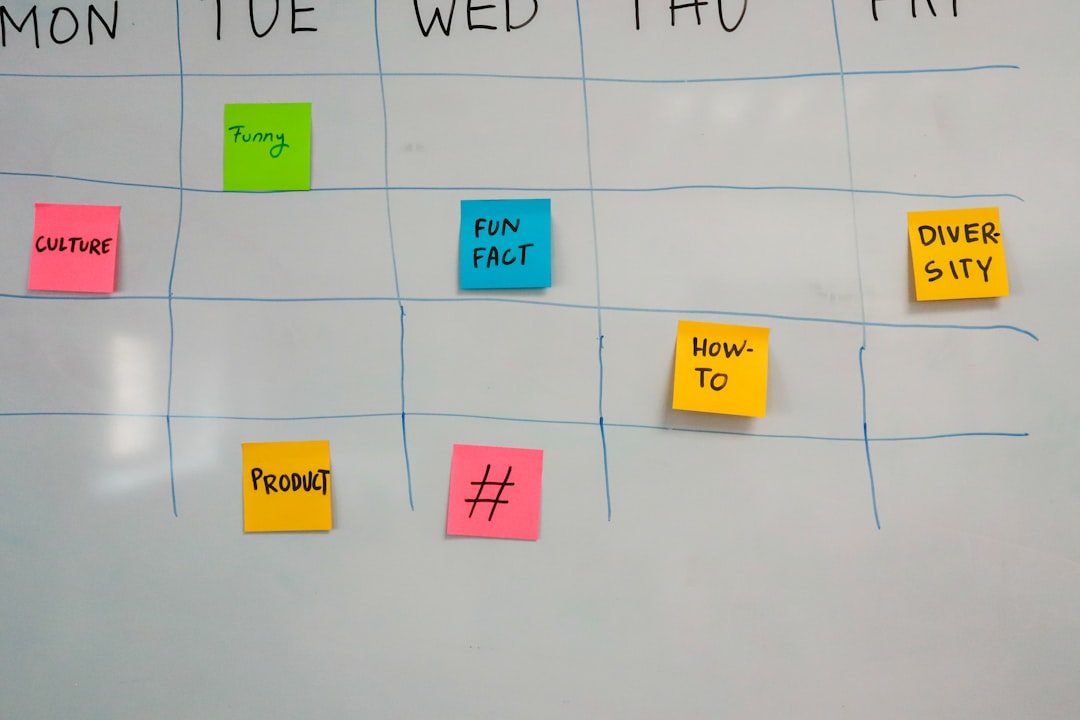
The calendar view is a major advantage. You can place tasks into time slots and see whether your day is realistic. That one feature can prevent a common planning mistake: pretending a ten-hour task list fits into four open hours.
Best TickTick uses:
- Planning a full workday with time blocks.
- Tracking habits such as reading, exercise, or medication.
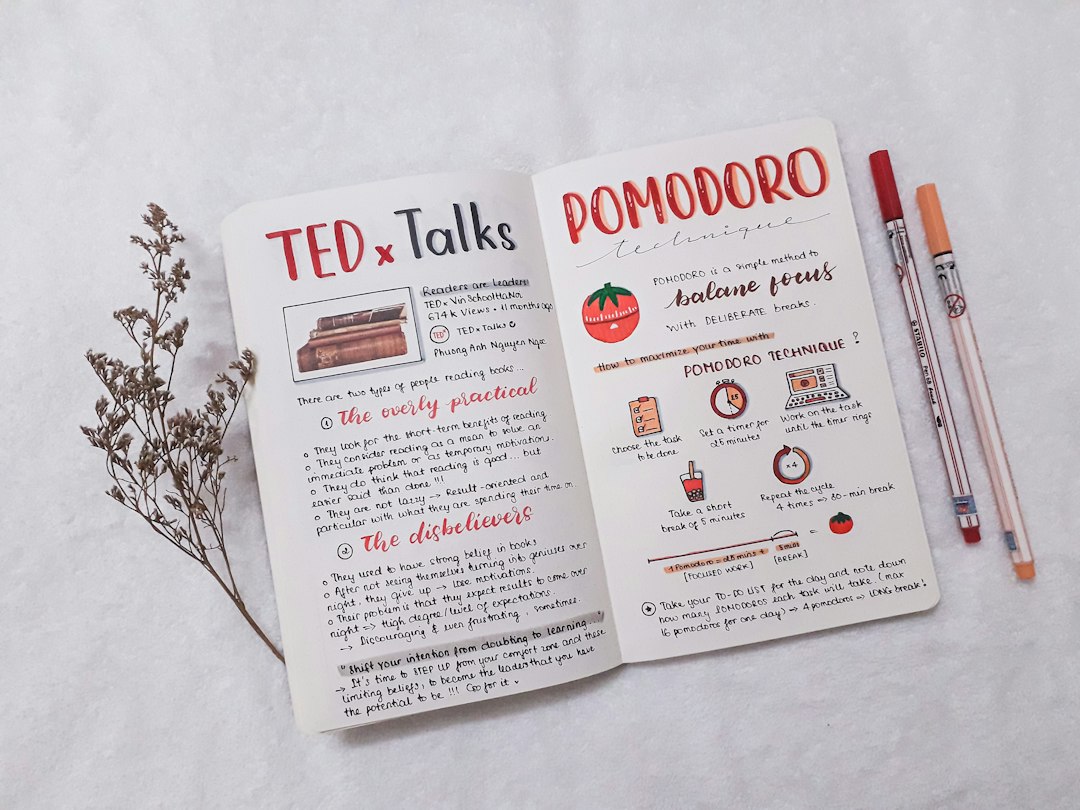
- Using the Pomodoro timer for focused work sessions.
- Managing personal and work tasks in one app.
- Seeing tasks and calendar events together.
Honestly, it feels like TickTick sometimes wants to be a task manager, calendar, habit tracker, and focus coach all at once. That is useful, but it can also feel busy. Expect to spend a little time turning off features you do not need.
Daily task management: which app is faster?
For quick capture, Todoist usually feels faster. Its natural language input is polished. The fewer moving parts help. If your main pain is getting tasks out of your head before they vanish, Todoist has an edge.
For daily planning, TickTick can be faster. Once tasks are collected, placing them into a schedule is easier inside TickTick. You can move from list to calendar without feeling like you jumped between tools.
Here is a simple comparison:
- Task capture: Todoist is cleaner and quicker.
- Calendar planning: TickTick is stronger.
- Focus sessions: TickTick wins with built-in Pomodoro tools.
- Minimal design: Todoist is calmer.
- Habit tracking: TickTick includes it natively.
- Team task sharing: Todoist feels more polished for simple collaboration.
Easy time management tips for either app
The app matters, but the method matters more. Use these rules whether you pick Todoist or TickTick.
- Keep a hard limit for “Today.” Start with 5 to 7 meaningful tasks. Add tiny chores only if they do not hide the real work.
- Use one inbox. Do not scatter reminders across email, notes, chat, and paper. Send them to your task app.
- Plan tomorrow before you stop working. Spend five minutes choosing the next day’s top tasks. Morning planning often turns into morning avoidance.
- Mark energy level, not just priority. Use labels such as High Focus, Quick Win, or Low Energy. This helps when your schedule breaks.
- Review missed tasks without drama. A missed task is data. Move it, delete it, or break it into a smaller step.
It drives me crazy when people use priority flags for everything. If all tasks are urgent, none are. Keep priority one for work that truly changes outcomes.
A practical setup in Todoist
For Todoist, start with a simple structure:
- Inbox for unsorted tasks.
- Work for job tasks.
- Personal for home and life admin.
- Waiting For for tasks blocked by someone else.
- Someday for ideas you are not ready to act on.
Then add a few labels. Do not overdo it. Good labels include Calls, Computer, Errands, and Deep Work. Use filters only after you know what you actually need to see. A complicated setup can become a fancy way to avoid doing the task.
A practical setup in TickTick
For TickTick, use the calendar and habits carefully. Start with:
- Inbox for fast capture.
- Today for selected tasks only.
- Calendar view for time blocking.
- Habits for repeat behaviors, not one-off work.
- Pomodoro for tasks that need protected focus.
A good TickTick routine is simple. First, collect tasks. Second, choose the top few. Third, drag them into open calendar slots. Fourth, run a 25-minute timer for the hardest task. This gives your day a visible shape.
Which one should you choose?
Choose Todoist if you want speed, simplicity, and strong list management. It is a better fit for people who already have a calendar system and just need a reliable task command center.
Choose TickTick if you want one app to manage tasks, time blocks, habits, and focus sessions. It is a better fit for people who think visually and want to see how tasks fit into the day.
If you are unsure, test both for one week with the same workload. Track three numbers: tasks captured, tasks completed, and tasks postponed. The better app is not the one with the longest feature list. It is the one that helps you finish important work with less mental noise.
Final recommendation: for pure daily task control, Todoist is the safer pick. For full day planning, TickTick is more complete. Pick the tool that reduces decision fatigue, then keep your system boring enough to use every day.