


In a market shaped by automation, data, remote work, and customer expectations, digital application development services have become essential to organizational growth. Companies increasingly rely on custom software, mobile apps, cloud solutions, and enterprise development expertise to modernize operations, strengthen user engagement, and gain measurable competitive advantages.
TLDR: Digital application development services help organizations create tailored technology that supports business goals, improves efficiency, and enhances customer experiences. These services often include custom software, mobile application development, cloud-based platforms, integrations, and enterprise-grade systems. A strong development partner combines technical expertise with business understanding to deliver secure, scalable, and future-ready solutions. The best outcomes come from strategic planning, user-focused design, agile development, and continuous improvement.
Understanding Digital Application Development Services
Digital application development services cover the planning, design, development, deployment, and maintenance of software products used across web, mobile, cloud, and enterprise environments. Rather than offering a single technology, these services provide a complete development ecosystem. A skilled provider evaluates business needs, identifies technical requirements, builds the application, tests performance, and supports long-term optimization.
These services are commonly used by startups launching new digital products, mid-sized companies improving internal workflows, and large enterprises replacing legacy systems. The main goal is to create applications that are reliable, scalable, secure, and aligned with business outcomes.

Custom Software Development for Business-Specific Needs
Custom software development focuses on building applications designed around the exact requirements of an organization. Unlike off-the-shelf software, custom solutions are not limited by generic features, rigid workflows, or unnecessary functions. They are developed to match how a business actually operates.
Custom software may include internal management systems, customer portals, booking platforms, inventory tools, analytics dashboards, workflow automation systems, or specialized industry applications. For example, a logistics company may require a platform that tracks shipments, manages drivers, integrates with warehouse systems, and generates real-time delivery reports. A retail business may need a custom commerce backend that connects inventory, loyalty programs, payments, and marketing data.
The benefits of custom software often include:
- Operational efficiency: Manual tasks can be automated, reducing errors and saving time.
- Flexible scalability: The system can grow as transaction volume, users, and features increase.
- Competitive differentiation: Unique features can support a stronger market position.
- Improved data visibility: Custom dashboards and reporting tools can support better decisions.
- System ownership: Organizations can control functionality, integrations, and future enhancements.
Strong custom software development begins with discovery and analysis. Development teams study current workflows, user roles, pain points, compliance needs, and performance expectations. This research turns business requirements into technical architecture, prototypes, development sprints, and production-ready software.
Mobile App Development for Modern User Engagement
Mobile applications have become a central channel for customer engagement and workforce productivity. Businesses use mobile apps to provide convenient services, personalized experiences, real-time notifications, and secure access to information. Mobile app development may involve native apps for iOS and Android, cross-platform apps, or progressive web apps that combine web accessibility with app-like functionality.
A successful mobile application is not only technically functional; it must also be intuitive. Users expect fast loading, clear navigation, straightforward onboarding, and consistent performance. Development teams therefore combine user experience design, interface design, backend engineering, API integration, testing, and app store deployment.
Common types of mobile applications include:
- Customer service apps for account access, support, purchases, and loyalty programs.
- Field service apps for technicians, inspectors, agents, and mobile employees.
- Healthcare apps for appointments, telehealth, patient communication, and records access.
- Finance apps for payments, budgeting, secure transactions, and account management.
- Education apps for learning content, assessments, communication, and progress tracking.
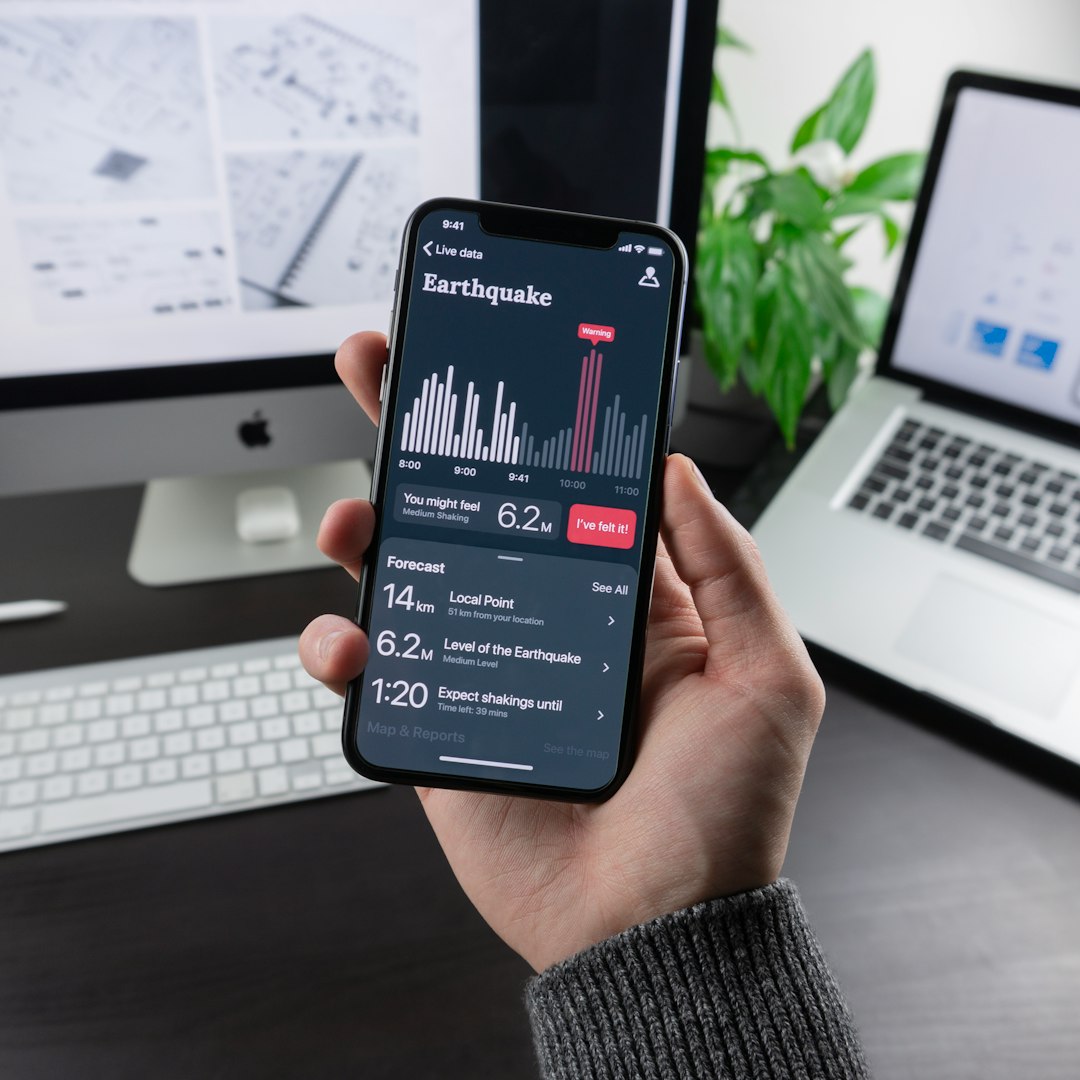
Security is especially important in mobile app development. Applications may handle login credentials, payment information, personal data, location details, or confidential business records. Development teams use secure authentication, encryption, role-based access, code reviews, and compliance-aware practices to protect users and organizations.
Cloud Solutions for Scalability and Agility
Cloud solutions allow organizations to host, manage, and scale applications without relying only on traditional on-premises infrastructure. Cloud development may include cloud-native applications, software-as-a-service platforms, cloud migration, serverless architecture, containerization, DevOps automation, and managed infrastructure.
The cloud gives businesses the ability to scale resources based on demand. A retail platform can support seasonal traffic spikes, a media application can process high volumes of content, and an analytics system can handle large datasets without extensive physical infrastructure investment. This flexibility helps organizations reduce overhead while improving availability and disaster recovery readiness.
Cloud application development commonly uses services such as databases, storage, authentication, load balancing, monitoring, analytics, AI tools, and automated deployment pipelines. A development partner with cloud expertise can design systems that are not only functional but also cost-efficient, secure, and resilient.
Key advantages of cloud-based development include:
- Elastic scalability: Resources can expand or contract based on application usage.
- Faster deployment: Automated pipelines can speed up releases and updates.
- Global accessibility: Users and teams can access systems from multiple locations.
- Improved reliability: Cloud infrastructure can support redundancy and failover planning.
- Cost control: Usage-based models can reduce unnecessary infrastructure spending.

Enterprise Development Expertise
Enterprise development requires a broader level of planning, governance, integration, and security. Large organizations often operate complex technology environments with multiple departments, legacy systems, compliance obligations, user groups, and data sources. Enterprise development expertise helps ensure that applications can function reliably within this complexity.
Enterprise applications may include customer relationship management systems, enterprise resource planning extensions, human resources platforms, supply chain systems, business intelligence tools, internal portals, and document management platforms. These applications must often integrate with existing databases, third-party platforms, identity providers, payment systems, and reporting tools.
A mature enterprise development approach focuses on:
- Architecture planning: Designing systems that support long-term performance and maintainability.
- Integration strategy: Connecting applications through APIs, middleware, and secure data exchange.
- Compliance alignment: Supporting industry requirements related to privacy, security, and recordkeeping.
- User role management: Ensuring appropriate permissions across teams, departments, and regions.
- Lifecycle support: Maintaining applications through updates, monitoring, and continuous improvement.
Enterprise-grade development also emphasizes documentation, testing, quality assurance, and change management. These factors help reduce risk when applications are deployed across large user bases or mission-critical workflows.
The Role of User Experience and Interface Design
Even the most powerful application can fail if users find it confusing or inefficient. User experience design plays a major role in digital application development because adoption depends on usability. Development teams study user behavior, create personas, map journeys, design wireframes, and test prototypes before building full functionality.
A strong user interface makes complex tasks feel simple. It guides users through workflows, reduces cognitive load, and improves satisfaction. For internal enterprise tools, better usability can also reduce training costs and support tickets. For customer-facing applications, it can increase engagement, conversions, and retention.
Good design is not decoration; it is a functional part of application success. It connects business objectives with human behavior, ensuring that applications solve real problems in a practical and accessible way.
Agile Development and Continuous Delivery
Many digital application development teams use agile methodologies to deliver value incrementally. Instead of waiting months for a complete product, agile teams work in structured development cycles called sprints. Each sprint may produce features, improvements, tests, or prototypes that stakeholders can review.
This approach supports transparency and flexibility. If business priorities change, the development roadmap can be adjusted. Feedback can be incorporated early, reducing the risk of building features that do not meet user needs. Agile development is often supported by DevOps practices, automated testing, version control, and continuous integration pipelines.
Continuous delivery allows teams to release improvements more frequently and reliably. This is especially valuable for mobile apps, cloud platforms, and enterprise systems that must adapt to changing market demands, security updates, and user expectations.
Security, Compliance, and Quality Assurance
Security is a core requirement across custom software, mobile apps, cloud solutions, and enterprise platforms. Applications may process sensitive customer data, internal business information, financial transactions, or regulated records. A responsible development process includes security planning from the earliest stages.
Common practices include secure coding standards, identity management, data encryption, vulnerability scanning, penetration testing, access controls, audit logs, and compliance reviews. For organizations in sectors such as healthcare, finance, education, government, or ecommerce, compliance requirements may influence architecture, storage, authentication, consent management, and data retention.
Quality assurance is equally important. Testing may include functional testing, usability testing, performance testing, compatibility testing, accessibility testing, and regression testing. A high-quality application should work consistently across devices, browsers, operating systems, user loads, and network conditions.
Choosing the Right Development Partner
Selecting a digital application development partner requires more than comparing technical skills. The right partner should understand business goals, industry context, user needs, and long-term product strategy. Technical expertise matters, but communication, transparency, project management, and post-launch support are also critical.
Organizations often evaluate development partners based on:
- Portfolio and case studies that demonstrate relevant experience.
- Technical capabilities across web, mobile, cloud, and enterprise environments.
- Discovery and planning process for understanding business requirements.
- Security and compliance knowledge appropriate to the industry.
- Maintenance and support services after launch.
- Clear communication around timelines, budgets, risks, and deliverables.
A strong partner acts as a strategic advisor, not merely a coding resource. The development team should help prioritize features, reduce unnecessary complexity, identify risks, and recommend technologies that support the organization’s future.
Long-Term Value of Digital Application Development
Digital applications can become powerful business assets when they are planned and maintained correctly. Custom platforms can streamline operations, mobile apps can deepen customer relationships, cloud solutions can improve agility, and enterprise systems can unify complex workflows. Together, these capabilities support digital transformation at both strategic and operational levels.
The most successful applications are not static. They evolve through analytics, user feedback, performance monitoring, and new business requirements. Ongoing enhancement ensures that technology remains aligned with the organization’s goals and continues to deliver value over time.
For modern businesses, digital application development is no longer just an IT initiative. It is a foundation for innovation, efficiency, and growth. With the right expertise, organizations can turn ideas into secure, scalable, and user-focused digital products that support long-term success.
FAQ
What are digital application development services?
Digital application development services include the strategy, design, development, testing, deployment, and maintenance of software applications for web, mobile, cloud, and enterprise environments.
How does custom software differ from off-the-shelf software?
Custom software is built around specific business needs, workflows, and goals. Off-the-shelf software is a ready-made product designed for general use and may not fully match an organization’s processes.
Why are mobile apps important for businesses?
Mobile apps help businesses provide convenient access, improve customer engagement, support mobile workforces, and deliver personalized digital experiences directly through smartphones and tablets.
What benefits do cloud solutions provide?
Cloud solutions offer scalability, remote accessibility, faster deployment, improved reliability, and flexible infrastructure costs. They also support modern development practices such as automation and continuous delivery.
What is enterprise application development?
Enterprise application development focuses on building large-scale, secure, integrated systems for complex organizations. These applications often support multiple departments, user roles, compliance needs, and business-critical processes.
How long does it take to develop a digital application?
The timeline depends on scope, complexity, features, integrations, design requirements, and testing needs. A simple application may take a few months, while a complex enterprise platform may require a longer phased development approach.
What should an organization look for in a development partner?
An organization should look for technical expertise, relevant experience, strong communication, security awareness, transparent project management, and the ability to provide long-term support after launch.