
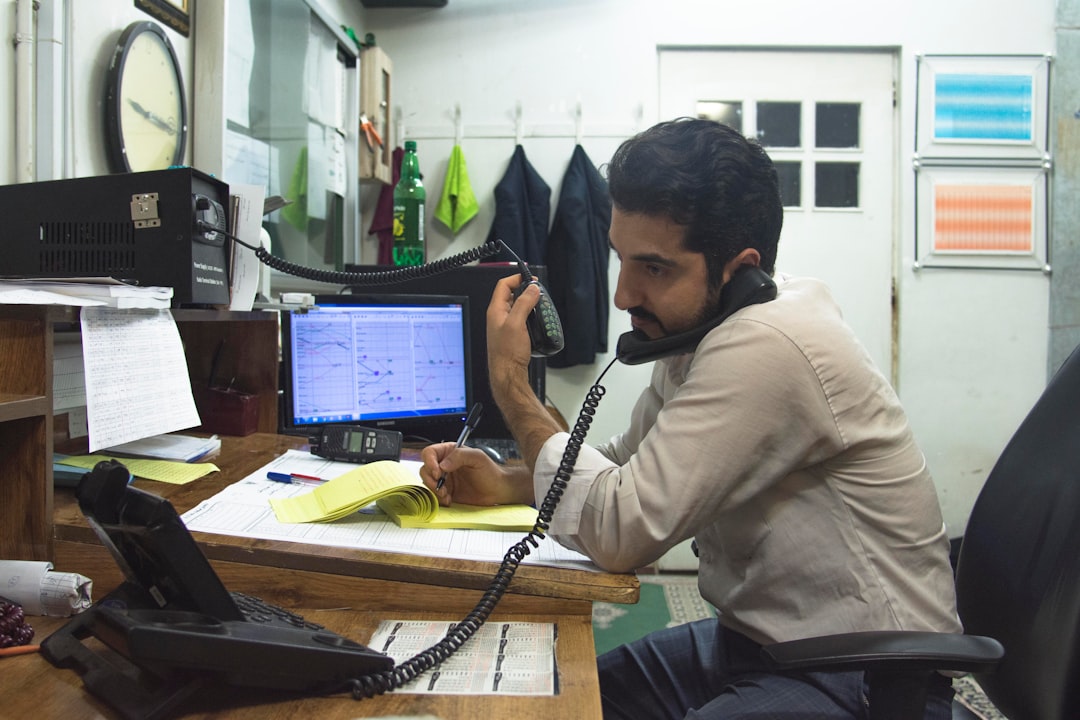

When many people think of the U.S. Army, images of camouflage uniforms, physical training drills, and active duty soldiers deployed overseas often come to mind. However, there’s a lesser-known but equally vital component of military operations: Army civilian careers. These positions offer stability, career growth, and a chance to serve the country in a meaningful way—all without wearing a uniform.
TLDR: Army civilian careers provide non-military professionals an opportunity to work within the Department of the Army, contributing in crucial areas such as engineering, healthcare, logistics, and human resources. These positions offer competitive salaries, excellent benefits, and room for advancement. Unlike military roles, civilian positions are not subject to deployment, making them ideal for individuals seeking work-life balance and job security. With thousands of job openings across the globe, there’s a role for nearly every skillset.
What Are Army Civilian Careers?
Army civilian jobs refer to positions held by non-uniformed personnel who work for the Department of the Army. These professionals support military missions through a wide range of skills—from clerical administration and finance to cybersecurity and biomedical research. Contrary to some public perception, these roles are not limited to the Pentagon or combat zones. Army civilians serve in office buildings, hospitals, research labs, and training centers around the world.
Advantages of Civilian Army Employment
There are numerous reasons why thousands of Americans choose to build careers as Army civilians:
- Job Stability: Army civilian roles are part of the federal employment system, offering long-term job security based on performance and need.
- Career Development: Employees are encouraged to pursue professional development through training programs, certifications, and education tuition assistance.
- Global Opportunities: Positions are available not only throughout the United States but also abroad—in Europe, Asia, and other strategic locations.
- Work-Life Balance: These jobs typically follow a Monday through Friday schedule, providing a consistent routine and allowing time for family and personal life.
- Robust Benefits: Federal employees enjoy a comprehensive benefits package including health insurance, retirement plans, paid leave, and more.

Fields of Work
Army civilian careers span nearly every professional field imaginable. Here are some of the most common areas where civilians are hired:
- Engineering and Technology: Civil, mechanical, electrical, and systems engineers work on everything from building barracks to designing defense systems.
- Healthcare: Medical professionals including doctors, nurses, and mental health specialists support the physical and psychological well-being of service members and their families.
- Information Technology: Cybersecurity analysts, system administrators, and network engineers help protect sensitive data and maintain secure communication infrastructure.
- Human Resources and Administration: HR professionals manage staffing, performance, and employee programs for tens of thousands of Army personnel.
- Logistics and Supply Chain: Logistics experts ensure that personnel, equipment, and supplies reach their intended destinations efficiently.
- Education and Training: Civilians also work as teachers, trainers, and instructional designers at Army schools and development centers.
How to Apply
Applying for an Army civilian job is similar to applying for any federal job. All openings are posted on the official site, USAJOBS.gov. Applicants should create an account, build a detailed federal resume, and upload supporting documents such as transcripts, certifications, or veteran preference documentation.
Key tips for successfully applying:
- Read the job description thoroughly to ensure qualifications match the listing.
- Use the keywords and skills listed in the job announcement when writing your resume.
- Tailor each application to the specific job; generic resumes are less effective.
Opportunities for Career Growth
The Army fosters a culture of growth and advancement. Employees are evaluated regularly and given clear pathways for promotion. Many civilians start in entry-level positions and, through experience and training, rise to mid-management or senior leadership roles.
Some programs designed to help civilians progress in their careers include:
- Civilian Education System (CES): Offers leadership and development courses for every career stage.
- Pathways Programs: Provides internships and entry-level opportunities with a focus on recent graduates.
- Mentorship Programs: Connects new employees with experienced staff to provide guidance and networking opportunities.
Diversity and Inclusion
The Army Civilian Corps is committed to fostering a diverse and inclusive workplace. Individuals of all backgrounds, identities, and experiences are welcomed and valued. This commitment enhances collaboration, innovation, and mission success. Numerous initiatives, including Employee Resource Groups and diversity training programs, ensure that everyone has a voice and a path forward.
Challenges and Considerations
Like any job, Army civilian careers come with their own set of challenges. The federal hiring process can be lengthy, sometimes taking several weeks or months from application to job offer. Security clearance requirements may also extend the onboarding process, depending on the position’s sensitivity. However, the reward of a stable and meaningful career far outweighs these initial obstacles for many.
Impact and Service Without the Uniform
Civilian workers play a crucial role in enabling the Army to fulfill its mission. Whether it’s designing bridges on a forward base, managing payroll, or developing mental health programs for service members, civilian employees provide the backbone to military readiness. Their talent, dedication, and innovation make a direct and lasting impact on national defense.
Conclusion
Not every hero wears a uniform, and Army civilian careers are a testament to that truth. These positions offer more than just a paycheck—they offer purpose, community, and the chance to build a long-term professional journey. For those looking for stability, growth, and the honor of serving their country from behind the scenes, a civilian role within the Army might be the perfect fit.
Frequently Asked Questions (FAQ)
- What is the difference between Army military and Army civilian careers?
Army military careers involve enlisted service members or officers in uniform, while Army civilian careers are non-military roles that support the Army’s mission and operations. - Do Army civilians receive the same benefits as military personnel?
Civilian benefits differ from those of military personnel but are still comprehensive, including health insurance, retirement benefits, paid time off, and life insurance. - Can Army civilians be deployed?
Most Army civilian jobs are not deployment-based. However, a few positions may involve overseas assignments or travel, typically on a voluntary basis. - Is prior military experience required for Army civilian jobs?
No. While veterans may receive hiring preference, civilian jobs are open to all qualified candidates regardless of military experience. - How competitive is the hiring process?
The level of competition depends on the field, location, and specific job. Tailoring your application and meeting all qualifications will improve your chances significantly. - Are there opportunities for students or recent graduates?
Yes. The Army offers several programs under the Pathways umbrella that are aimed at interns, recent graduates, and students in various fields. - Can civilian employees transfer to other federal jobs?
Yes. Once hired, Army civilians often have mobility within the broader federal system, making it easier to transfer across agencies or geographies.