

Bryx, First Due, and ESO are all useful emergency response tech options, but they do very different jobs. Bryx is best known for fast alerts. First Due is strong for fire operations and pre-plans. ESO is a big name for EMS records, fire reporting, and data. That matters, because NFPA says the U.S. has more than one million firefighters serving communities [source: NFPA].
TLDR: Pick Bryx if your main pain is getting crews notified fast. Pick First Due if you need one place for fire inspections, pre-incident plans, hydrants, and response data. Pick ESO if EMS charts, fire records, billing data, and analytics are the big headache. For example, if 20 firefighters save just 20 seconds each on a call, that is over 6 crew minutes saved before the wheels even roll.

Why these tools get compared
Emergency response software is not one neat box. Sorry, it would be nice if it were. One tool may help with dispatch alerts. Another may manage inspections. Another may handle EMS patient care reports.
That is why Bryx, First Due, and ESO often show up in the same talk. They all help first responders work faster. They just attack different problems.
Honestly, it feels like many departments buy software after one awful call exposes a gap. A missed note. A bad map. A slow page. A report that takes forever. Nobody enjoys fixing that at 2 a.m.
Bryx: fast alerts and quick awareness
Bryx is often used for alerting and response information. Think phone alerts, station displays, call details, maps, and directions. It helps crews know what is happening right now.
That makes it handy for volunteer and combination departments. People may be at home, at work, or across town. A clean alert can save time. A messy one can cause confusion.
Best fit:
- Volunteer fire departments.
- Agencies that need mobile alerts.
- Stations that want clear call screens.
- Teams that need quick access to call notes.
The annoying part? Alert tools depend on clean dispatch data. If the feed is poor, the app cannot magically fix every detail. Expect some setup work. Expect testing. Expect someone to say, “Why did my phone not buzz?” at least once.
First Due: the big fire department toolbox
First Due is more of an all-in-one fire and EMS operations platform. It can cover response, pre-plans, inspections, scheduling, assets, reporting, and community risk work. That is a lot.
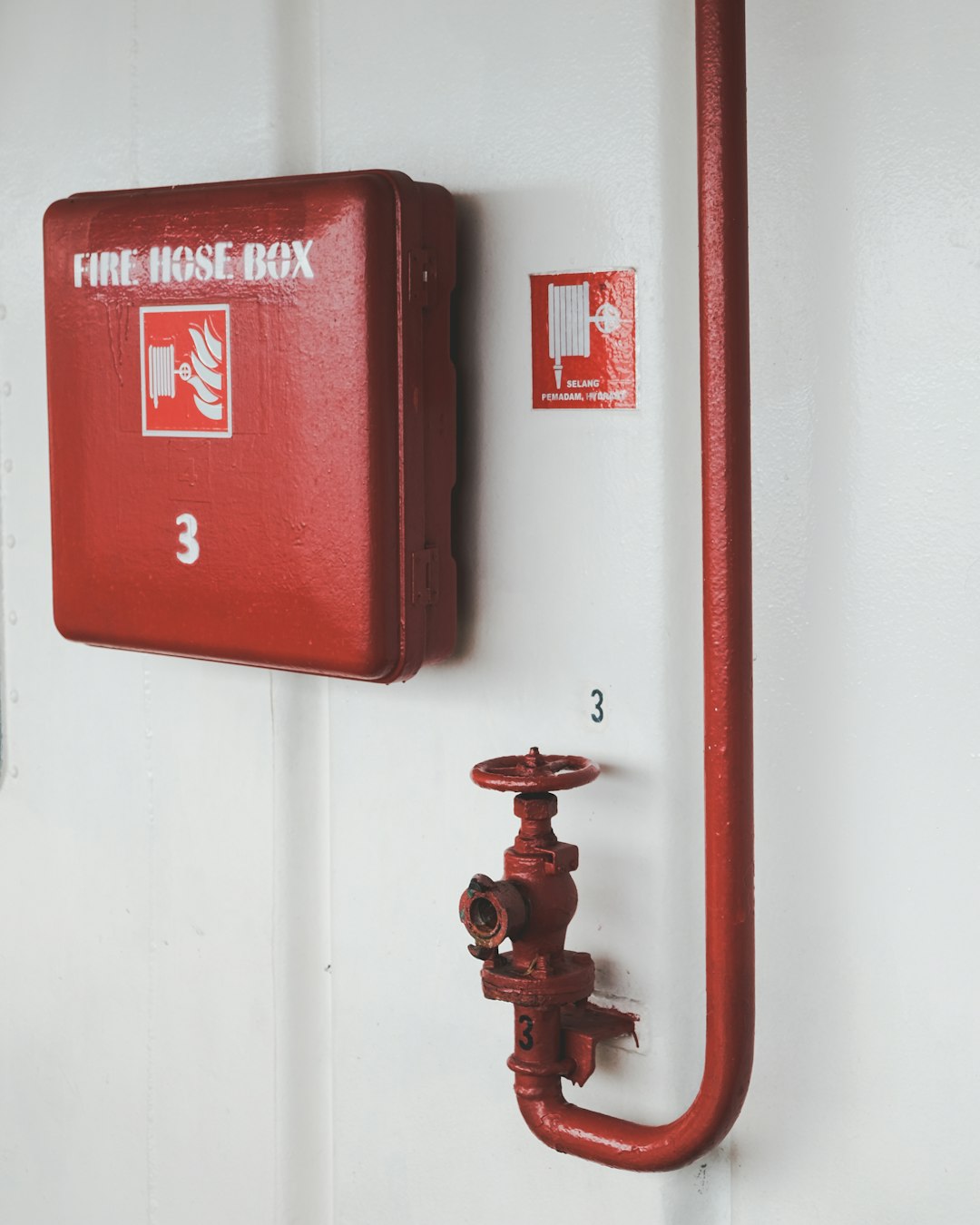
It is useful when a department wants fewer tabs open. Pre-plan data can support crews on the way to a call. Inspection notes can connect to known hazards. Hydrant data can live near response planning.
This is where First Due shines. It pulls fire department work into one shared system. That can reduce duplicate entry. It can also make training easier, if people actually use the system.
Best fit:
- Fire departments that want one main platform.
- Agencies focused on fire prevention.
- Teams with lots of inspections and pre-plans.
- Departments trying to clean up records.
The catch is simple. More features can mean more setup. If you bring in old spreadsheets, outdated building notes, and mystery hydrant lists, the first month may feel like cleaning a garage. Worth it? Often, yes. Fun? Not always.
ESO: EMS records, fire RMS, and serious data
ESO is widely known for EMS electronic patient care reporting, often called ePCR. It also offers fire records, analytics, hospital data tools, and billing support. If reports and outcomes matter most, ESO belongs on the list.
EMS teams care about clean patient records. Fire leaders care about accurate incident data. City leaders care about numbers they can trust. ESO sits close to that data-heavy side of the job.
For EMS, standards matter. Many agencies work with NEMSIS data rules for EMS reporting [source: NEMSIS]. A tool like ESO can help keep that structure organized.
Best fit:
- EMS agencies with heavy charting needs.
- Fire departments that need strong reporting.
- Agencies tracking outcomes and trends.
- Teams that need billing or hospital data links.
It drives me crazy when report software takes ten clicks to record one simple fact. So test the workflow. Time it. Let medics try it on a fake call. If charting takes too long in training, it will feel worse after a real run.
Simple comparison
- Bryx: Best for alerts, call details, and fast crew awareness.
- First Due: Best for fire operations, pre-plans, prevention, and inspections.
- ESO: Best for EMS records, fire reporting, analytics, and billing data.
If your biggest issue is missed alerts, start with Bryx. If your building data is scattered, look at First Due. If your EMS charts are painful, look at ESO.
How to choose without losing your mind
Do not start with a huge feature list. Start with three daily problems. Write them down. Be blunt.
- Are crews getting alerts late?
- Are pre-plans hard to find?
- Are EMS reports taking too long?
- Are inspections tracked in random files?
- Are leaders missing clean data?
Then ask vendors to show those exact tasks. Not a polished sales tour. A real workflow. Time the steps. Count the clicks. Ask what happens when the internet is weak.
This is similar to choosing other field tools. The best systems reduce wasted motion. That idea applies to field service management, public works, fire, and EMS alike. People in the field need clear tasks. Not clutter.
Public-facing tools matter too. Prevention pages, permit portals, and safety content should be easy to use. The same thinking behind site engagement can help departments share fire safety tips that people actually read.

The smart short answer
Bryx helps crews react fast. First Due helps fire departments organize operations. ESO helps agencies manage medical records, fire reports, and data.
No single choice wins for everyone. A small volunteer department may love Bryx. A busy fire prevention bureau may prefer First Due. A high-call EMS agency may need ESO first.
Pick the tool that fixes the pain your people feel every shift. Then train on it. Keep the data clean. And please, do not buy software just because the dashboard looks pretty.