


Field service used to be a messy game of phone calls, paper forms, sticky notes, and crossed fingers. A technician would drive across town, only to find the wrong part was in the van. A customer would wait all day and still hear, “We are on the way.” Today, FSM solutions, or field service management solutions, are changing that story fast.
TLDR
FSM technology helps service teams work faster, smarter, and with fewer headaches. It connects scheduling, dispatching, mobile apps, parts, customer updates, and reporting in one place. For example, a plumbing company with 25 technicians could cut missed appointments by 30% by using smart scheduling and live technician tracking. Customers stay happier, and teams waste less time.
What Is Field Service Management?
Field service management is the way companies manage work done outside the office. Think repairs, inspections, installations, cleaning, maintenance, and deliveries. If someone gets in a van and visits a customer, that is field service.
FSM solutions are digital tools that help manage this work. They help answer simple but important questions:
- Who should do the job?
- Where should they go?
- What tools or parts do they need?
- Has the customer been updated?
- Was the job finished?
- Did someone send the invoice?
Without technology, these answers can get lost. With FSM software, they sit in one neat system. It is like mission control, but for vans, tools, and coffee-fueled technicians.
Smart Scheduling Makes Everyone Breathe Easier
Old school scheduling can feel like a puzzle made of spaghetti. One person calls in sick. A job takes too long. Traffic appears out of nowhere. Suddenly, the whole day is chaos.
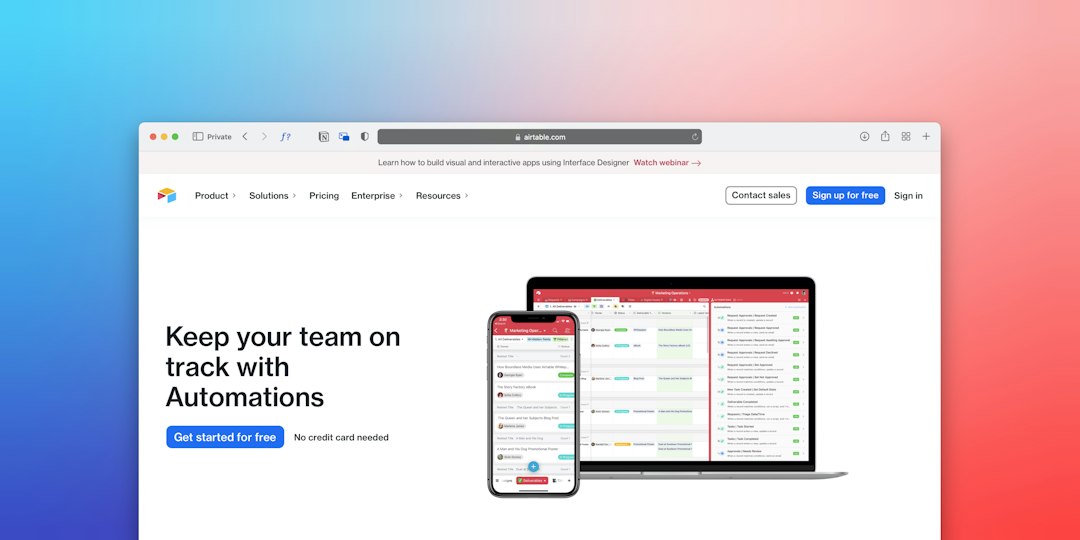
Modern FSM solutions use smart scheduling. The software looks at technician skills, location, availability, job priority, and even travel time. Then it helps choose the best person for the job.
This means less guessing. It also means fewer awkward customer calls that start with, “So, funny story…”
For example, if a technician is already near a customer with a broken air conditioner, the system can assign that job quickly. The tech saves fuel. The customer gets help sooner. The dispatcher gets to keep their sanity.
Mobile Apps Turn Technicians Into Superheroes
Technicians do not want to dig through folders in the front seat. They do not want to call the office five times for one job. They want the right details, right now.
This is where mobile FSM apps shine. A technician can open an app and see:
- Customer name and address
- Job history
- Photos and notes
- Parts needed
- Safety instructions
- Digital forms
- Customer signatures
They can also upload photos, mark tasks as complete, and send updates instantly. No paper. No lost forms. No mystery handwriting that looks like a raccoon held the pen.
Simple tools make a big difference. When the field team has better information, they make better decisions.
Real Time Tracking Keeps Customers Calm
Customers do not enjoy waiting. Nobody likes staring out the window for six hours, wondering if the technician is real or just a legend.
FSM solutions often include real time tracking. Customers can get text messages, emails, or app alerts. They can see when a technician is on the way. They can receive a smaller arrival window.
This feels normal now because people already track food, rides, and packages. So why not track a furnace repair too?
Better updates reduce “Where are you?” calls. That helps the office team. It also builds trust. A customer may forgive a delay if they know what is happening.

Data Helps Managers See the Big Picture
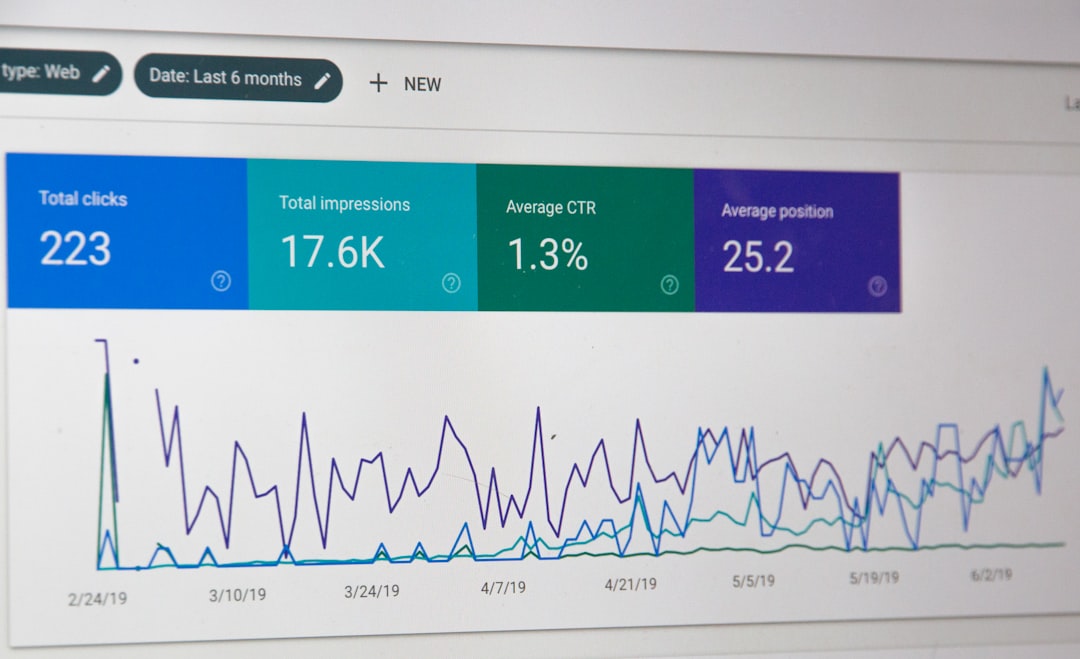
FSM technology does more than move jobs around. It also collects useful data. That data can show what is working and what is not.
Managers can track things like:
- First time fix rate: How often jobs are completed on the first visit.
- Average travel time: How long technicians spend driving.
- Job duration: How long each type of task takes.
- Customer satisfaction: How happy customers are after service.
- Technician performance: Who may need help, training, or better tools.
These numbers are not just “nice to have.” They help leaders make better plans. If one repair type often needs a second visit, maybe the team needs better parts planning. If driving time is too high, routes may need to change.
Data turns gut feelings into clear action. It is like giving managers a flashlight in a dark garage.
Inventory Management Stops the “Wrong Part” Problem
Few things are more annoying than reaching a job site and realizing the right part is missing. The technician is annoyed. The customer is annoyed. The schedule is now doing backflips.
FSM solutions can connect jobs with inventory. The system can show what parts are in each van, warehouse, or branch. It can also warn teams when stock is low.
This helps companies avoid repeat visits. It also helps control costs. Parts are not overbought. Critical items do not vanish without warning. Everyone wins, especially the poor technician who used to search the van like it was a treasure hunt.
Automation Handles the Boring Stuff
Some work is important but boring. Sending reminders. Creating invoices. Updating job status. Assigning follow up tasks. These things matter, but they eat time.
Automation lets FSM software handle many of these tasks. For example:
- A customer books a service appointment online.
- The system confirms the booking.
- A technician is assigned.
- The customer gets a reminder.
- The technician completes the job.
- The invoice is sent automatically.
That is a smooth ride. No one has to chase paperwork. No one has to retype the same details three times. The team can focus on real work.
AI Is Making FSM Even Smarter
Artificial intelligence is also joining the party. No, it is not wearing a tool belt. Not yet. But it is helping behind the scenes.
AI can predict which equipment may fail soon. It can suggest the best technician for a job. It can help plan routes. It can even scan service notes and find patterns.
Imagine a company that services elevators. AI may notice that one model often needs a certain part after 18 months. The company can plan maintenance before a breakdown happens. That means fewer emergencies and fewer angry people stuck between floors.
Customers Expect Better Service Now
Technology has changed customer expectations. People want speed. They want updates. They want easy booking. They want proof that the job was done.
FSM solutions help companies offer that modern experience. Customers can book online, receive alerts, approve quotes, and pay digitally. They may also get photos, reports, and service records after the job.
This makes the service feel professional. It also makes customers more likely to return. Happy customers tell friends. Angry customers tell the internet.
Small Teams Can Use FSM Too
FSM software is not only for giant companies with hundreds of vans. Small teams can benefit too. A business with five technicians still needs good scheduling, clear communication, and fast billing.
Many FSM tools are cloud based. That means teams can use them from phones, tablets, and laptops. They do not need huge servers or a giant IT department. They just need the right setup and a little training.
Starting small is fine. A company may begin with scheduling and mobile forms. Later, it can add inventory, reporting, customer portals, and automation.
The Future of Field Service Looks Bright
Field service will keep changing. More devices will connect to the internet. More equipment will send alerts before it breaks. More customers will expect live updates. More teams will use AI, automation, and data to stay ahead.
But the goal stays simple. Get the right person to the right place with the right tools at the right time.
FSM solutions make that goal easier. They reduce chaos. They save time. They help technicians do better work. They help customers feel informed and respected.
In the end, field service is still about people helping people. Technology just makes the whole thing smoother, faster, and a lot less stressful. And if it also saves a dispatcher from a mountain of sticky notes, that is a beautiful bonus.