
Choose Nano Banana Pro for product realism, Imagen for polished brand-safe visuals, and Ideogram for marketing graphics with readable text. That is the practical split for most ecommerce teams, especially when product images, ads, banners, and social posts need to move from draft to approval without five rounds of cleanup. Google’s Imagen models are available through Vertex AI for image generation, which makes them a serious option for teams already working inside Google Cloud [source: Google Cloud].
TLDR: If you sell physical products, start with Nano Banana Pro when realism and object consistency matter most. Use Imagen when your team needs clean, controlled, brand-safe marketing images at scale. Pick Ideogram for graphics with text, such as “30% off,” product labels, or event posters. For example, a small skincare brand making 40 product ad variants per month may use Nano Banana Pro for bottle shots, Imagen for lifestyle backgrounds, and Ideogram for sale cards.
1. Product accuracy matters more than style
For product images, the biggest risk is not a boring image. It is a wrong image. A cap changes shape. A logo bends. A texture looks like plastic when the real item is glass. That can hurt trust fast.
Nano Banana Pro is often the strongest pick when the product itself must stay believable. It tends to be useful for product staging, realistic lighting, packaging mockups, and small object placement. If you need a shoe, bottle, bag, candle, or electronic device to look like something a customer could actually receive, this is the kind of model to test first.
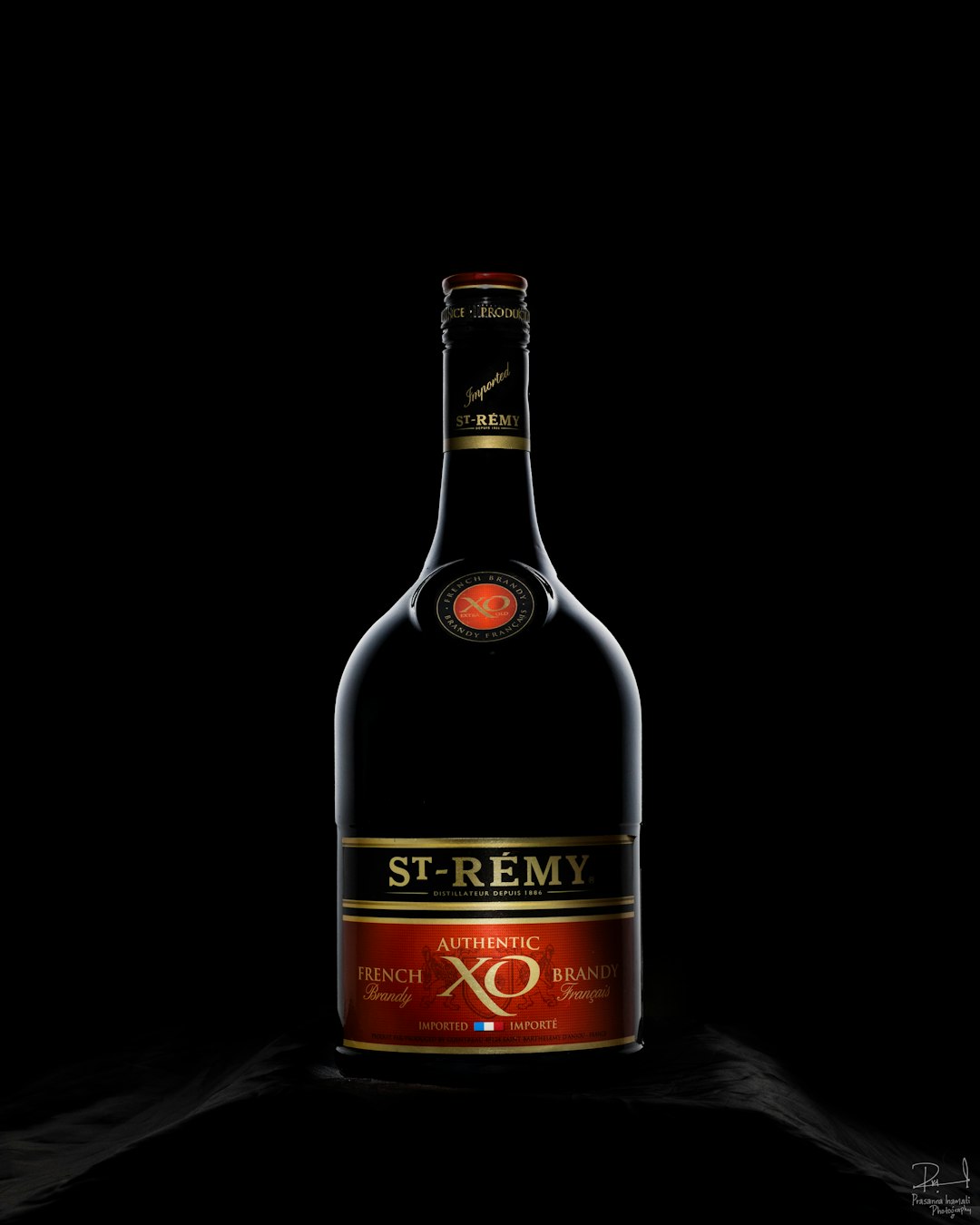
Imagen also performs well for clean commercial visuals. It can create crisp lifestyle scenes and polished ecommerce-style shots. The output often feels controlled and suitable for brands that want a safer, less odd result. Honestly, it feels like Imagen is built for teams that would rather get a solid 8 out of 10 every time than gamble on a strange 10.
Ideogram is less ideal when the exact product shape is the main concern. It can create attractive scenes, but its real strength sits elsewhere: layouts, posters, and text-heavy marketing graphics.
2. Text inside images changes the winner
This is where Ideogram earns its place. Marketing graphics often need words inside the image. Think discount banners, event posters, YouTube thumbnails, packaging ideas, and simple ad creatives.
Many image models still make text weird. Letters melt. Words repeat. A simple “Summer Sale” turns into “Sumer Saie.” It drives me crazy that one tiny typo can ruin an otherwise great image after 20 seconds of waiting.
Ideogram is usually the better choice when readable text is part of the image. It handles slogans, short headlines, and typographic design better than many general image tools. For paid ads, that matters. A clear “Buy 2 Get 1 Free” graphic is more useful than a beautiful but unreadable poster.
Nano Banana Pro and Imagen can still produce good marketing scenes with space for text. But if you need the text baked into the image itself, test Ideogram first. If your workflow allows editing later in Canva, Figma, or Photoshop, then the gap becomes smaller.
3. Brand consistency is not automatic
All three tools can create strong visuals. None should be trusted blindly with brand consistency. That includes colors, packaging details, model styling, logo placement, and product proportions.
- Nano Banana Pro: Best when you need the same product to appear across multiple scenes with fewer strange changes.
- Imagen: Strong for clean brand-safe images, especially when prompts are structured and simple.
- Ideogram: Best for consistent graphic style, headline treatment, and campaign visuals.
For product teams, the best workflow is often mixed. Generate the core product image in Nano Banana Pro. Use Imagen for lifestyle variations. Use Ideogram for promotional graphics. Then finish the final layout in a design tool with your real logo, fonts, and product claims.
This may sound slower. In practice, it can save time. A team making 25 product creatives could spend one hour setting rules for lighting, color, and camera angle, then avoid hours of fixing mismatched visuals later.
4. Speed and editing control affect real output
Speed is not just generation time. It is the time from prompt to approved asset. A model that makes pretty images but needs ten retries is slow.
Nano Banana Pro is useful when fewer visual errors mean fewer restarts. It is a good fit for product pages, marketplace images, concept shots, and realistic ad scenes. Expect to waste time on tiny defects, though. Hands, reflections, label edges, and shadows still need review.
Imagen works well when teams need a dependable stream of clean images. It is a strong option for background scenes, campaign mood images, editorial visuals, and brand-safe creative testing. It may feel less bold than other tools, but that can be a benefit for regulated or cautious brands.
Ideogram can be the fastest route for social content. If the goal is a square Instagram sale post, a poster, or a simple product announcement, it can reduce layout work. The tradeoff is that detailed product accuracy may need a second pass elsewhere.
Practical recommendation
Use the tool based on the asset, not the hype.
- Product page hero image: Nano Banana Pro.
- Lifestyle ad with safe styling: Imagen.
- Poster, banner, or promo graphic with text: Ideogram.
- Full campaign: combine all three, then apply final brand checks manually.
If the image will directly affect a buying decision, accuracy comes first. If it supports a campaign mood, polish comes first. If it needs words inside the image, text quality comes first. That simple rule will cut bad outputs fast and keep your product marketing work more reliable.


