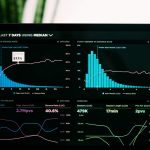

Business intelligence software for logistics turns messy shipping data into clear answers. It shows where trucks are, what orders are late, which routes cost too much, and what warehouse teams should fix first. Better forecasting can cut supply chain forecast errors by 20% to 50%, according to McKinsey [source: McKinsey].
TLDR: Business intelligence, or BI, helps logistics teams see problems before they become expensive fires. For example, a carrier may find that Route A is 12% slower on Fridays and shift loads to Route B. A warehouse may spot that 6% of orders are delayed because one dock door is always backed up. BI makes these facts visible in dashboards, alerts, and reports.
Image not found in postmetaWhat is business intelligence software for logistics?
BI software is a tool that collects data from your logistics systems. Then it turns that data into charts, tables, alerts, and simple reports.
Think of it like a control room for your supply chain. Instead of opening five tabs and yelling, “Where is that shipment?”, you see the answer in one place.
It can track:
- Shipments in transit
- Delivery times by route or driver
- Warehouse output by shift
- Carrier costs by region
- Inventory levels at each location
- Late orders and the reason behind them
Honestly, it feels like logistics teams spend too much time hunting for basic facts. One person checks the transport system. Another checks spreadsheets. Someone else asks the warehouse. BI cuts that mess down.
Why logistics teams need BI
Logistics is full of tiny problems. Tiny problems become giant bills.
A truck waits 38 minutes too long. A pallet is scanned in the wrong zone. A customer order misses the cut-off time by five minutes. None of this sounds dramatic. Until it happens 200 times a week.
BI helps teams see patterns. Not just one late truck. Not just one missing case. It shows the repeat problem.
That is where the money is hiding.
Core features to look for
Good logistics BI software should not feel like flying a spaceship. It should be clear and quick.
- Real-time dashboards: See orders, trucks, stock, and delays as they happen.
- Route analysis: Compare routes by time, fuel cost, stops, and late deliveries.
- Carrier scorecards: See which carriers are on time, overpriced, or causing claims.
- Warehouse reports: Track pick rates, packing errors, dock delays, and labor output.
- Inventory visibility: Know what is in stock, where it sits, and how fast it moves.
- Alerts: Get warned when a shipment is late, stock is low, or costs spike.
- Forecasting: Estimate future demand, order volume, and staffing needs.
- Custom reports: Build views for managers, planners, finance teams, and customers.
The best tools also let users drill into details. A chart says late deliveries rose 9%. You click it. Now you see the region, carrier, warehouse, route, and day of the week.
That is useful. That saves meetings.

How data integration works
Data integration sounds boring. It is not. It is the plumbing that makes the whole thing work.
BI software connects to the systems your logistics team already uses. These may include:
- TMS, or transport management systems
- WMS, or warehouse management systems
- ERP software
- GPS and telematics tools
- Carrier portals
- Order management systems
- Spreadsheets, because yes, they always show up
The software pulls data from these places. Then it cleans it. Then it matches it.
For example, your TMS may say a shipment left at 8:04 a.m. The GPS tool may show the truck moved at 8:17 a.m. The warehouse system may show loading finished at 7:52 a.m.
BI brings those facts together. Now you can ask better questions. Why did the truck sit for 25 minutes? Was the driver waiting? Was paperwork missing? Was the dock blocked?
It drives me crazy when a report takes 40 seconds to load and still gives no answer. A good BI tool should be faster than that. It should also show clean data, not a pile of mystery columns.
Operational benefits
BI is not just for pretty charts. Pretty charts are nice. But results matter more.
Here is what logistics teams can gain:
- Lower transport costs: Spot expensive lanes, wasteful routes, and poor carrier choices.
- Fewer late deliveries: Find delay patterns before customers complain.
- Better warehouse flow: See bottlenecks in picking, packing, staging, and loading.
- Higher customer trust: Share better updates and avoid vague excuses.
- Less manual reporting: Stop building the same spreadsheet every Monday.
- Smarter staffing: Match labor to order volume and peak hours.
- Reduced inventory waste: Avoid stockouts, overstock, and slow-moving goods.
Here is a simple use case.
A regional distributor runs 80 trucks per day. Its BI dashboard shows that 18% of late deliveries come from only three routes. The team checks the data. Two routes hit school traffic. One has a slow loading bay.
They change departure times by 30 minutes. They move one route to a different dock. Late deliveries drop from 18% to 11% in four weeks.
No magic. Just better visibility.

Who uses logistics BI?
Many teams use the same BI system, but they care about different things.
- Transport managers watch delivery times, carrier costs, and route results.
- Warehouse managers track labor, pick speed, errors, and dock flow.
- Operations leaders watch service levels, costs, and risk.
- Finance teams check freight spend, accessorial fees, and budget gaps.
- Customer service teams use shipment data to give faster answers.
What to check before buying
Do not buy the shiniest dashboard first. Ask practical questions.
- Can it connect to your current systems?
- Does it refresh data often enough?
- Can non-technical users build reports?
- Are alerts easy to set up?
- Can it handle messy data?
- Does it show mobile-friendly dashboards?
- Can it grow with more orders, sites, and carriers?
The best BI software gives logistics teams fewer surprises. It turns daily chaos into clear choices. You see what happened, why it happened, and what to fix next.
That is the real win. Less guessing. Less chasing. More goods moving on time.