
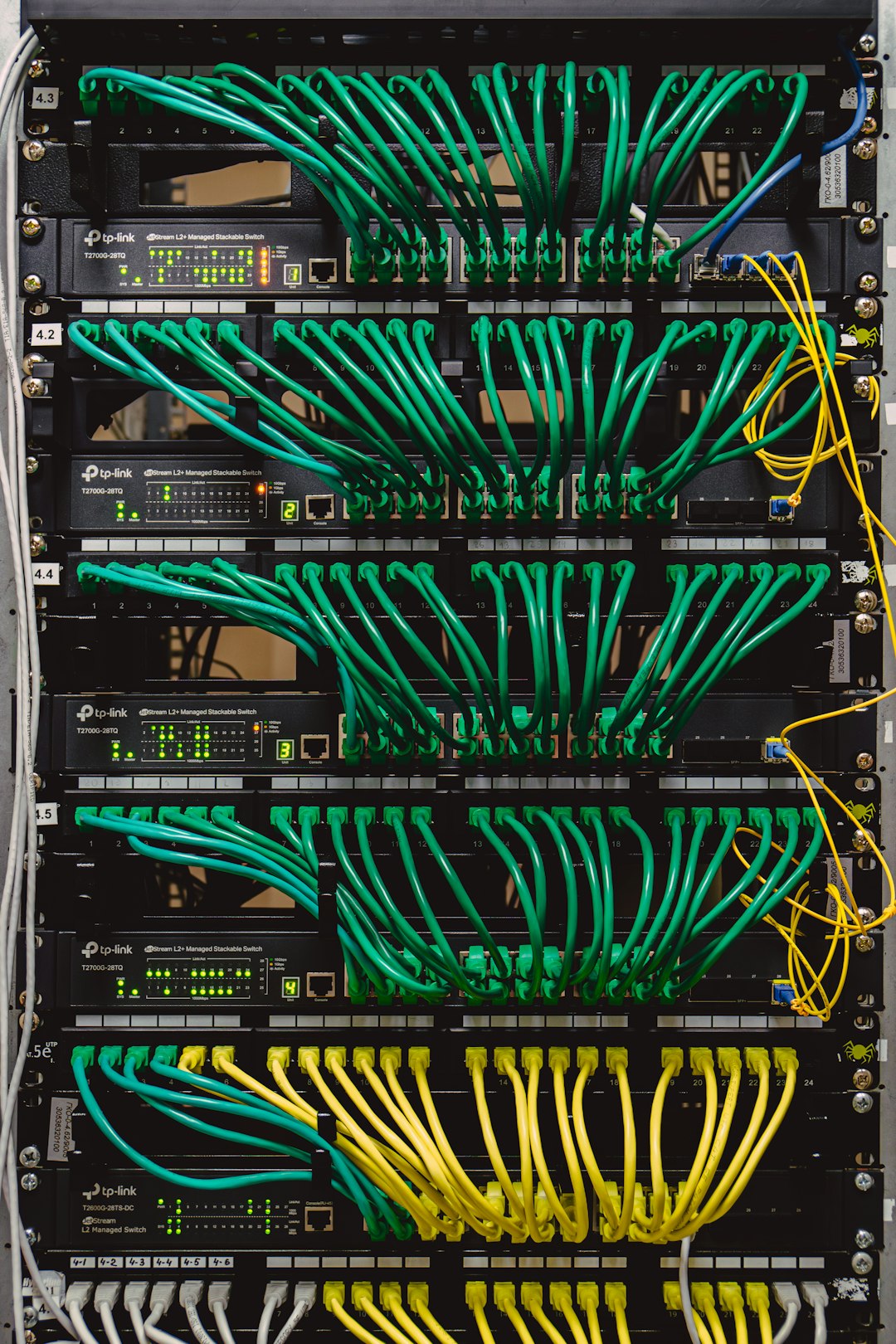

Most enterprises should use VLANs for broad network zones and microsegmentation for high-risk systems, cloud workloads, and east-west traffic control. VLANs still do solid work for separating departments, guest networks, servers, and operational technology. Microsegmentation goes deeper. It limits which workloads, users, and applications can talk to each other after traffic is already inside the network. That matters because the average cost of a data breach reached $4.88 million in 2024 [source: IBM].
TLDR: VLANs are best for coarse segmentation, while microsegmentation is best for fine-grained security control. A retail enterprise might place stores, payment systems, guest Wi-Fi, and corporate devices into separate VLANs, then use microsegmentation to allow only payment terminals to reach payment processors on approved ports. If ransomware lands on one laptop, this model can cut off lateral movement before it reaches finance or domain controllers. In many cases, teams get the best result by using both, not by treating them as rivals.
What VLANs Do Well
A VLAN, or virtual local area network, separates traffic at Layer 2. It lets network teams split one physical network into logical broadcast domains. That reduces noise, limits some exposure, and makes large networks easier to manage.
VLANs are common because they are familiar. Most switches, firewalls, and wireless controllers support them. A team can create a finance VLAN, HR VLAN, server VLAN, voice VLAN, guest VLAN, and admin VLAN without redesigning the whole network.
- They are simple to deploy compared with newer software-based controls.
- They improve basic isolation between user groups and network functions.
- They help with traffic management, especially in campus and branch networks.
- They support firewall policy when traffic crosses VLAN boundaries.
The catch is that VLANs do not stop all lateral movement. If an attacker gains access to a system inside a trusted VLAN, that attacker may still reach other systems in the same zone. A flat server VLAN can become a playground. It drives security teams a bit mad because the diagram looks clean, yet the risk remains wide open.

What Microsegmentation Adds
Microsegmentation creates much smaller security zones. Instead of trusting a whole subnet, it defines who or what can communicate with each application, workload, container, or server. Policies can use identity, tags, process names, device posture, ports, protocols, and application context.
This is useful in data centers, hybrid cloud, Kubernetes, virtual machines, and zero trust programs. CISA describes zero trust as a model that removes implicit trust and verifies access continuously [source: CISA]. Microsegmentation fits that model because it assumes that internal traffic should not be trusted by default.
For example, a payroll application may need to talk to an employee database on TCP 1433. It does not need to talk to a file server, a domain controller management port, or a development system. Microsegmentation can block those paths even if all systems sit in the same cloud account or subnet.
VLANs vs Microsegmentation: The Practical Difference
VLANs group systems by network location. Microsegmentation groups systems by required communication. That is the cleanest way to separate the two.
| Category | VLANs | Microsegmentation |
|---|---|---|
| Control level | Subnet or network zone | Workload, app, process, or identity |
| Best use | Departments, guests, branches, voice, IoT | Critical apps, servers, cloud, containers |
| Security strength | Good for broad separation | Strong for lateral movement control |
| Complexity | Lower | Higher without good planning |
VLANs are not obsolete. They are just not enough by themselves. Microsegmentation is stronger, but it can turn messy fast if no one maps traffic first. Expect to waste time on broken app flows if policies are pushed without discovery. That pain often shows up as a “database outage” that is really a blocked dependency no one documented.
Best Practices for VLAN Segmentation
- Use clear zone names. Names such as prod servers, guest wireless, and payment systems reduce mistakes.
- Keep user, server, IoT, and guest traffic apart. These groups have different risk levels.
- Route VLAN traffic through firewalls. Do not allow sensitive VLANs to talk freely through switch routing.
- Use access control lists with care. ACLs help, but they become hard to audit at scale.
- Block unused ports and trunk links. Misconfigured trunks can expose VLANs that should stay isolated.
- Monitor east-west traffic. VLAN boundaries mean little if internal traffic is ignored.
Enterprises should also avoid huge VLANs. A 2,000-device user VLAN is easier to operate than 20 smaller zones, but it creates a large blast radius. Smaller zones reduce damage when a user endpoint is compromised.

Best Practices for Microsegmentation
- Start with visibility. Teams should map application flows before writing enforcement rules.
- Use a default-deny model. Allow only known, approved communication.
- Group by business function. Tag systems by app, owner, environment, and risk level.
- Test in monitor mode first. This reduces surprise outages.
- Protect crown jewels first. Domain controllers, backup servers, payment systems, and sensitive databases should come early.
- Automate policy updates. Cloud and container systems change too quickly for manual rules alone.
- Review rules often. Stale rules weaken the whole model.
Microsegmentation works best when security, network, application, and platform teams share ownership. If one team writes policies without asking app owners, blocked traffic will create noise. If app owners approve everything, security gains little. The balance matters.
When Enterprises Should Use Both
The strongest design usually combines the two. VLANs provide the foundation. Microsegmentation tightens the controls inside and across those zones.
A hospital can use VLANs to separate medical devices, staff Wi-Fi, building systems, and administrative networks. Then it can apply microsegmentation so imaging devices talk only to approved storage systems and management tools. A compromised printer should not reach patient records. A nurse workstation should not reach hypervisor management ports.
This layered model supports defense in depth. If one control fails, another still limits movement. It also helps with audits because security teams can show both zone-level separation and workload-level policy.
Common Mistakes to Avoid
- Relying only on VLANs. Attackers often move within trusted zones.
- Creating too many manual firewall rules. Rule sprawl increases risk and slows response.
- Skipping traffic discovery. Unknown dependencies will break when enforcement starts.
- Ignoring identity. IP-based rules are brittle in cloud and remote work models.
- Forgetting legacy systems. Old servers often need extra protection, not blanket trust.

FAQ
Are VLANs still useful for enterprise security?
Yes. VLANs are useful for broad separation, traffic control, and operational order. They should not be the only security barrier for critical systems.
Is microsegmentation better than VLANs?
Microsegmentation gives tighter control, especially against lateral movement. VLANs are simpler and still useful. Most enterprises need both.
Where should microsegmentation start?
It should start with high-risk assets. Common first targets include domain controllers, backup servers, payment systems, privileged access tools, and sensitive databases.
Can microsegmentation replace firewalls?
No. It can reduce reliance on large perimeter-style rules, but firewalls still play a key role at network boundaries, internet edges, and between major zones.
What is the biggest risk during deployment?
The biggest risk is breaking application traffic. Teams should use discovery, monitor mode, staged rollout, and app owner review before enforcement.