
Use Midjourney to create the image, but use Adobe Firefly or Adobe Express to remove the background if you need a real transparent PNG. Midjourney is excellent for style, mood, and high-quality visual ideas. It is not a reliable background removal tool. Adobe’s tools are more practical when the job is clean cutouts, alpha transparency, and files ready for ecommerce, ads, pitch decks, or social posts.
TLDR: Midjourney can suggest a “transparent background” look, but it usually still exports a normal image with pixels behind the subject. Adobe Firefly, Adobe Express, and Photoshop are better for actual background removal because they produce usable cutouts faster and with fewer manual fixes. For example, in a batch of 50 product-style images, expect Midjourney prompting alone to fail on true transparency nearly 100% of the time, while Adobe background removal can often produce usable first-pass results in under 30 seconds per image. If you need a logo mascot, product mockup, or character sticker, the strongest workflow is Midjourney first, Adobe second.
What “transparent background” really means
A transparent background is not just a white, gray, or checkerboard-looking background. It means the file has an alpha channel, usually saved as a PNG, WebP, PSD, or similar format. The subject can then sit on any color, photo, website section, or presentation slide without a visible box around it.
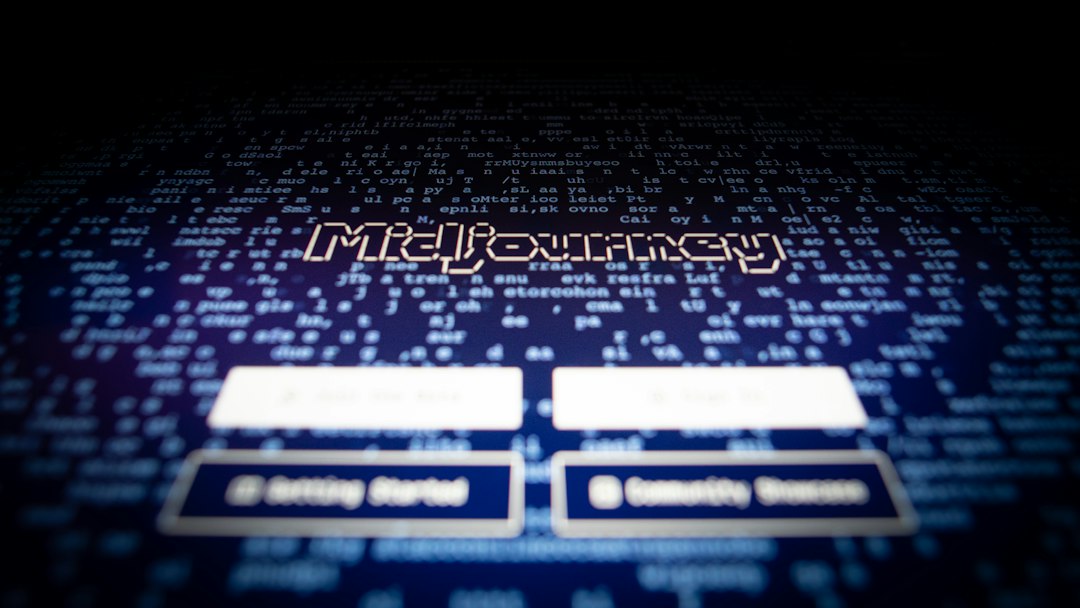
This distinction matters. Midjourney can create images that look isolated. You can prompt for “white background,” “plain studio background,” or “isolated object.” You can also use negative prompting such as “no background.” But the exported image is still a rectangular image. The empty-looking area is still made of pixels.
That is the main reason people get frustrated. They type “transparent background” into Midjourney, get something that looks close, download it, place it on a dark slide, and suddenly a white square appears. Honestly, it feels like the tool is doing 90% of the job and then stopping right before the useful part.
Image not found in postmetaMidjourney: strong image generation, weak transparency control
Midjourney’s strength is image creation. It is very good at making polished visuals from text prompts. It can create mascots, concept art, product scenes, icons, packaging ideas, fantasy objects, and marketing visuals with strong composition.
For background removal, though, it has clear limits:
- No dependable native transparent export: Midjourney does not consistently provide true alpha PNG output from a prompt.
- Prompting is not the same as masking: Asking for “transparent background” may produce a plain background, not transparency.
- Edges can be complex: Fur, hair, smoke, glass, shadows, and fine textures are hard to separate later.
- Generated checkerboards can be fake: Sometimes Midjourney creates a checkerboard pattern as part of the image, which is the opposite of real transparency.
Midjourney is still useful if you plan ahead. Prompt for simple forms, strong silhouettes, clear subject separation, and plain backgrounds. This gives Adobe tools a better starting point. A product on a clean white background is much easier to cut out than a product surrounded by reflections, confetti, plants, and dramatic lighting.
Adobe Firefly and Adobe tools: better for removal and cleanup
Adobe Firefly is built around generative editing and creative production. For actual background removal, many users will touch Adobe Express, Photoshop, or Firefly-powered editing features rather than only text-to-image generation. Adobe’s main edge is that it treats selection, masking, and export as real production tasks.
With Adobe tools, you can remove a background, refine edges, add or remove objects, and export in formats that preserve transparency. That matters for professional work. A content team does not just need a pretty image. It needs a file that behaves correctly in layouts.
Adobe performs better in these common cases:
- Ecommerce images: shoes, bags, bottles, electronics, cosmetics, and small accessories.
- Marketing assets: people, products, mascots, and props for ad layouts.
- Social media graphics: cutout portraits, stickers, thumbnails, and post overlays.
- Presentation images: clean objects placed on branded slides.
The catch is that Adobe removal is not magic either. Hair, transparent plastic, jewelry chains, glass rims, and motion blur still need inspection. Expect to spend extra time on edge cleanup if the original image has noisy backgrounds or low contrast.
Midjourney vs Adobe Firefly: direct comparison
| Task | Midjourney | Adobe Firefly and Adobe tools |
|---|---|---|
| Create original image | Excellent for style and imagination | Good, especially for commercial-style edits |
| True transparent background | Not reliable from prompt alone | Much stronger with background removal and PNG export |
| Edge refinement | Limited after generation | Better selection and masking controls |
| Batch production | Useful for generating options | Better for preparing final assets |
| Best role | Concept and source image creation | Cleanup, removal, and final export |
A practical workflow that works
The best workflow is simple. Do not force Midjourney to do a job it is not built to finish. Use it for the art. Use Adobe for the cutout.
- Generate the subject in Midjourney. Use prompts such as “isolated product,” “plain white background,” “studio lighting,” and “sharp outline.”
- Avoid messy surroundings. Skip smoke, busy rooms, dense foliage, and complex reflections unless they are essential.
- Upscale the best result. Start with the cleanest edge quality you can get.
- Open the image in Adobe Express or Photoshop. Use background removal as the first pass.
- Inspect edges at 100% zoom. Check hair, corners, shadows, handles, and small gaps.
- Export as PNG with transparency. Test it on a dark background before sending it to a client or team.
This process is faster than trying to prompt your way into transparency. In many real content workflows, the Midjourney step may take 5 to 15 minutes for good options. The Adobe removal step may take less than a minute for simple objects, plus a few minutes for cleanup when edges are tricky.
Prompting tips for better cutouts from Midjourney
If your final goal is a transparent background, write the prompt with removal in mind. You are not just asking for beauty. You are asking for separation.
- Use “isolated subject on plain white background” instead of only “transparent background.”
- Ask for “clean silhouette” and “sharp edges.”
- Avoid “dramatic shadows” if you do not want a shadow baked into the cutout.
- Use front view or three quarter view for products and characters.
- Do not request fake checkerboard backgrounds. They can become part of the image.
A good prompt might be: “minimalist 3D robot mascot, friendly expression, isolated on plain white background, clean silhouette, soft studio lighting, sharp edges, no props.” This gives the removal tool a cleaner image to process.
When Adobe should come first
Sometimes you should skip Midjourney entirely. If you already have a real product photo, use Adobe tools directly. That is especially true for catalog images, marketplace listings, staff portraits, and brand-approved photography.
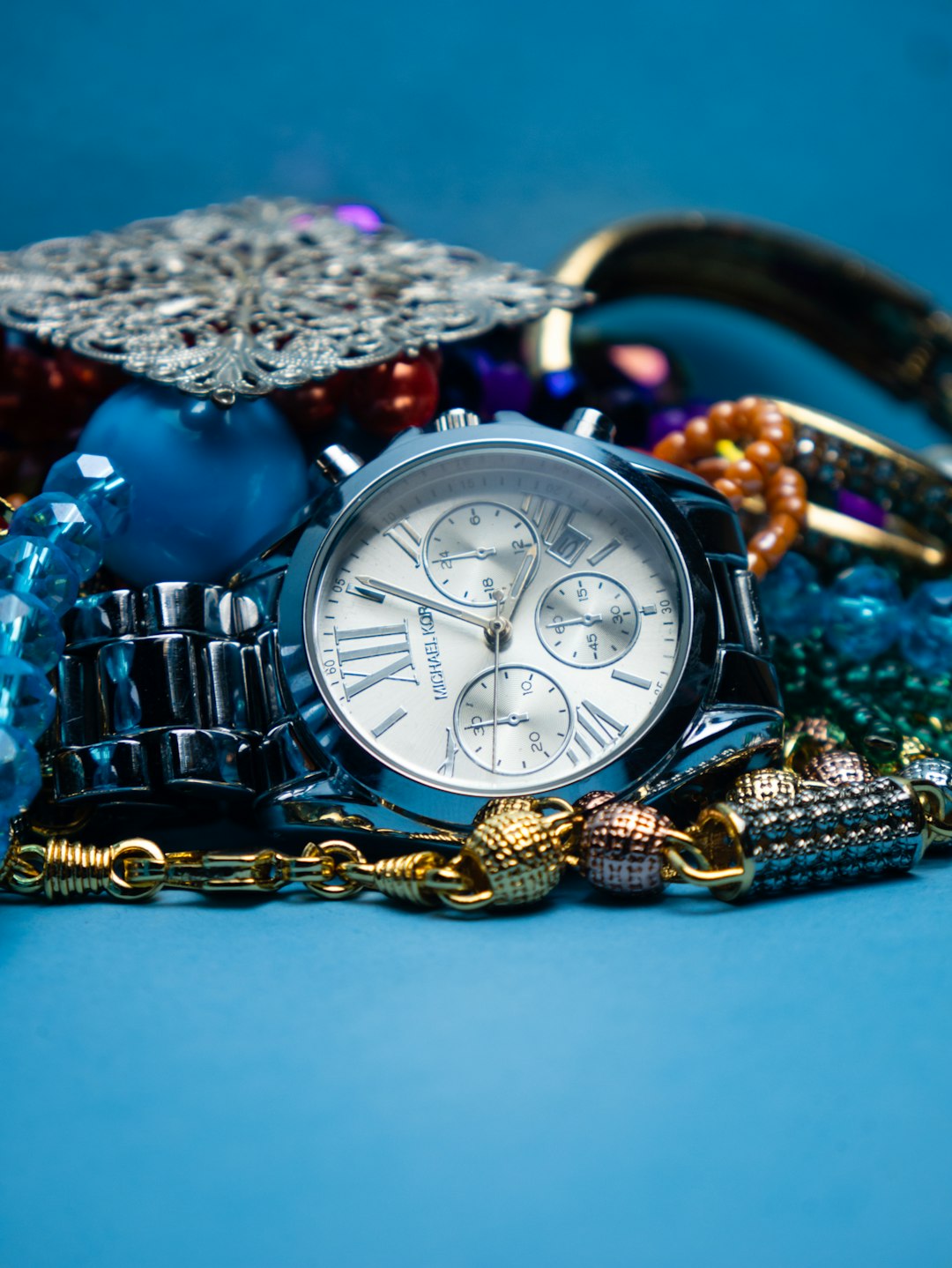
Midjourney can invent details. That is useful for concepts, but risky for real products. A generated shoe may change stitching. A generated bottle may alter label spacing. A generated watch may add buttons that do not exist. For sales pages, those errors can create trust issues.
Which tool should you choose?
Choose Midjourney when you need original visuals, concept art, stylized objects, or fictional characters. It is the stronger creative engine. It gives you variety and polish fast.
Choose Adobe Firefly, Adobe Express, or Photoshop when you need a finished transparent PNG. These tools are better for isolation, masking, edge repair, and export. They fit production work better.
For most people, the right answer is not Midjourney versus Adobe. It is Midjourney plus Adobe. Midjourney gives you the image. Adobe turns it into an asset you can actually place, resize, and reuse without the annoying white box showing up later.
Final recommendation: If transparency is required, do not rely on Midjourney prompting alone. Generate clean source images in Midjourney, then remove the background in Adobe. You will get more predictable files, fewer edge problems, and a much smoother production process.