

Use tweets like tiny campaign assets, not random thoughts tossed into the void. Every post should do one job: get attention, teach something, start a reply, send traffic, or build trust. If it does none of those, save it for the group chat.
TLDR: Post with a clear goal, then reuse your best tweets in smarter formats. For example, if a skincare brand posts a tip that gets 120 likes and 35 saves, turn it into a thread, a short video, and an email subject line. Track simple numbers like replies, clicks, saves, and profile visits. A tweet that gets a 4% engagement rate is usually worth testing again.
Start with one job per tweet
A tweet is small. Do not make it carry a piano.
Pick one goal before you write. This keeps your post sharp. It also makes results easier to read later.
- Awareness: Make people remember your brand.
- Education: Teach one useful thing.
- Traffic: Send people to a page, post, product, or signup form.
- Trust: Share proof, results, reviews, or process.
- Engagement: Ask for opinions, replies, or stories.
Bad tweet: “Check out our new blog post.”
Better tweet: “Most landing pages lose visitors in the first 8 seconds. Here are 3 fixes we use before touching design.”
See the difference? One begs. One helps.
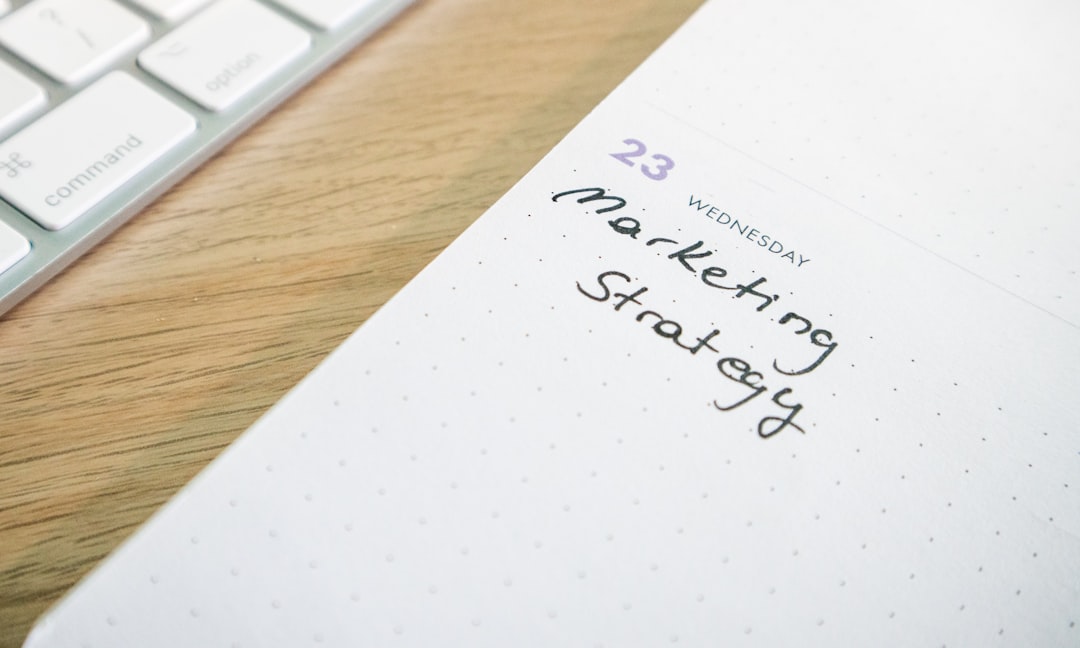
Post with a simple tweet mix
Brands often post too much promo. Then they wonder why the room went silent. People can smell a sales pitch from six Wi Fi signals away.
Use a simple mix instead:
- 40% helpful: Tips, how to posts, quick lessons, checklists.
- 25% human: Behind the scenes, team notes, founder thoughts.
- 20% proof: Case studies, reviews, stats, before and after posts.
- 15% promo: Offers, launches, demos, product features.
This mix keeps your feed useful. It also makes your sales tweets feel less annoying. Yes, people know you sell things. They just do not want every post to tap them on the forehead with a coupon.
Write tweets that stop the scroll
Your first line matters most. Treat it like a tiny billboard. It should create curiosity, show a benefit, or name a problem fast.
Try these starters:
- “Most brands get this wrong…”
- “We tested this for 30 days. Here is what changed.”
- “A simple way to improve…”
- “Your customers do not need more options. They need…”
- “Steal this checklist…”
Keep the rest clean. Short sentences win. One idea per post works best. If you need five paragraphs, make it a thread.
Use white space. It feels lighter. Nobody enjoys reading a brick of text on a phone while waiting for coffee.
Use threads when one tweet is not enough
Threads are great for teaching, storytelling, and proof. Use them when the topic needs steps.
A strong brand thread can follow this shape:
- Hook: Say what the reader will get.
- Problem: Name the pain.
- Steps: Share the process.
- Example: Show it in action.
- Call to action: Ask for a reply, click, or follow.
Example hook: “We rewrote one product page and increased demo clicks by 26%. Here is the exact before and after.”
That is specific. It has a number. It promises value. Much better than “Here are some marketing tips.” That one sounds like a drawer full of old receipts.
Repurpose tweets like a content goblin
One good tweet should not die after 48 hours. That is wasteful. Also, making content from scratch every day is how marketers slowly turn into soup.
Repurpose your top tweets into other formats:
- Turn a high performing tweet into a thread. Add steps, screenshots, and examples.
- Turn a thread into a blog post. Expand each tweet into a section.
- Turn a punchy line into a graphic. Great for Instagram, LinkedIn, and newsletters.
- Turn replies into FAQs. If people ask it often, answer it publicly.
- Turn customer praise into proof posts. Ask permission first. Keep it real.
Simple user case: A small coffee brand tweets, “Our dark roast is for people who think morning should come with a warning label.” It gets 300 likes, 70 shares, and 42 replies. The brand turns it into a mug design, an email subject line, and a short video. The email gets a 38% open rate. Same idea. More value.
Image not found in postmetaEngage before and after you post
Posting is only half the work. The other half is talking back. Annoying, yes. Necessary, also yes.
Spend 10 minutes before posting replying to relevant accounts. Then post. Then stay active for 20 minutes after. This can help early reach because your account looks alive, not like a vending machine with a logo.
Do these daily:
- Reply to customers with useful answers.
- Comment on posts from creators in your niche.
- Thank people who share your content.
- Ask follow up questions.
- Quote tweet smart posts with your own useful take.
Do not use “Great point!” on repeat. It sounds like a bot wearing a tiny office badge. Add something real. Even one extra sentence helps.
Use analytics without making it weird
You do not need a giant dashboard to improve. Track a few numbers each week.
- Impressions: How many times people saw the tweet.
- Engagement rate: Reactions divided by impressions.
- Replies: A sign your idea started a conversation.
- Profile visits: A sign people wanted to know more.
- Link clicks: A sign the tweet drove action.
Here is a basic benchmark. If a tweet gets 10,000 impressions and 400 total engagements, that is a 4% engagement rate. Good. Test that format again. If a tweet gets 10,000 impressions and 8 clicks, the hook may be fine, but the offer may be weak.
The catch is that some analytics tools take extra clicks to show simple data. It drives me crazy when exporting one report takes 30 seconds longer than writing the actual post. Keep your tracking simple if the tool gets clunky.
Build repeatable tweet formats
Formats save time. They also train your audience to expect value from you.
Try these brand friendly formats:
- Myth vs fact: “Myth: More features mean more sales. Fact: Clearer benefits usually win.”
- Before and after: Show a change your brand helped create.
- One mistake: Name a common error and fix it.
- Mini case study: Share the problem, action, and result.
- Question post: Ask something your audience can answer fast.
Save your best formats in a swipe file. Add hooks, examples, and results. This makes next month easier. Future you deserves snacks and fewer blank screens.
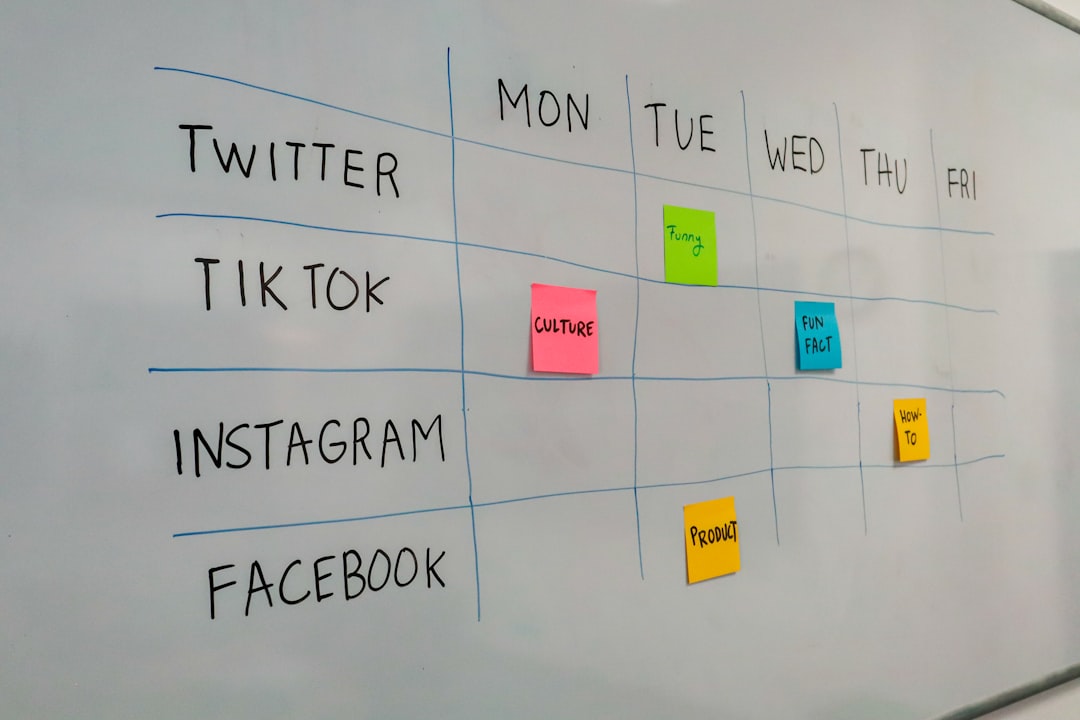
Time your posts, but do not worship the clock
Posting time matters. Content quality matters more. A boring tweet at 9 a.m. is still boring. Sorry.
Start with three posting windows:
- Morning: 8 a.m. to 10 a.m.
- Lunch: 12 p.m. to 2 p.m.
- Evening: 5 p.m. to 7 p.m.
Test for two weeks. Track which window gets more replies and clicks. Then shift your schedule. Do not copy generic advice forever. Your audience has its own habits.
Make calls to action feel natural
Every tweet does not need a hard sell. But many tweets should guide the next step.
Use gentle prompts:
- “Reply with your biggest question.”
- “Save this for your next launch.”
- “Want the full checklist? It is linked in our profile.”
- “Which version would you choose?”
Keep it clear. Keep it low pressure. People like choices. They do not like being shoved.
Keep the brand voice human
Your brand voice should sound like a person with a point of view. Not a policy document. Not a fridge manual.
Use simple words. Share opinions. Admit small mistakes. Celebrate customers. Make useful jokes when they fit. If your audience is serious, stay respectful. If your audience loves sarcasm, use a little. Not a whole bucket.
The best tweet strategy is simple: post with purpose, reuse what works, reply like a human, and track the numbers. Do that every week. Your feed will stop feeling random. Better yet, your audience may start waiting for your next post.