

A social media manager turns business goals into posts, conversations, reports, and campaigns that people actually notice. The role is part strategist, part editor, part analyst, and part customer support agent. A good manager does not just “post on Instagram.” They plan content, watch audience behavior, coordinate creative work, reply to comments, track results, and adjust the plan when something flops.
TLDR: A social media manager plans, creates, publishes, monitors, and reports on social content across platforms such as Instagram, TikTok, LinkedIn, Facebook, X, Pinterest, and YouTube. For example, a small ecommerce brand might run a 30-day product launch campaign where social posts drive 18% more website visits and boost email signups by 12%. The job blends creativity with numbers, because a clever caption means little if it does not support a real goal.
What does a social media manager actually do?
A social media manager owns the public voice of a brand across social channels. That sounds simple. It is not. One hour may be spent editing a short video. The next may involve calming an angry customer in the comments. After that, they might be building a report for the sales team.
The core mission is to make social media useful for the business. That may mean brand awareness, leads, sales, community growth, event attendance, app downloads, or customer retention. The manager connects each post to a purpose.

Main responsibilities
Most social media managers handle a mix of strategy, content, publishing, community work, and measurement. In a larger company, these tasks may be split across a team. In a smaller business, one person may do all of it, which is both impressive and mildly unfair.
- Social strategy: choosing goals, target audiences, platforms, content themes, posting cadence, and success metrics.
- Content planning: building monthly or weekly calendars around launches, holidays, events, trends, and evergreen topics.
- Content creation: writing captions, briefing designers, recording Reels or TikToks, editing short videos, and sourcing images.
- Publishing: scheduling posts, checking formatting, adding tags, testing links, and making sure everything goes live at the right time.
- Community management: replying to comments, answering direct messages, flagging complaints, and encouraging user participation.
- Analytics and reporting: reviewing reach, engagement, clicks, conversions, follower growth, watch time, and cost per result.
- Trend monitoring: spotting useful memes, audio clips, platform updates, competitor moves, and audience shifts.
- Paid social support: helping with ad copy, creative testing, audience ideas, and performance reviews.
Skills a strong social media manager needs
Writing comes first. Social media rewards clear, specific language. A manager must write captions, hooks, replies, bios, briefs, and reports. The best ones can shift tone without sounding fake. A law firm should not sound like a snack brand. A snack brand should not sound like a tax form.
Content judgment matters too. A manager needs to know what deserves a polished video, what works as a quick story, and what should never be posted at all. This judgment saves time and protects the brand.
Analytics skills are no longer optional. Social reports should explain what happened and what to do next. “Engagement went up” is not enough. A useful report says, “Short product demos under 20 seconds had a 6.4% engagement rate, while static product posts averaged 2.1%, so next month should include more quick demos.”
Project management keeps the machine from breaking. Social content depends on product teams, designers, video editors, founders, legal reviewers, retail staff, influencers, and customers. Someone has to keep deadlines clear. Usually, that someone is the social media manager.
Honestly, it feels like some scheduling tools were designed by people who never had to approve 40 posts before lunch. A simple image swap can take 30 seconds in one tool and three minutes in another. Multiply that by five platforms, and the irritation becomes real work time.
What a typical campaign workflow looks like
A campaign usually starts with a business goal. The goal might be to sell a new product, fill seats at a webinar, grow a waitlist, or increase awareness for a cause. Without a clear goal, the campaign becomes a pile of content with no spine.
- Define the goal: Set the target. For example, “Generate 1,000 landing page visits and 150 signups in four weeks.”
- Research the audience: Check customer questions, past post data, reviews, competitor content, and search trends.
- Pick the channels: Choose platforms based on where the audience spends time and what format fits the message.
- Build the concept: Create the campaign angle, key message, visual style, hashtag plan, and content pillars.
- Create the assets: Produce videos, graphics, carousels, stories, captions, landing page copy, and ad versions.
- Schedule and publish: Set dates, confirm approvals, test links, add tracking codes, and post at planned times.
- Engage in real time: Reply to comments, reshare user content, answer questions, and track audience sentiment.
- Measure and optimize: Compare results against the goal, pause weak ideas, boost strong ones, and report learnings.

An example campaign in practice
Imagine a local fitness studio wants to promote a six-week strength program. The social media manager starts by setting a clear target: 80 trial signups in 21 days. They review past posts and find that member transformation stories outperform studio photos by 43% in engagement.
Based on that data, the campaign uses three content themes: member progress, coach tips, and behind-the-scenes class clips. The manager creates short videos for Instagram Reels and TikTok, carousels for Instagram, event posts for Facebook, and a few LinkedIn updates aimed at local professionals.
The first week focuses on awareness. The second week pushes proof, using testimonials and Q&A stories. The final week adds urgency with countdown posts and coach-led live sessions. By the end, the manager tracks link clicks, signups, comments, saves, video completion rates, and cost per signup if ads are involved.
If the campaign brings 96 trial signups, the goal has been beaten by 20%. But the manager still checks quality. Did those signups attend? Did they become paid members? Social performance should connect to business results, not vanity numbers only.
Daily tasks are less glamorous than people think
The job includes plenty of creative work, but daily execution can be messy. Social media managers resize images, fix typos, chase approvals, pull screenshots, answer the same question ten times, and explain why a blurry flyer should not become a grid post.
Expect to waste time on platform quirks. A video that looks sharp in the editing app may upload with crushed audio. A link preview may refuse to refresh. A caption may need different spacing on each platform because, for some reason, consistency is apparently too much to ask.
This is why process matters. Good managers use content calendars, approval flows, asset folders, brand guidelines, naming systems, and reporting templates. These are not boring extras. They stop chaos from eating the week.
How success is measured
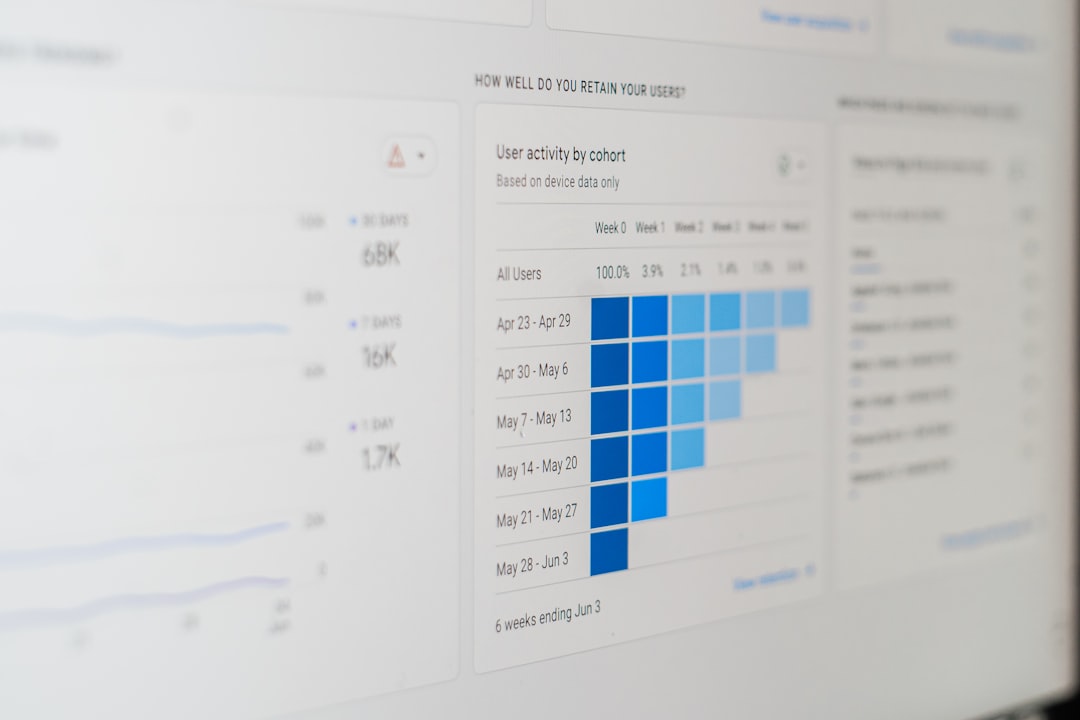
Success depends on the goal. A brand awareness campaign may focus on reach, impressions, video views, follower growth, and share of voice. A lead generation campaign may focus on clicks, conversion rate, form fills, and cost per lead. A community campaign may look at comments, saves, shares, direct messages, and repeat participation.
Common metrics include:
- Reach: how many people saw the content.
- Engagement rate: the percentage of people who interacted with it.
- Click-through rate: how often viewers clicked a link.
- Conversion rate: how many visitors took the desired action.
- Follower growth: how the audience size changed over time.
- Sentiment: whether responses were positive, neutral, or negative.
What separates a good manager from a great one?
A good social media manager posts consistently. A great one knows why each post exists. They understand brand voice, audience psychology, creative testing, and reporting. They can spot when a trend fits and when it would make the brand look desperate.
They also know how to say no. Not every idea belongs on social media. Not every executive quote needs a graphic. Not every holiday requires a post. Strong judgment is one of the most valuable parts of the role.
At its best, social media management is not random posting. It is planned communication with feedback built in. The manager listens, creates, measures, and improves. That cycle is what turns a feed into a useful business channel.