

The food and beverage industry is crowded, but it is also endlessly inventive. While opening another café, burger shop, or smoothie bar can work, the most exciting growth often comes from concepts that solve new consumer problems, blend technology with taste, or serve niche audiences in fresh ways.
TLDR: Uncommon food and beverage businesses with high growth potential often sit at the intersection of health, convenience, sustainability, and personalization. Ideas such as functional ice, zero waste grocery cafés, mushroom based beverages, and cultural micro bakeries can stand out in saturated markets. The strongest opportunities are not just “quirky”; they match changing lifestyles and give customers a reason to return.
1. Functional Ice and Premium Freezer Add Ons
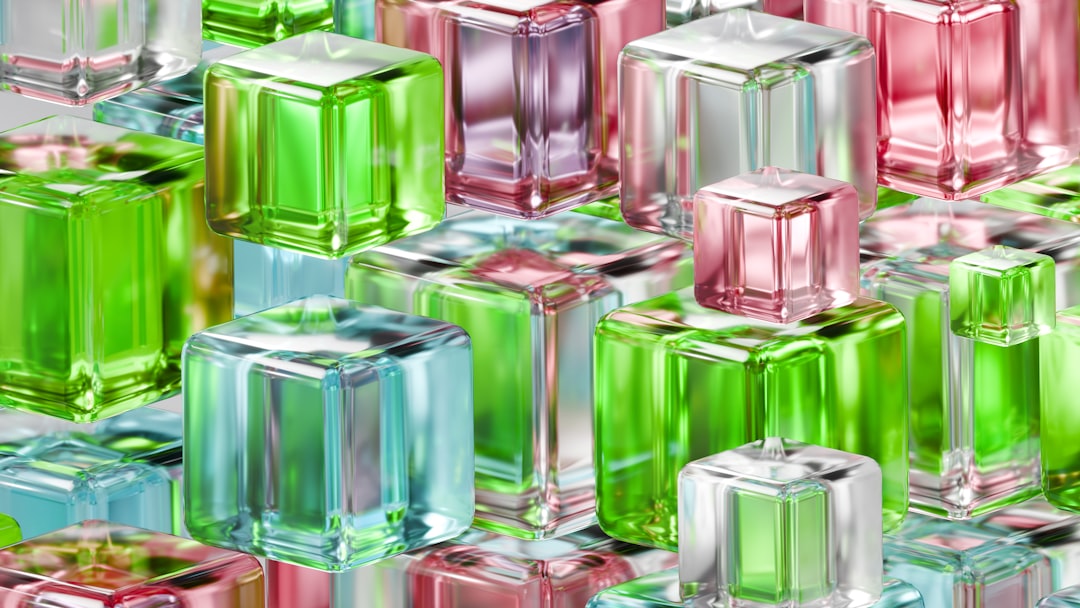
Ice is usually treated as an afterthought, but it can become a product category of its own. Think herbal infused cubes, electrolyte ice, collagen cubes, coffee cubes, cocktail botanicals frozen into clear ice, or fruit juice cubes designed for kids’ drinks. These products can be sold to home entertainers, gyms, hotels, bars, and wellness retailers.
The appeal is simple: consumers want small upgrades that make everyday beverages feel premium. A freezer based product can also have strong margins if produced efficiently and packaged attractively. For example, lemon ginger immunity cubes could be added to sparkling water, while espresso ice cubes could prevent iced coffee from becoming diluted.
2. Low Alcohol and No Alcohol Tasting Rooms
The rise of “sober curious” lifestyles has created demand for adult beverages without the heavy effects of alcohol. A dedicated tasting room for non alcoholic cocktails, botanical spirits, dealcoholized wines, shrubs, kombucha blends, and fermented sodas could appeal to professionals, health focused consumers, pregnant customers, athletes, and anyone seeking a social experience without intoxication.
This is more than serving mocktails. The business can host pairing dinners, mixology workshops, bottle subscriptions, and corporate events. Because many cities still have limited options in this category, a well designed no alcohol bar can quickly become a destination brand.
3. Cultural Micro Bakeries
Instead of competing with traditional bakeries, entrepreneurs can focus on specific regional or heritage baked goods. Examples include Filipino ensaymada, Brazilian pão de queijo, Japanese melon pan, Georgian khachapuri, Lebanese manakish, Mexican conchas, or South African rusks. These products are often beloved by diaspora communities and intriguing to adventurous food lovers.
A micro bakery can start from a cloud kitchen, farmers market stall, or weekly preorder model. The key is storytelling: customers should learn where the item comes from, how it is eaten, and why it matters culturally. This emotional connection can create a loyal audience and strong social media appeal.
4. Mushroom Based Beverage Brands
Mushrooms are no longer limited to soup and stir fry. Functional mushrooms such as lion’s mane, reishi, chaga, and cordyceps are increasingly used in coffee alternatives, sparkling drinks, wellness shots, and hot chocolate blends. A mushroom beverage business can target consumers looking for energy, focus, calm, or immune support without relying solely on caffeine.
To succeed, the brand must make the product approachable. Many people are curious but hesitant, so flavors such as cacao mint, vanilla chai, berry hibiscus, or cold brew mocha can help reduce the “earthy” perception. Clear labeling and responsible claims are essential; instead of promising miracles, focus on taste, ritual, and lifestyle benefits.
5. Zero Waste Grocery Café
A zero waste grocery café combines package free shopping with ready to eat food. Customers can buy bulk grains, refill oils, purchase local produce, and also enjoy meals made from surplus ingredients. The café side might serve soups, grain bowls, baked goods, smoothies, and preserves created from items that would otherwise be discarded.
This model appeals to eco conscious shoppers and can build multiple revenue streams: grocery sales, prepared food, workshops, reusable container programs, and local supplier partnerships. It also gives the business a strong mission, which is increasingly important to younger consumers.
6. Personalized Nutrition Meal Kiosks
Meal prep companies are common, but personalized nutrition kiosks are still uncommon in many markets. These small retail units or smart vending stations could offer meals based on customer goals: high protein, low glycemic, vegan, gut friendly, post workout, or heart healthy. Customers might scan a QR code, select preferences, and receive a chilled meal with transparent nutrition details.
Locations with high potential include gyms, hospitals, universities, corporate offices, airports, and apartment buildings. The growth opportunity lies in combining convenience with trust. People want fast food that does not feel like a compromise.
7. Upcycled Ingredient Snack Brands
Food production creates huge byproducts that are still nutritious and flavorful. Upcycled snacks can be made from ingredients such as fruit pulp, spent grain from breweries, okara from soy milk production, vegetable peels, imperfect produce, or cacao fruit. These ingredients can become crackers, granola, chips, protein bars, cookies, and baking mixes.
The business case is compelling because suppliers may offer these inputs at lower cost, while consumers increasingly support brands that reduce waste. The challenge is making the product taste excellent first. Sustainability attracts attention, but flavor drives repeat purchases.
8. Savory Beverage Concepts
Most packaged drinks are sweet, citrusy, or caffeinated. A savory beverage brand can stand out by offering flavors inspired by broths, herbs, vegetables, seaweed, spices, or culinary traditions. Examples include chilled gazpacho shots, miso ginger sipping broth, tomato basil sparkling drinks, cucumber dill tonics, or turmeric black pepper broth cups.
This category could appeal to customers seeking low sugar options, meal replacements, or comforting beverages. Savory drinks may perform especially well in wellness stores, office pantries, specialty grocers, and subscription boxes.
9. Edible Tableware and Culinary Packaging
Edible packaging is still emerging, but it has strong potential as restaurants, events, and delivery businesses look for ways to reduce waste. Products could include edible spoons, tortilla bowls, seaweed condiment sachets, rice paper wrappers, chocolate cups, or flavored biscuit straws.
The most viable approach is to begin with a niche market. For instance, edible coffee stirrers could be sold to cafés, while edible tasting spoons could serve ice cream shops or catering companies. The product must be practical, durable, safe, and genuinely enjoyable to eat.
10. Hyper Local Fermentation Studios
Fermentation has moved beyond kombucha. A fermentation studio can produce small batch kimchi, sauerkraut, hot sauces, pickles, kefir, miso, tempeh, vinegar, and fermented fruit condiments. What makes the concept more uncommon is a focus on local produce and seasonal flavor experimentation.
Imagine strawberry basil vinegar in summer, smoked carrot hot sauce in autumn, or apple fennel kraut in winter. Workshops can become an important revenue stream, teaching customers how fermentation works and how to use the products in everyday cooking.
How to Choose the Right Uncommon Idea
Not every unusual concept is a good business. Before launching, evaluate whether the idea has enough demand, clear pricing, reliable supply, and a realistic production process. A strong concept should be easy to explain in one sentence and attractive enough for customers to try without too much education.
- Look for repeated behavior: Does the product fit into a daily or weekly routine?
- Test before scaling: Use pop ups, preorders, markets, or limited drops.
- Build around a niche: Start specific, then expand once loyalty grows.
- Make branding clear: Uncommon should still feel understandable and trustworthy.
- Prioritize taste: Novelty may win the first purchase, but flavor wins the second.
Final Thoughts
The next wave of food and beverage growth will likely come from businesses that feel both fresh and useful. Consumers are open to experimentation, but they still want convenience, quality, value, and a connection to something meaningful. Whether the idea is functional ice, mushroom drinks, edible packaging, or a cultural micro bakery, the best opportunities turn curiosity into habit. For entrepreneurs willing to test carefully and tell a compelling story, uncommon concepts can become highly scalable brands.