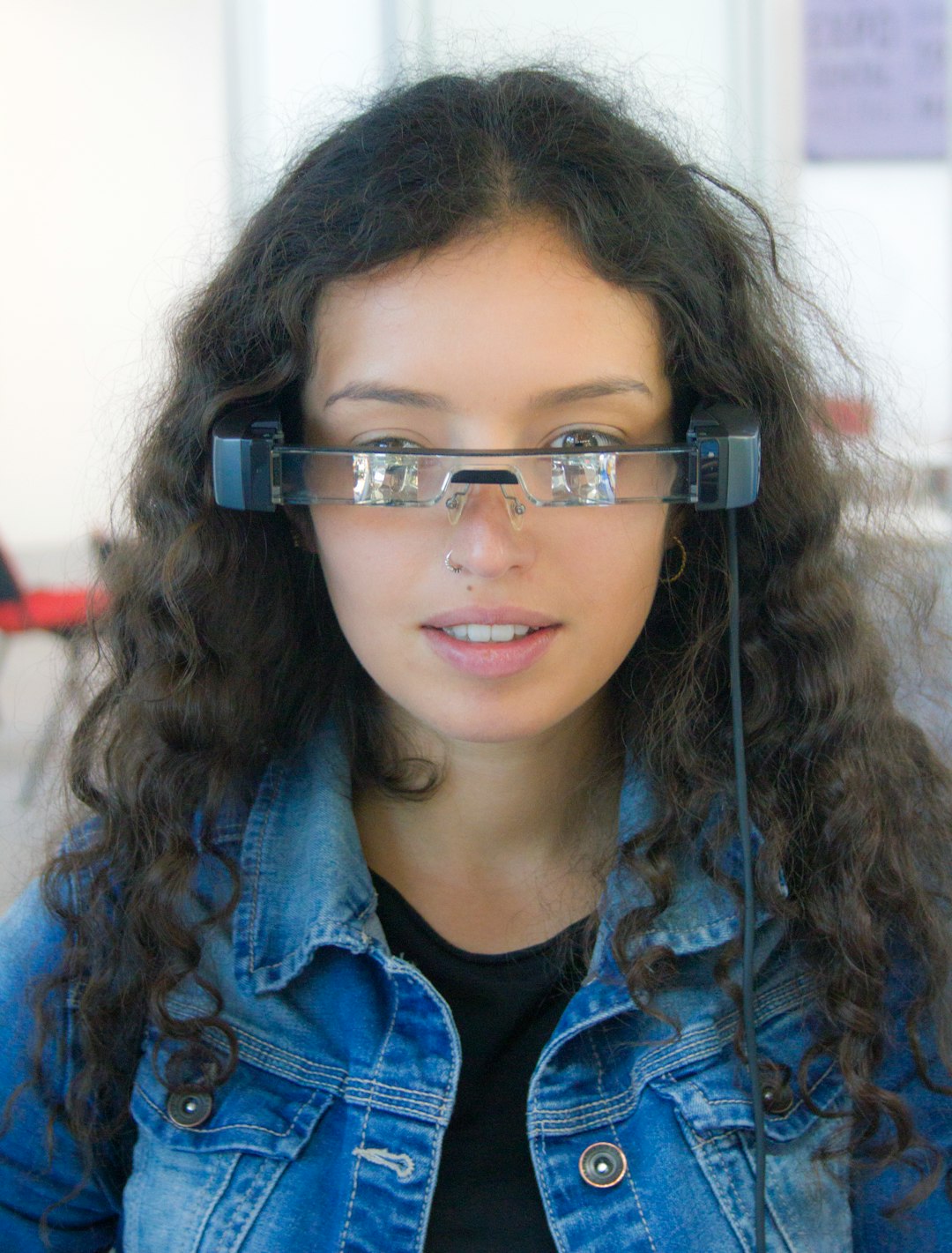

Augmented reality is moving from novelty to operational technology. Retailers use it to reduce product uncertainty, manufacturers use it to improve training and maintenance, healthcare providers use it to support visualization, and real estate firms use it to make spaces easier to understand before they are built or visited. For organizations planning to invest in this capability, choosing the right augmented reality application development company is a strategic decision that affects product quality, user adoption, security, scalability, and long-term return on investment.
TLDR: An augmented reality application development company helps businesses design, build, test, and maintain AR solutions for mobile devices, smart glasses, web platforms, and enterprise systems. The best partner should combine technical expertise, industry knowledge, strong UX design, reliable project management, and post-launch support. Before selecting a company, evaluate its portfolio, development process, data protection standards, and ability to deliver measurable business value. A serious AR investment should be treated as a long-term digital product, not a one-time visual experiment.
What an Augmented Reality Application Development Company Does
An augmented reality application development company creates software that overlays digital content onto the physical world. This content may include 3D models, instructions, animations, measurements, product previews, navigation cues, or contextual business data. Unlike traditional mobile or web applications, AR solutions must understand surfaces, lighting, scale, camera input, user movement, and sometimes location or object recognition.
A professional AR development company typically provides a combination of consulting, product strategy, UX and UI design, 3D asset preparation, software engineering, backend development, testing, deployment, and maintenance. In more advanced projects, the company may also integrate AR applications with existing enterprise systems such as inventory platforms, CRM software, learning management systems, ERP tools, or product information databases.
The role of the development partner is not simply to “make something look impressive.” A trustworthy company should ask why AR is needed, what business problem it should solve, which users will benefit, and how success will be measured. Serious AR development begins with a clear purpose.

Why Businesses Invest in Augmented Reality
Organizations adopt AR because it can reduce friction between information and action. Traditional digital interfaces often require users to interpret data separately from the physical environment. AR can place that information exactly where it is needed.
Common business benefits include:
- Improved customer confidence: Shoppers can preview furniture, cosmetics, eyewear, vehicles, or home improvements before making a purchase.
- Reduced training time: Employees can learn procedures through guided visual instructions rather than relying only on manuals or classroom sessions.
- Fewer operational errors: Technicians can receive step-by-step overlays during maintenance, assembly, inspection, or repair tasks.
- Stronger sales presentations: Complex products can be demonstrated in 3D, helping prospects understand value faster.
- Better remote collaboration: Experts can guide field staff with visual annotations, reducing travel and downtime.
- Higher engagement: AR experiences can make brand interactions more memorable when designed with purpose and restraint.
However, AR is not appropriate for every use case. A reputable augmented reality application development company will be honest about when AR adds value and when a simpler solution is more practical. This honesty is one of the clearest signs of a reliable partner.
Core Services Offered by AR Development Companies
While each company may have its own specialization, most established AR development firms offer several core services.
1. AR Strategy and Product Planning
Before development begins, the company should help define project goals, user groups, technical requirements, market context, and success metrics. This stage may include workshops, feasibility studies, competitor research, device analysis, and cost estimation. The output should be a practical roadmap, not a vague creative concept.
2. UX and UI Design for AR Experiences
AR user experience requires careful design. Users may be moving, holding a device, scanning the environment, or interacting with physical objects. Interfaces must be intuitive, safe, and visually clear. Good AR design avoids clutter and focuses on the information that matters in the moment.
For example, an industrial AR maintenance app should prioritize clarity, precision, and safety over entertainment. A retail AR try-on app, by contrast, may prioritize realism, speed, and ease of sharing.
3. 3D Modeling and Asset Optimization
Many AR applications rely on 3D models. These assets must look accurate while remaining optimized for real-time performance. A high-quality model that slows the application or drains battery life can damage the user experience. Professional AR developers understand polygon reduction, texture compression, lighting, materials, and animation workflows.
4. Mobile, Web, and Smart Glasses Development
AR applications may be built for iOS, Android, web browsers, tablets, headsets, or wearable devices. Development teams commonly work with frameworks such as ARKit, ARCore, Unity, Unreal Engine, WebXR, and related computer vision technologies. The right platform depends on the intended audience, required features, budget, and deployment environment.
5. Backend and System Integration
Enterprise AR solutions often require backend infrastructure. This may include user authentication, content management, analytics, product databases, cloud storage, APIs, and role-based access. For corporate use, integration is often as important as the AR experience itself.
6. Quality Assurance and Field Testing
AR testing is more complex than standard app testing because real-world conditions vary. Lighting, room size, device quality, internet connection, camera performance, and user movement can affect results. A serious development company should test across multiple devices and environments.
Industries That Benefit from AR Application Development
Augmented reality can serve many sectors, but the strongest results usually appear where visual context improves decision-making.
- Retail and eCommerce: Product visualization, virtual try-ons, interactive packaging, and in-store navigation.
- Manufacturing: Assembly instructions, quality control, equipment maintenance, and worker training.
- Healthcare: Anatomy visualization, patient education, medical training, and procedural planning support.
- Real estate and construction: Property visualization, architectural previews, site planning, and progress documentation.
- Education: Interactive learning models for science, history, engineering, and vocational training.
- Automotive: Vehicle visualization, repair guidance, showroom experiences, and driver assistance concepts.
- Logistics: Warehouse picking, package scanning, route guidance, and inventory support.
Each industry has its own compliance, usability, and operational requirements. For this reason, companies should look for an AR development partner that understands the relevant business environment, not only the technology.
How to Choose a Trustworthy AR Development Company
Selecting an augmented reality application development company requires more than comparing prices. AR projects involve strategy, design, engineering, and ongoing support. A poor choice can lead to delays, unstable performance, confusing user experiences, or expensive redevelopment later.
Important evaluation criteria include:
- Relevant portfolio: Review completed AR projects that are similar in complexity, industry, or platform.
- Technical capability: Confirm experience with ARKit, ARCore, Unity, Unreal Engine, WebXR, cloud services, and device-specific constraints.
- Business understanding: The team should be able to connect AR features with measurable outcomes.
- Transparent process: Look for clear discovery, prototyping, development, testing, deployment, and maintenance phases.
- Security practices: Ask about data protection, user permissions, secure APIs, encryption, and compliance needs.
- Communication standards: Reliable reporting, documented decisions, and accessible project managers are essential.
- Post-launch support: AR applications need updates as devices, operating systems, and business requirements change.
A responsible company will also be realistic about timeline and budget. If a proposal sounds unusually cheap or promises complex AR features in an unrealistically short period, it deserves careful scrutiny.
The Development Process: From Concept to Launch
Although processes vary, a disciplined AR development project usually follows several stages.
- Discovery: The team identifies goals, users, constraints, technical requirements, and business priorities.
- Concept validation: A prototype or proof of concept is created to test feasibility and core interaction patterns.
- UX and technical architecture: Designers and engineers define user flows, system architecture, data requirements, and platform choices.
- Asset creation: 3D models, animations, interface elements, and visual content are prepared and optimized.
- Development: Frontend AR functionality, backend systems, integrations, and administrative tools are built.
- Testing: The application is tested for usability, performance, stability, tracking accuracy, device compatibility, and security.
- Deployment: The solution is released through app stores, enterprise distribution, web deployment, or internal systems.
- Maintenance: The company monitors performance, fixes issues, updates content, and improves features over time.
This structured approach reduces risk. It also gives stakeholders opportunities to review progress before major investments are locked in.
Key Technologies Behind AR Applications
Modern AR applications depend on a mix of technologies. Computer vision allows the software to interpret camera input. Simultaneous localization and mapping, often known as SLAM, helps the application understand surroundings and track movement. Depth sensing improves placement and realism, especially on compatible devices. Cloud services allow dynamic content, analytics, and multi-user experiences.
Some AR applications use marker-based tracking, where the system recognizes a specific image, QR code, or physical marker. Others use markerless tracking, which detects surfaces and spatial features without a predefined marker. Location-based AR uses GPS, beacons, or mapping data to display content in specific places.
The best technology choice depends on the use case. A museum guide, industrial repair tool, retail product preview, and multiplayer training simulation may all require different technical foundations.

Cost Factors in AR Application Development
The cost of building an AR application depends on complexity. A simple product visualization app may require fewer resources than an enterprise platform with user management, analytics, integrations, advanced 3D assets, and smart glasses support.
Major cost drivers include:
- Number of supported platforms and devices
- Complexity and quantity of 3D models
- Need for backend infrastructure
- Integration with existing systems
- Tracking requirements and environmental complexity
- Security, compliance, and user management needs
- Level of testing required across real-world conditions
- Ongoing maintenance and content updates
Organizations should not treat AR purely as a marketing expense unless the project is limited to a campaign. In many cases, AR is a product, training tool, sales platform, or operational system. Budgeting should include planning, development, launch, support, and improvement.
Common Mistakes to Avoid
Businesses often face difficulty with AR when they focus too much on visual impact and not enough on practical use. A polished 3D experience may still fail if users do not understand how to launch it, why it matters, or what action to take next.
Common mistakes include:
- Starting without clear objectives: AR should solve a defined problem.
- Ignoring device limitations: Performance varies across smartphones, tablets, and wearables.
- Overloading the interface: Too much digital content can confuse users.
- Underestimating content maintenance: Product data, 3D assets, and instructions may need regular updates.
- Skipping user testing: Real users often interact with AR differently than internal teams expect.
- Neglecting analytics: Without measurement, it is difficult to prove ROI or improve the experience.
What Defines a Serious AR Development Partner
A serious augmented reality application development company behaves like a technology partner, not just a vendor. It explains trade-offs, documents requirements, provides realistic estimates, and challenges assumptions when necessary. It also considers the complete product lifecycle: strategy, design, engineering, deployment, measurement, and support.
Trustworthy companies are usually willing to begin with a discovery phase or prototype rather than immediately pushing a full-scale build. This approach protects both the client and the development team by confirming feasibility early. It also helps clarify which features are essential and which can wait for later versions.
Professionalism is also visible in communication. Clear timelines, defined responsibilities, regular demonstrations, transparent issue tracking, and written documentation all reduce uncertainty. In AR development, where technical and creative decisions are closely connected, disciplined communication is especially important.
The Future of AR Application Development
The AR market is expected to continue maturing as devices become more capable and users become more familiar with spatial interfaces. Improvements in smart glasses, artificial intelligence, 5G connectivity, spatial mapping, and cloud rendering will expand what AR applications can do. At the same time, users will expect faster performance, better realism, stronger privacy protections, and simpler interactions.
Companies that invest thoughtfully today can build internal knowledge, digital assets, and customer experiences that become more valuable over time. However, success will depend on choosing development partners that understand both innovation and responsibility.
Conclusion
An augmented reality application development company can help transform the way people shop, learn, work, train, and make decisions. The right partner brings together technical skill, design judgment, business awareness, and long-term reliability. For organizations considering AR, the priority should not be to create a flashy feature, but to build a useful, stable, secure, and measurable digital product.
By evaluating portfolios, asking serious technical questions, confirming industry understanding, and insisting on a structured development process, businesses can reduce risk and increase the likelihood of meaningful results. Augmented reality has significant potential, but that potential is realized only when strategy and execution are handled with discipline.