

Insurance can feel like a giant umbrella in a very windy storm. It protects people, businesses, cars, homes, ships, farms, and even odd things like celebrity voices. But here is the funny part. Insurance companies also need protection. They must make sure they have enough money set aside to pay future claims. That is where the Liability Adequacy Test, or LAT, comes in.
TLDR: A Liability Adequacy Test checks if an insurance company has enough reserves to pay future policy claims. It compares expected future cash outflows with the value of liabilities already recorded. If the reserves are too low, the company must increase them. The best LAT process is clear, data driven, well documented, and reviewed often.
What Is a Liability Adequacy Test?
A Liability Adequacy Test is like checking the fuel before a long road trip. You do not want to discover halfway through the desert that the tank is empty.
For an insurance company, the “fuel” is the money set aside for future claims. These are called insurance liabilities or technical reserves. The company promises to pay claims in the future. So it must check if the current reserve amount is enough.
The LAT asks one simple question:
“Do we have enough money recorded today to cover what we expect to pay tomorrow?”
If the answer is yes, great. Everyone can breathe. If the answer is no, the company must record an extra liability. This is often called a deficiency reserve.
Why Is the LAT So Important?
The LAT is not just an accounting chore. It is a safety check. It helps protect policyholders, regulators, investors, and the insurance company itself.
Imagine an insurer sells thousands of health policies. People pay premiums today. But many medical claims may happen later. Some claims may be bigger than expected. Some may arrive late. Some may be disputed. That is a lot of uncertainty.
A strong LAT helps the company avoid nasty surprises. It also helps leaders make better decisions.
Here are the biggest reasons it matters:
- It protects policyholders. Claims can be paid when they are due.
- It keeps financial statements honest. Liabilities are not understated.
- It supports regulatory trust. Supervisors like clear reserve testing.
- It improves business planning. Pricing and risk choices become smarter.
- It reduces shock losses. Bad news is caught earlier.
Step 1: Define the Scope
Start by deciding what will be tested. This sounds basic. But it is very important.
An insurer may have many types of policies. Life insurance. Motor insurance. Health insurance. Property insurance. Travel insurance. Reinsurance contracts. Each group may behave differently.
The company should decide the right level for the LAT. This may be by portfolio, product type, legal entity, or reporting segment. The goal is to group similar risks together.
For example, motor insurance should not be mixed blindly with long term life insurance. They have different claim patterns. They have different timelines. They also have different risks.
A good scope should answer these questions:
- Which insurance contracts are included?
- Which portfolios will be tested together?
- What accounting standard applies?
- What reporting date is being tested?
- Who owns the process?
Think of scope like drawing the lines on a sports field. If the lines are messy, the game gets messy too.
Step 2: Gather Clean and Complete Data
Data is the main ingredient in the LAT soup. If the data is bad, the soup tastes strange.
The company needs data on premiums, claims, expenses, policy counts, dates, commissions, lapses, renewals, and recoveries. It may also need information about inflation, interest rates, and reinsurance.
Clean data means the numbers are accurate. Complete data means important details are not missing.
Bad data can lead to bad reserve decisions. That can be expensive. Very expensive.
Useful data checks include:
- Reconcile data to accounting records.
- Check missing fields like policy dates or claim amounts.
- Remove duplicates where needed.
- Review unusual values such as negative claims.
- Confirm cut off dates for the reporting period.
Small data errors can grow into big reserve problems. So treat data like a VIP guest. Give it attention.
Step 3: Estimate Future Cash Flows
This is the heart of the LAT. The insurer estimates what cash will go out and what cash may come in.
Future cash outflows can include claim payments, claim handling costs, administration expenses, commissions, and policy servicing costs. Future cash inflows may include future premiums and reinsurance recoveries, depending on the contract and accounting rules.
The company must be realistic. Not too cheerful. Not too gloomy. Just sensible.
Common cash flow items include:
- Expected claim payments for reported and unreported claims.
- Claims handling expenses paid to process claims.
- Maintenance expenses for managing policies.
- Future premiums if allowed under the method used.
- Reinsurance recoveries from reinsurers.
- Taxes or levies linked to insurance contracts.

For short term insurance, cash flows may be projected over months or a few years. For life insurance, the projection may run for decades. That is a long movie. Actuaries bring the popcorn.
Step 4: Choose Sensible Assumptions
Assumptions are educated guesses. They help the company estimate the future.
No one can see the future perfectly. If they could, insurance would be a very boring business. But insurers can use history, trends, expert judgment, and market data.
Important assumptions may include:
- Claim frequency: how often claims happen.
- Claim severity: how large claims are.
- Inflation: how costs may rise.
- Expenses: how much it costs to run policies.
- Lapse rates: how many customers cancel.
- Mortality or morbidity: for life and health business.
- Discount rates: used to value future money today.
Assumptions should be checked against recent experience. If car repair costs jumped this year, the model should know. If medical inflation is climbing, the LAT should not nap.
Good assumptions are transparent. They are documented. They are approved. They are not picked because they make the result look nice.
Step 5: Apply Discounting Where Appropriate
Money today is not the same as money tomorrow. This is why discounting exists.
If an insurer expects to pay a claim in five years, the present value of that payment may be lower than the actual future payment. Discounting turns future cash flows into today’s value.
The discount rate should be suitable for the liability. It should follow the relevant accounting standard. It should also reflect the timing and nature of cash flows.
For very short tail business, discounting may have a small impact. For long tail claims or life insurance, it can be huge.
Discounting is like using a time machine for money. But it must be used carefully. Time machines are powerful things.
Step 6: Include Risk and Uncertainty
Insurance is full of surprises. Some are tiny. Some wear big boots.
A best practice LAT should consider uncertainty. Actual claims may be higher than expected. Expenses may rise. Court awards may increase. Natural disasters may happen. Policyholders may behave differently.
Depending on the accounting framework, the company may include a specific risk adjustment, margin, or provision for adverse deviation. The exact method can vary. But the idea is similar.
The insurer should ask:
- What if claims are worse than expected?
- What if inflation rises faster?
- What if more policyholders stay than planned?
- What if reinsurance recovery is delayed?
- What if expenses are higher?
This does not mean panic. It means being prepared. Like carrying an umbrella when the sky looks dramatic.
Step 7: Compare Liabilities With Carrying Amounts
Now comes the big comparison.
The insurer compares the estimated value of future obligations with the liabilities already recorded in the financial statements. This recorded number is called the carrying amount.
If the carrying amount is enough, the LAT passes. Happy dance. Small one. This is still accounting.
If the carrying amount is not enough, the LAT fails. The company must recognize the shortfall as an additional liability. This increases expenses and reduces profit.
Here is the simple version:
- Estimated future liability is lower than recorded liability: no extra reserve needed.
- Estimated future liability is higher than recorded liability: record the difference.
This step must be done carefully. It should be reviewed by actuarial, finance, and risk teams.
Step 8: Run Sensitivity Tests
Sensitivity testing is the “what if” game. It is fun, but with spreadsheets.
The company changes key assumptions to see how the LAT result moves. For example, what happens if claims increase by 5 percent? What happens if inflation rises by 2 percent? What happens if discount rates fall?
This helps management see which assumptions matter most. It also shows how close the company is to a reserve shortfall.
Good sensitivity tests may include:
- Higher claim severity.
- Higher claim frequency.
- Lower discount rates.
- Higher expense inflation.
- Lower reinsurance recoveries.
- Higher lapse rates for some products.
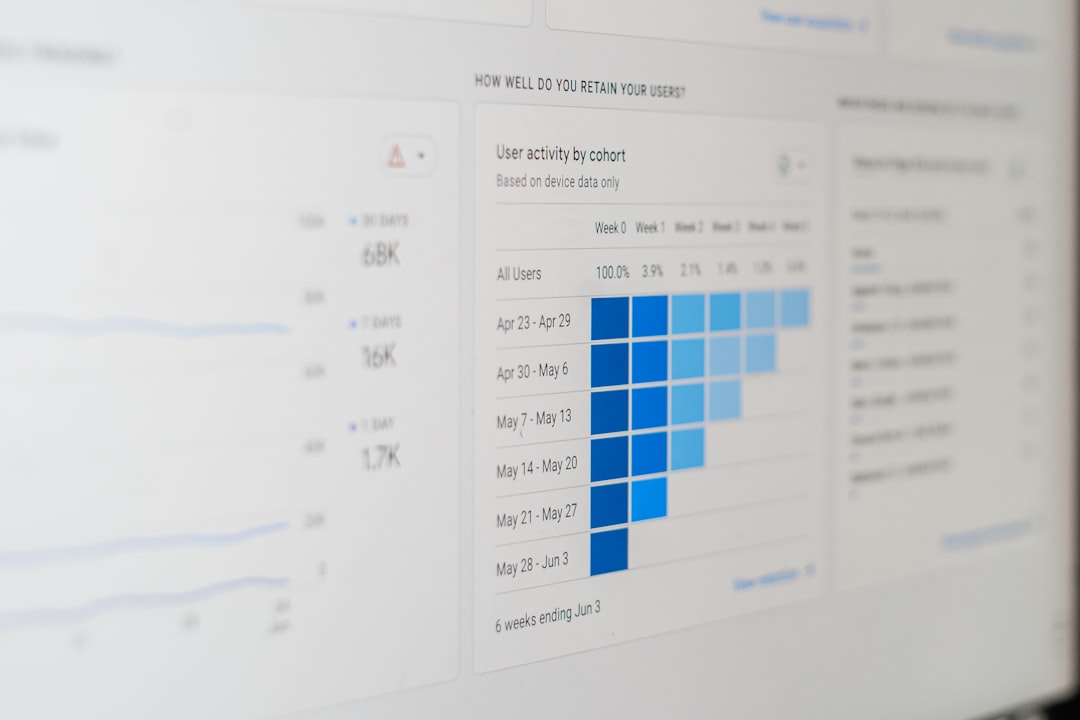
Sensitivity testing makes hidden risks visible. It turns fog into a weather report.
Step 9: Review Governance and Controls
A LAT is not just a model. It is a process. And every good process needs controls.
There should be clear roles. Actuaries may build assumptions. Finance may check accounting treatment. Risk teams may challenge the results. Senior management may approve the final outcome.
Strong governance includes:
- Clear ownership of each step.
- Independent review of models and assumptions.
- Approval records from the right committees.
- Version control for models and files.
- Audit trails for data changes.
- Policy documents explaining the LAT method.
This may sound boring. But it is the boring stuff that saves companies during audits. Governance is the seatbelt. You hope you do not need it. But you wear it anyway.
Step 10: Document Everything
If it is not documented, it may as well have been written on a napkin in invisible ink.
Documentation should explain the LAT method, data sources, assumptions, calculations, judgments, results, limitations, and approvals. It should also explain changes from the previous period.
Good documentation helps auditors. It helps regulators. It also helps future employees who inherit the model and wonder, “Why did they do that?”
A strong LAT report should include:
- Executive summary.
- Scope of testing.
- Data description and checks.
- Key assumptions.
- Methodology.
- Results by portfolio.
- Sensitivity analysis.
- Management actions.
- Approvals and sign offs.
Documentation is the story behind the numbers. Make it clear. Make it readable. Make it useful.
Step 11: Take Action When There Is a Deficiency
If the LAT shows that liabilities are not adequate, the company must act. First, it records the extra liability. That is the accounting part.
But smart companies go further. They ask why the deficiency happened.
Maybe pricing is too low. Maybe claim costs are rising. Maybe expenses are too high. Maybe the product design is weak. Maybe reinsurance is not strong enough.
Possible actions include:
- Increase reserves.
- Review pricing.
- Improve underwriting.
- Change product terms.
- Buy better reinsurance.
- Reduce expenses.
- Monitor claims more closely.
A failed LAT is not just bad news. It is also a signal. It says, “Look here. Something needs attention.”
Step 12: Repeat Regularly
The LAT is not a one time event. Insurance risks change. Markets change. Courts change. Weather changes. People change. Even repair bills seem to wake up and choose chaos.
Most companies perform the LAT at each reporting date. Some also run internal tests more often. This is useful when a portfolio is volatile or rapidly growing.
Regular testing helps the company stay alert. It also makes year end reporting smoother. No one enjoys last minute reserve panic. Not even accountants. Especially not accountants.
Common Mistakes to Avoid
Even good companies can trip. Here are common LAT mistakes:
- Using old assumptions. Yesterday’s claim trends may not fit today.
- Ignoring expenses. Claims are not the only cash outflow.
- Poor data checks. Dirty data can fool the model.
- Weak documentation. Auditors need evidence, not memories.
- No sensitivity testing. One result is not enough.
- Overly optimistic views. Hope is not an actuarial method.
- Lack of review. Fresh eyes catch mistakes.
Simple Best Practice Checklist
Here is a quick and friendly checklist for a strong LAT:
- Define the portfolios clearly.
- Collect complete and reliable data.
- Project realistic future cash flows.
- Use current and supportable assumptions.
- Apply proper discounting.
- Include risk and uncertainty.
- Compare results with recorded liabilities.
- Run sensitivity tests.
- Review through strong governance.
- Document the full process.
- Record any deficiency.
- Improve the business based on findings.
Final Thoughts
The Liability Adequacy Test may sound technical. But the main idea is simple. An insurance company must check that it has enough money set aside for future promises.
A good LAT is like a financial health check. It spots weak reserves. It highlights risky assumptions. It helps leaders make better choices. It also keeps policyholders safer.
The best LAT steps are not magic. They are practical. Define the scope. Clean the data. Estimate cash flows. Choose fair assumptions. Test uncertainty. Compare the numbers. Document everything.
Do these steps well, and the LAT becomes more than a compliance task. It becomes a smart business tool. It helps the insurer stay strong, honest, and ready for stormy days. And in insurance, stormy days are exactly what the umbrella is for.