
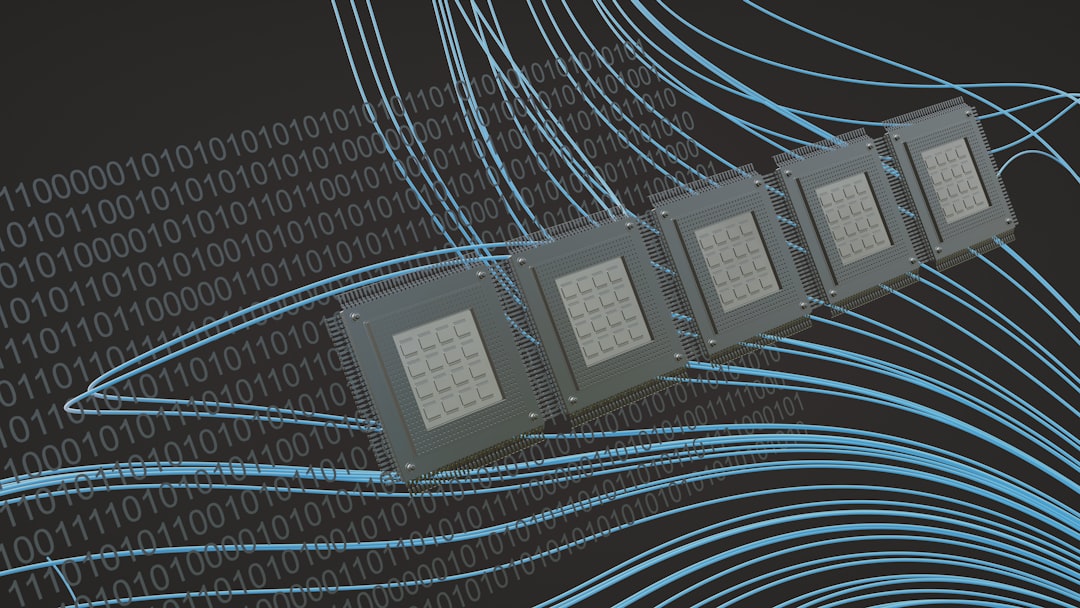

Once upon a time in the fast-evolving world of computing, Intel released a processor that helped change the game: the Yorkfield. It wasn’t just another chip—it was something special in its era.
TL;DR: The Yorkfield processor was part of Intel’s Core 2 Quad family, launched in the late 2000s. It packed four cores into one chip and helped multitasking become smoother than ever before. Yorkfield offered great performance for gaming, multimedia, and everyday computing. While it’s old school now, it was a big leap forward back then.
What Was the Yorkfield Processor?
Yorkfield was Intel’s quad-core processor built on the 45nm process. It belonged to the Core 2 Quad series and was released between 2007 and 2008. In human terms? It was like having four brains instead of one inside your computer!
Before Yorkfield, Intel had tried quad-core by basically gluing two dual-core chips together. Yorkfield took a step forward by improving how those cores communicated and worked together.
Why Was It Important?
At the time, most computers had only one or two cores. And then came Yorkfield, a true multitasking wizard! Suddenly, you could:
- Play games
- Edit videos
- Browse the web
- Stream music
- All at the same time!
That sounds ordinary now, but back in the day, it was wow-worthy!
Major Yorkfield Models
Yorkfield wasn’t one single chip. There were several versions of it. Let’s meet a few of its stars:
- Core 2 Quad Q6600: The most popular! Tech lovers adored it for its balance of price and power.
- Core 2 Quad Q9550: Faster than the Q6600 and built for more serious users.
- Xeon X3350: A server version with a similar base to the Q9450, made for business use.
Each one had four cores and ranged in clock speeds from 2.33 GHz up to 3.2 GHz. That was quite fast at the time!
Cool Tech Inside Yorkfield
So what made Yorkfield tick inside?
- 45nm manufacturing process: This meant smaller transistors, which made the chip faster and more efficient.
- 12 MB L2 Cache: Cache is like short-term memory. More of it means quicker access to data.
- Intel VT (Virtualization Technology): Perfect for running virtual machines.
- Intel SSE4.1: A set of instructions to make graphics and multimedia run smoother.
That might sound technical, but basically, it made the processor smart and slick!
How Did It Perform?
Simply put, Yorkfield let computers breathe. It made everything feel faster.
- Boot times were quicker.
- Programs didn’t “freeze” as much when multitasking.
- Gamers experienced smoother gameplay in titles like Call of Duty 4 and Crysis.
Pair it with a good graphics card and decent RAM, and boom—you had a beast of a PC back in 2008.
Gamers and Geeks Rejoice
Yorkfield gained cult status among gamers and hardware enthusiasts. Why?
- It was easy to overclock. (That means making it run even faster than intended!)
- It was affordable compared to Intel’s high-end Extreme Edition CPUs.
- It gave serious power for editing videos, rendering 3D art, and even running Minecraft mods!
For budget builders, grabbing a Core 2 Quad and a decent motherboard felt like hitting the jackpot!
Competitors at the Time
Intel wasn’t the only one in the game.
AMD had their Phenom series. While they offered competition, Yorkfield often came out ahead in benchmarks. Intel’s 45nm chips ran cooler and used less power.
This forced AMD to innovate faster, and in the long run, that benefited everyone.
Yorkfield’s Legacy
Yorkfield paved the way for future multi-core processors. After Yorkfield, here’s what came:
- Intel Nehalem (Core i7): Introduced in 2008, it moved away from the Front Side Bus and used integrated memory controllers.
- Sandy Bridge, Ivy Bridge, and beyond: Faster, slimmer, smarter CPUs came rolling in—and Yorkfield started to fade away.
Yet, people still used Yorkfield processors for years after they were discontinued. That’s the difference it made!
Fun Fact: Yorkfield Was Code-Named
Intel loves code names. Yorkfield was named after a place called Yorkfield in New York. Other fun Intel code names include:
- Wolfdale (dual-core cousin of Yorkfield)
- Conroe
- Prescott
It’s like Pokémon for CPU collectors!
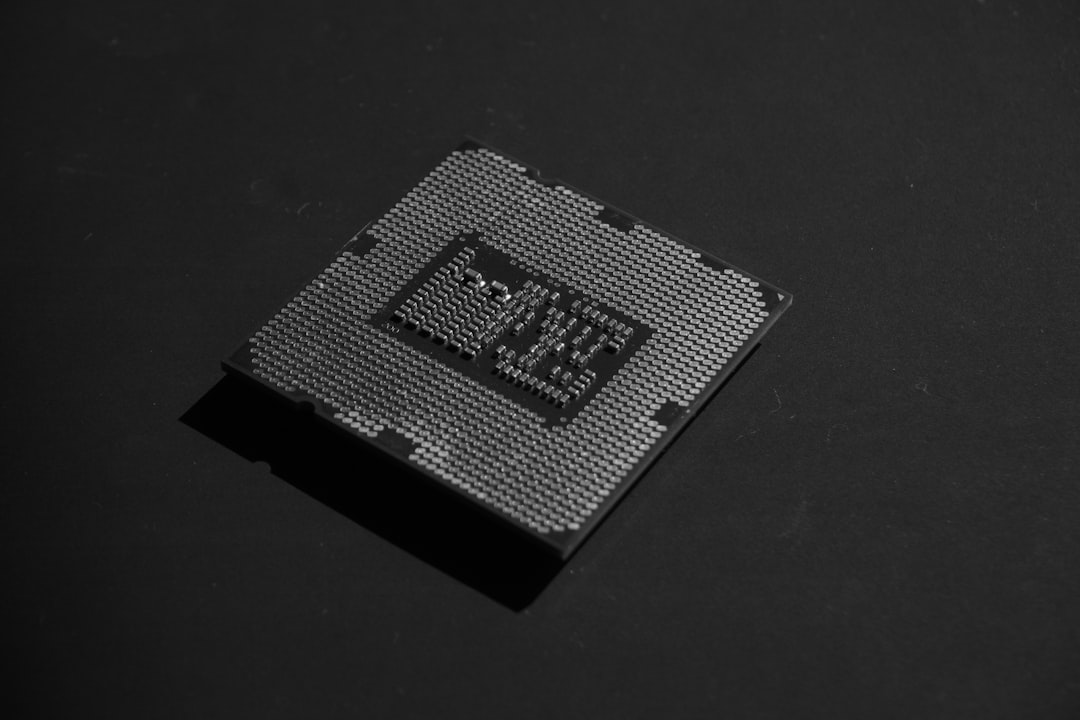
Is Yorkfield Still Useful Today?
Technically, yes. But practically? Not so much.
If you still have a Yorkfield chip, it can run basic apps. Web browsing, streaming some YouTube, word processing—it can manage those. But don’t expect miracles. Today’s apps are heavier and built for newer CPUs.
However, many retro gamers and hobbyists still use older systems for fun. Yorkfield PCs make great backups or “nostalgia machines.”
Behind the Scenes: Building the Chip
Creating Yorkfield involved high-tech manufacturing and intense precision.
- It was made using a 45nm fabrication process at Intel’s fabs (short for fabrication plants).
- Each chip was tested for flaws.
- The best-performing chips were labeled as higher-end models (like the Q9650).
Fun trick: Some tech wizards bought cheaper models and overclocked them to get performance close to expensive ones!
Conclusion: A Chip Worth Remembering
Yorkfield holds a special place in computing history. It wasn’t the first quad-core, but one of the most popular. It balanced power, price, and performance just right for many users.
In many ways, it opened the door to the high-performance, multi-core world we enjoy today.
So next time your browser opens a dozen tabs without a hiccup, think back to Yorkfield—it helped make that possible!
Long live the quad-core pioneers!