


Sales intelligence tells your sales team who to contact, why now, and what to say. It turns scattered clues into clear action. Instead of guessing, reps see which companies fit, which buyers matter, and which accounts are showing buying interest.
TL;DR: Sales intelligence uses company data, buyer data, and intent data to spot better sales chances. For example, if 40 people from one company read articles about “CRM migration” in one week, that can become a hot signal for a CRM sales team. A rep can reach out with a useful message instead of a cold, sleepy pitch. The result is less guessing and more focused selling.
What Sales Intelligence Means
Sales intelligence is the use of data to make sales smarter.
Simple as that.
It helps answer three big questions:
- Is this company a good fit?
- Who should we talk to?
- Are they ready to buy soon?
Old-school sales often starts with a list. A long list. A sad list. Maybe it has company names, phone numbers, and job titles from three years ago. Expect to waste time on bounced emails, wrong titles, and people who left the company during the last century. Okay, maybe not that long. But it feels like it.
Sales intelligence fixes much of that mess. It adds context. It shows movement. It gives reps a reason to act.
The Three Main Data Types
Modern sales intelligence tools usually pull from three buckets of data. Each bucket answers a different question.
1. Company Data
Company data tells you what an account looks like.
This can include:
- Industry
- Company size
- Revenue range
- Location
- Tech stack
- Hiring trends
- Recent funding
- New office openings
This is useful because not every company is worth chasing.
If you sell payroll software for firms with 200 to 1,000 employees, a five-person bakery may not be a match. Lovely cupcakes. Bad fit.
Company data helps sales teams build an ideal customer profile, often called an ICP. That is the type of company most likely to buy, use, and keep your product.
2. Buyer Data
Buyer data tells you who works at the company.
It may include:
- Name
- Job title
- Department
- Email address
- Phone number
- Seniority
- LinkedIn profile
- Recent job changes
This matters because companies do not buy things. People do.
A sales rep needs to know who owns the problem. The CFO may care about cost. The operations manager may care about speed. The IT lead may care about setup and security.
Good buyer data helps reps speak to the right person with the right angle.
3. Intent Data
Intent data shows signs that a buyer may be researching a problem or solution.
These signs can come from many places, such as:
- Content views
- Review site activity
- Search behavior
- Webinar signups
- Ad clicks
- Pricing page visits
- Competitor comparisons
Intent data is the “something is happening” signal.
For example, say a company has 300 employees. Last month, two people there read articles about “employee onboarding tools.” This week, 18 people did. That spike matters. It may mean the company has a new problem, a new project, or a new budget.
That is when a sales rep should act.
How Data Becomes a Sales Signal
Raw data is not enough. A pile of facts is still a pile.
A sales signal is a useful alert that tells a rep what to do next.
Here is the basic flow:
- Collect data. The tool gathers company, buyer, and intent data.
- Clean data. It removes duplicates and bad records.
- Match data. It connects people to companies.
- Score data. It ranks accounts by fit and interest.
- Trigger action. It tells sales what to do.
That last part is the magic. Not fake magic. Useful magic.
A signal might say:
- “This account hired a new VP of Sales.”
- “This company just raised $25 million.”
- “Three buyers viewed your pricing page this week.”
- “This account is researching your top competitor.”
- “This contact changed jobs and moved to a target account.”
Each signal gives the rep a reason to reach out.
Without the signal, the message is generic. With the signal, the message feels timely.

A Simple Example
Imagine you sell cybersecurity software.
Your sales intelligence tool spots this:
- A 700-person finance company matches your ICP.
- They use several tools your product connects with.
- They are hiring three security engineers.
- Employees there have viewed 12 articles about phishing attacks.
- One director visited your demo page twice.
That is not random noise. That is a strong sales signal.
The rep can send a message like:
“Hi Maya, I noticed your team is growing its security function. Many finance teams we work with are trying to reduce phishing risk while keeping setup simple. Would it be useful to compare a few ways teams are doing that?”
That is better than:
“Hi, just checking in. Do you have 15 minutes?”
We all know that email. We all delete that email.
What Modern Sales Intelligence Tools Do
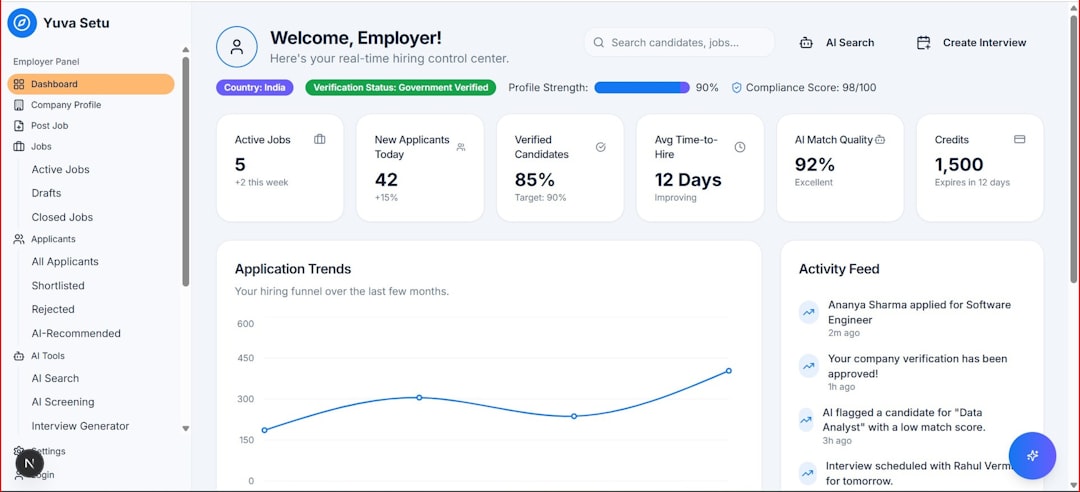
Modern tools do more than store contacts.
They can:
- Find target accounts based on your best customers.
- Enrich CRM records with fresh details.
- Track intent topics that matter to your product.
- Score leads and accounts using fit and interest.
- Suggest contacts inside buying committees.
- Create alerts when key events happen.
- Sync with sales tools so reps work faster.
The best tools do not bury reps in tabs. They show the next best action.
It drives me crazy that some platforms need six clicks just to show one decent contact. If a rep has to fight the software, the software is part of the problem.
Why Sales Intelligence Helps Teams Sell Better
Sales intelligence improves focus.
That sounds boring. It is not.
Focus means fewer bad calls. Fewer dead accounts. Fewer awkward openers. Fewer “Who are you again?” replies.
It helps teams:
- Prioritize accounts with real buying signs.
- Personalize outreach without spending 45 minutes researching.
- Reach buyers sooner when interest is fresh.
- Improve conversion rates by targeting better fits.
- Keep CRM data cleaner with automatic updates.
A team might start with 10,000 possible accounts. Sales intelligence may show that only 1,200 match the ICP. Of those, 180 may show strong intent this month. That gives reps a sharp list. Not a haystack.
Sales Intelligence vs. Lead Lists
A lead list is static.
Sales intelligence is active.
A lead list says, “Here are names.”
Sales intelligence says, “Here are the right names, at the right accounts, with reasons to contact them now.”
That difference is huge.
Think of it like grocery shopping. A lead list is someone dumping random food in your cart. Sales intelligence is a recipe, a shopping list, and a note that says the avocados are finally ripe.
Common Sales Signals to Watch
Some signals are extra useful. Watch for these:
- Funding: New money often means new projects.
- Hiring: New roles can mean team growth or pain.
- Leadership changes: New leaders often review vendors.
- Technology changes: New tools may create new needs.
- Website visits: High-value page views can show interest.
- Content spikes: More research can mean active buying.
- Competitor research: Buyers may be comparing options.
How to Use Sales Intelligence Without Being Creepy
Data helps. But do not be weird.
Bad message:
“I saw you visited our pricing page at 2:14 p.m. on Tuesday.”
No. Please do not.
Better message:
“Teams in your space often compare pricing when planning next quarter’s budget. Happy to share a simple breakdown if useful.”
Use signals as context. Not as a spotlight in someone’s face.
What to Look for in a Sales Intelligence Tool
Choose tools that help reps act faster.
Look for:
- Accurate contact data
- Fresh company updates
- Clear intent topics
- CRM integration
- Account scoring
- Simple filters
- Useful alerts
- Easy opt-out and compliance controls
Also check how fast the tool feels. If searches take 12 seconds every time, reps will stop using it. No grand speech needed. Slow tools lose.
The Bottom Line
Sales intelligence is not about collecting more data for fun. Nobody needs another messy dashboard.
It is about turning data into signals that sales teams can use.
The formula is simple:
Good fit + right buyer + real intent = better sales timing.
When teams know who to contact and why, outreach gets sharper. Buyers get more relevant messages. Reps spend less time guessing. And sales starts to feel a little less like throwing spaghetti at a wall.