
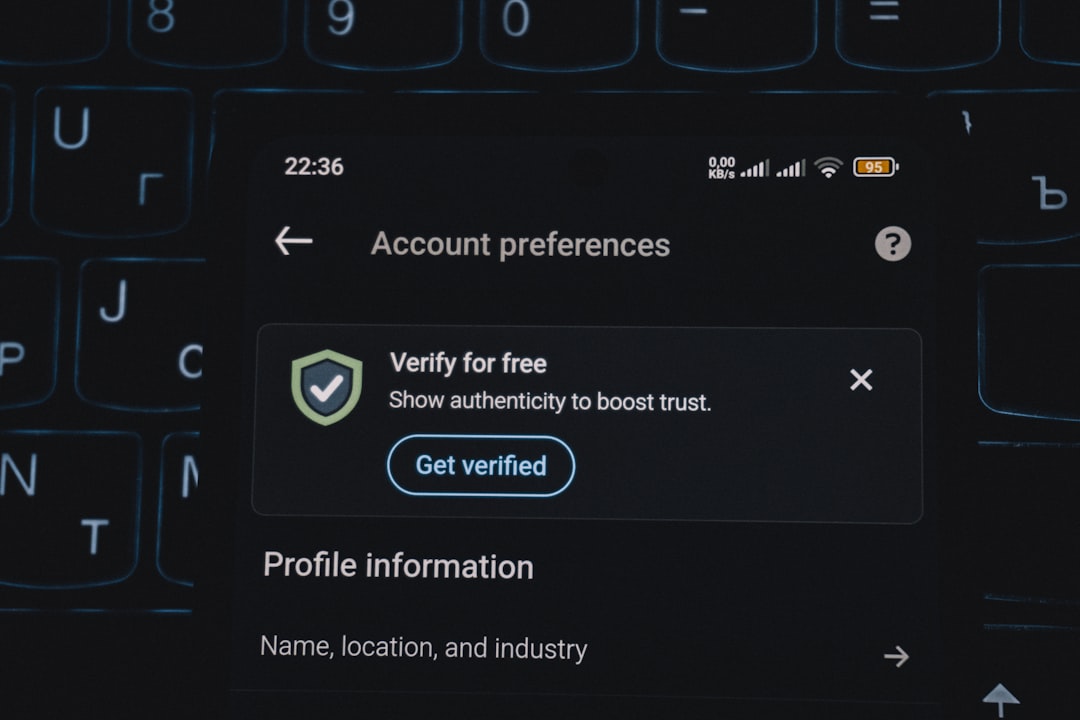

Modern communication depends heavily on digital messaging systems, whether for personal conversations, corporate collaboration, or government operations. As cyber threats become more sophisticated, messaging platforms are increasingly targeted by hackers seeking financial gain, sensitive data, or disruption. A secure messaging system is no longer optional; it is a foundational requirement for privacy, compliance, and trust in today’s interconnected world.
TLDR: Secure messaging systems must prioritize end-to-end encryption, strong authentication, and data integrity to protect users from evolving cyber threats. Features like multi-factor authentication, secure key management, and data loss prevention are essential for both individuals and businesses. Privacy controls, regular security audits, and compliance with global regulations further strengthen platform reliability. Without these protections, messaging systems remain vulnerable to breaches, interception, and unauthorized access.
To ensure comprehensive protection, every messaging platform should incorporate a layered security approach. Below are the top security features every messaging system should have to safeguard communication effectively.
1. End-to-End Encryption (E2EE)
End-to-end encryption is the gold standard of messaging security. It ensures that only the sender and the intended recipient can read the content of a message. Even the service provider cannot access the plaintext data.
Without E2EE, messages may be encrypted during transit but remain vulnerable on servers. True end-to-end encryption protects messages at every stage of transmission.
- Prevents interception by hackers
- Protects data from insider threats
- Ensures confidentiality even if servers are compromised
Advanced implementations also include forward secrecy, which generates unique encryption keys for each session. This means that even if one key is compromised, past and future conversations remain secure.
2. Strong Authentication Mechanisms
Authentication verifies that users are who they claim to be. Weak authentication systems are often the easiest entry point for attackers.
Every secure messaging platform should support:
- Multi-factor authentication (MFA)
- Biometric authentication such as fingerprint or facial recognition
- Hardware security keys
MFA is particularly critical because it combines multiple verification factors:
- Something the user knows (password)
- Something the user has (secure token)
- Something the user is (biometric data)
This layered approach dramatically reduces the risk of unauthorized access, even if passwords are compromised.
3. Secure Key Management
Encryption is only as strong as its key management system. Proper cryptographic key management ensures that encryption keys are generated, stored, rotated, and destroyed securely.
Essential elements include:
- Automatic key rotation
- Secure key storage using hardware security modules
- Protection against unauthorized key export
- Transparent key verification for users
Some advanced systems also allow users to verify encryption keys manually, protecting against man-in-the-middle attacks. This adds an extra layer of confidence in highly sensitive environments.
4. Data Integrity Verification
Data integrity ensures that messages are not altered in transit. Even small modifications to messages can lead to misinformation or malicious outcomes.
Messaging systems should include:
- Digital signatures
- Message authentication codes (MAC)
- Tamper detection mechanisms
These technologies allow recipients to verify that a message has not been changed since it was sent.
5. Secure Data Storage and Encryption at Rest
Data protection must extend beyond real-time messaging. Messages stored on servers or devices must be encrypted at rest to prevent unauthorized access.
This includes:
- Encrypted local storage on devices
- Protected cloud backups
- Controlled database access policies
Without encryption at rest, attackers gaining access to a database could extract entire conversation histories. Encrypted storage significantly limits damage during breaches.
6. Role-Based Access Control (RBAC)
For enterprise messaging systems, role-based access control ensures that users can only access the information necessary for their responsibilities.
RBAC improves security by:
- Limiting data exposure
- Preventing internal misuse
- Supporting compliance requirements
For example, administrative privileges should be restricted to authorized personnel, minimizing the potential for insider threats.
7. Data Loss Prevention (DLP)
Data loss prevention tools monitor and control the sharing of sensitive information within messaging platforms. Organizations often share confidential data such as intellectual property or customer records through messaging systems.
DLP measures may:
- Detect sensitive keywords
- Block unauthorized file transfers
- Scan attachments for malware
- Alert administrators to suspicious behavior
These safeguards protect both the organization and its users from accidental or malicious leaks.
8. Secure File Sharing Capabilities
Messaging systems frequently allow file sharing, which introduces additional risks. Secure file sharing features should include:
- Encrypted file uploads and downloads
- Virus and malware scanning
- File expiration controls
- Password-protected access
Temporary and expiring links are especially important when sharing confidential documents.
9. Audit Logs and Activity Monitoring
Comprehensive audit logging provides visibility into user activity. Logs can reveal unauthorized access attempts, unusual login patterns, and suspicious data transfers.
Effective logging systems should:
- Record login history
- Track administrative changes
- Monitor file downloads
- Maintain tamper-proof log storage
Activity monitoring enables faster incident detection and response, reducing the overall impact of security breaches.
10. Automatic Session Management
Session management features protect users from exposure when devices are lost or left unattended.
Key capabilities include:
- Automatic session timeout
- Remote device logout
- Device authorization management
- Notification of new device logins
Users should be able to view all currently active sessions and revoke access instantly if necessary.
11. Privacy Controls and User Transparency
Security and privacy, while related, are not identical. A secure messaging system must provide users with clear privacy controls.
These include:
- Control over who can see profile information
- Options to disable read receipts
- Control over data retention policies
- Clear privacy policy disclosures
Transparency builds trust. Users should understand what data is collected, how it is stored, and how it may be shared.
12. Compliance with Security Standards and Regulations
Any messaging system used in professional environments must comply with relevant international standards and regulations.
Common compliance frameworks include:
- General Data Protection Regulation (GDPR)
- Health Insurance Portability and Accountability Act (HIPAA)
- ISO 27001 security standards
- System and Organization Controls (SOC 2)
Compliance demonstrates that a platform follows recognized best practices and undergoes independent assessments. This significantly enhances credibility and reliability.
13. Regular Security Audits and Penetration Testing
Cybersecurity is not static. Threats evolve continuously, which means messaging systems must be regularly tested and audited.
Best practices include:
- Third-party security audits
- Routine penetration testing
- Open vulnerability disclosure programs
- Timely software updates and patches
Ongoing evaluation ensures that newly discovered vulnerabilities are quickly identified and resolved.
14. Protection Against Phishing and Social Engineering
Many successful attacks exploit human psychology rather than technical weaknesses. Messaging systems should incorporate safeguards against phishing and impersonation attempts.
These safeguards may include:
- Verified account badges
- Suspicious link warnings
- AI-powered anomaly detection
- Built-in reporting tools for users
Simple design choices, such as displaying clear sender identity indicators, can significantly reduce fraud attempts.
Conclusion
Secure messaging systems are essential in a digital environment increasingly threatened by cybercrime, espionage, and data breaches. From end-to-end encryption and strong authentication to audit trails and regulatory compliance, the most secure platforms employ multiple layers of defense. Each feature plays a vital role in minimizing risk and ensuring confidentiality, integrity, and availability.
Organizations and individuals alike should carefully evaluate messaging platforms based on these core security features. A messaging system that neglects even one critical component may expose users to significant vulnerabilities. Only through comprehensive, proactive security measures can messaging platforms truly protect modern communication.
Frequently Asked Questions (FAQ)
1. What is the most important security feature in a messaging system?
End-to-end encryption is often considered the most important feature because it ensures that only the sender and recipient can read messages. However, it must be combined with strong authentication and key management for full protection.
2. Is encryption alone enough to secure a messaging app?
No. While encryption protects message content, other features like multi-factor authentication, secure storage, and audit logging are necessary to defend against unauthorized access and insider threats.
3. How does multi-factor authentication improve security?
Multi-factor authentication requires users to verify their identity through multiple methods, such as a password and a one-time code. This reduces the chances of attackers gaining access with stolen credentials.
4. Why is encryption at rest important?
Encryption at rest protects stored messages on servers and devices. If a database is breached, encrypted data remains unreadable without the proper keys.
5. What should businesses look for in a secure messaging platform?
Businesses should prioritize end-to-end encryption, compliance certifications, role-based access control, data loss prevention tools, detailed audit logs, and regular third-party security audits.
6. How often should messaging systems undergo security audits?
Security audits should be conducted regularly, typically annually or after significant system changes. Continuous monitoring and frequent vulnerability testing further strengthen protections.