


In the competitive world of digital marketing, search engine optimization remains one of the most powerful channels for sustainable growth. Marketers rely heavily on data-driven insights to understand what audiences are searching for, how competitors are ranking, and where new opportunities exist. The foundation of successful SEO lies in effective keyword research and performance tracking, and achieving that requires robust tools designed for precision and scalability.
TLDR: Effective SEO depends on smart keyword research and accurate ranking insights. Marketers rely on specialized tools to uncover search trends, analyze competitor strategies, and monitor website performance. The right SEO platform can streamline content planning, reveal ranking opportunities, and drive measurable growth. Below are seven of the most trusted SEO tools professionals use to improve search visibility and generate results.
1. Ahrefs
Ahrefs is widely regarded as one of the most comprehensive SEO tools available. Its strength lies in its powerful backlink analysis and extensive keyword research capabilities. Marketers use Ahrefs to uncover keyword difficulty scores, analyze competitor rankings, and discover content gaps that can be leveraged for strategic gains.
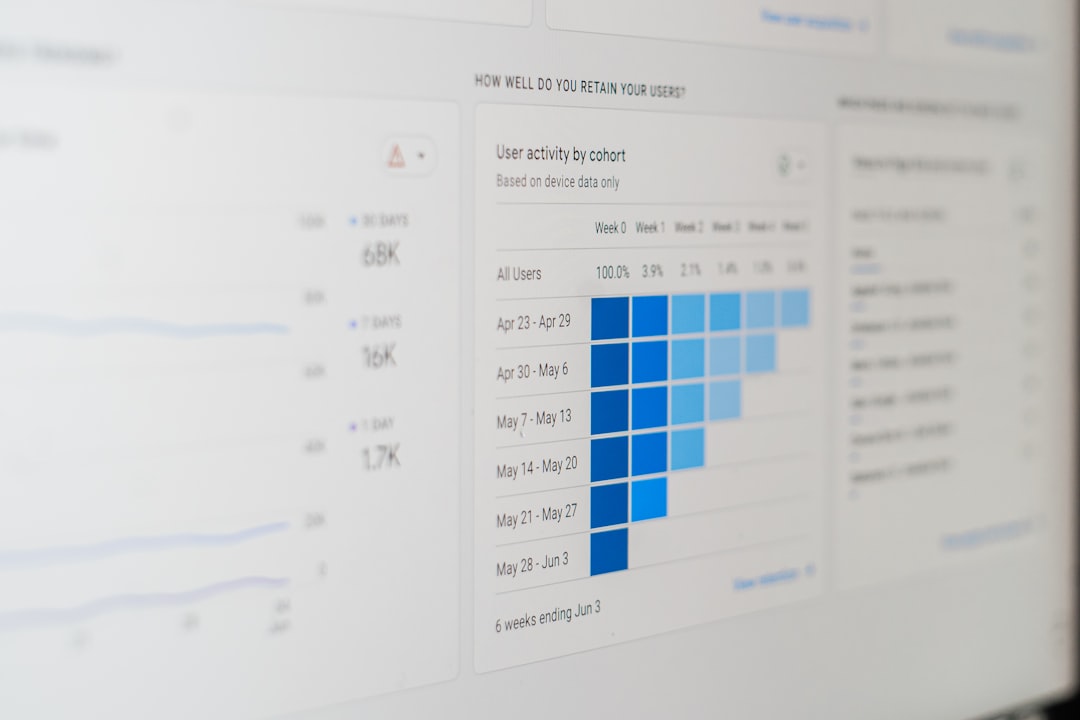
One standout feature is the Site Explorer, which provides detailed insights into organic traffic, referring domains, and top-performing pages. The Keywords Explorer tool helps marketers identify high-volume search queries while evaluating their competitiveness.
- Best for: Backlink analysis and competitive research
- Highlight feature: Accurate keyword difficulty metrics
- Ideal users: Agencies and advanced SEO professionals
With regularly updated data and a user-friendly interface, Ahrefs remains a top choice for marketers seeking granular SEO intelligence.
2. SEMrush
SEMrush is an all-in-one marketing suite that combines keyword research, competition analysis, and ranking tracking within a single platform. It is especially valued for its versatility and wide range of digital marketing features beyond SEO, including PPC insights and content marketing tools.
Marketers rely on SEMrush’s Keyword Magic Tool to generate thousands of keyword variations based on seed terms. The platform also offers Position Tracking, allowing users to monitor daily ranking fluctuations across devices and locations.
- Best for: Comprehensive digital marketing campaigns
- Highlight feature: Competitive domain comparison
- Ideal users: Marketing teams and mid-sized businesses
Its intuitive dashboards and customizable reports help marketers make informed strategic decisions quickly and efficiently.
3. Google Keyword Planner
Google Keyword Planner remains a foundational tool for keyword research. Although primarily built for advertisers, SEO professionals use it to identify keyword trends, search volumes, and forecasting data derived directly from Google’s ecosystem.
Because the data comes straight from Google, marketers often use it as a baseline reference when validating search demand. The tool helps uncover:
- Average monthly search volumes
- Competition levels
- Cost-per-click estimates
While it lacks advanced competitive insights compared to premium platforms, its free access and reliable data make it essential in many SEO workflows. It is especially useful for identifying seasonal trends and validating keyword value.
4. Moz Pro
Moz Pro is well-known for its beginner-friendly interface and proprietary metrics such as Domain Authority (DA) and Page Authority (PA). These indicators provide quick estimates of ranking potential, helping marketers prioritize optimization efforts.
The Keyword Explorer tool offers keyword suggestions, opportunity scores, and SERP analysis. Moz also provides clear explanations and educational resources, making it highly accessible to those newer to SEO.

- Best for: Simplified SEO insights and reporting
- Highlight feature: Proprietary authority scoring system
- Ideal users: Small businesses and beginners
Moz Pro strikes a balance between functionality and usability, offering actionable insights without overwhelming complexity.
5. Ubersuggest
Ubersuggest has gained popularity for delivering affordable SEO insights with a straightforward design. It provides keyword suggestions, traffic estimates, backlink data, and competitive analysis in a streamlined format.
Marketers frequently use Ubersuggest for:
- Long-tail keyword discovery
- Content idea generation
- Basic domain analysis
Although its database may not be as expansive as enterprise-level tools, it is highly accessible for freelancers and startups. Its simple visualizations make identifying opportunities fast and efficient.
6. Serpstat
Serpstat is a growth-focused SEO platform offering keyword research, site auditing, and competitor analysis tools. It is particularly strong in providing clustering features that group related keywords together, supporting topic-based content strategies.
The platform allows marketers to identify missing keywords competitors are ranking for and highlights content gaps that can be turned into strategic assets. Its Tree View structure simplifies domain analysis by visually organizing keyword rankings.
- Best for: Content clustering and competitor analysis
- Highlight feature: Keyword grouping functionality
- Ideal users: Content marketers and SEO strategists
Serpstat’s affordability compared to some premium competitors makes it appealing for growing businesses.
7. Google Search Console
Google Search Console is indispensable for performance tracking and ranking insights. While not a keyword discovery tool in the traditional sense, it provides real-world data about how a website performs in search results.
Users can view:
- Search queries driving impressions and clicks
- Average ranking positions
- Click-through rates
- Indexing and technical issues
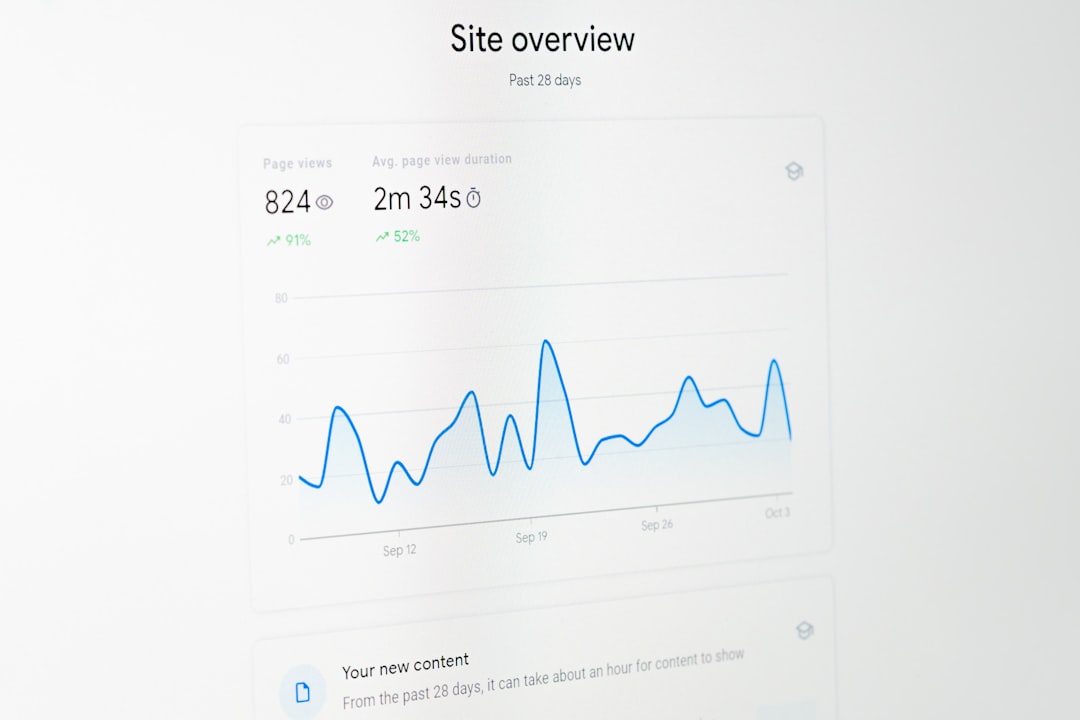
Because the data comes directly from Google Search results, marketers use it to refine existing content, improve underperforming pages, and identify quick optimization wins. Combining Search Console insights with external keyword research tools creates a powerful feedback loop for continuous improvement.
How Marketers Choose the Right SEO Tool
No single tool fits every marketing objective. Professionals often combine multiple platforms to gain layered insights. When selecting SEO software, marketers typically consider:
- Data accuracy and refresh frequency
- Depth of keyword database
- Competitive analysis capabilities
- Reporting and collaboration features
- Budget and scalability
Enterprise teams may prioritize advanced backlink analysis and API integrations, while small businesses might focus on affordability and ease of use. The key is aligning tool capabilities with business goals and SEO maturity level.
Why Keyword Research and Ranking Insights Matter
Keyword research shapes content strategy, guiding marketers toward topics that resonate with their target audience. Ranking insights, on the other hand, reveal how effectively that content performs against competitors.
Together, these data points help businesses:
- Discover untapped search opportunities
- Align content with user intent
- Improve search visibility
- Generate qualified organic traffic
- Measure ROI from SEO initiatives
Without reliable tools, SEO becomes guesswork. With the right software, marketers gain clarity, confidence, and measurable progress.
Frequently Asked Questions (FAQ)
1. What is the most accurate SEO tool for keyword research?
No tool is perfectly accurate because search data constantly changes. However, platforms like Ahrefs and SEMrush are widely praised for their large databases and reliable keyword difficulty metrics. Many professionals cross-reference data from multiple tools for validation.
2. Are free SEO tools sufficient for small businesses?
Free tools such as Google Keyword Planner and Google Search Console can provide valuable insights. However, businesses seeking competitive intelligence and deeper keyword analysis often benefit from investing in premium platforms.
3. How often should rankings be monitored?
Most marketers track rankings weekly or daily for high-priority keywords. Frequent monitoring helps identify trends, algorithm changes, and optimization opportunities without overreacting to minor fluctuations.
4. Why do keyword difficulty scores vary between tools?
Each SEO tool uses proprietary algorithms and data sources to calculate keyword difficulty. Differences in backlink indexes, crawl frequency, and evaluation methods lead to varying scores.
5. Can one tool handle both keyword research and technical SEO?
Many all-in-one platforms, such as SEMrush and Ahrefs, include both keyword research and site auditing features. However, some organizations prefer specialized tools for advanced technical analysis.
6. How long does it take to see results from SEO efforts?
SEO is a long-term strategy. While minor improvements can appear within weeks, significant ranking growth often takes several months depending on competition and content quality.
By leveraging the right combination of SEO tools, marketers gain the clarity needed to craft targeted content strategies, outperform competitors, and drive sustainable organic growth. Keyword research and ranking insights remain the backbone of successful search marketing, and these seven tools continue to shape how professionals achieve measurable results.