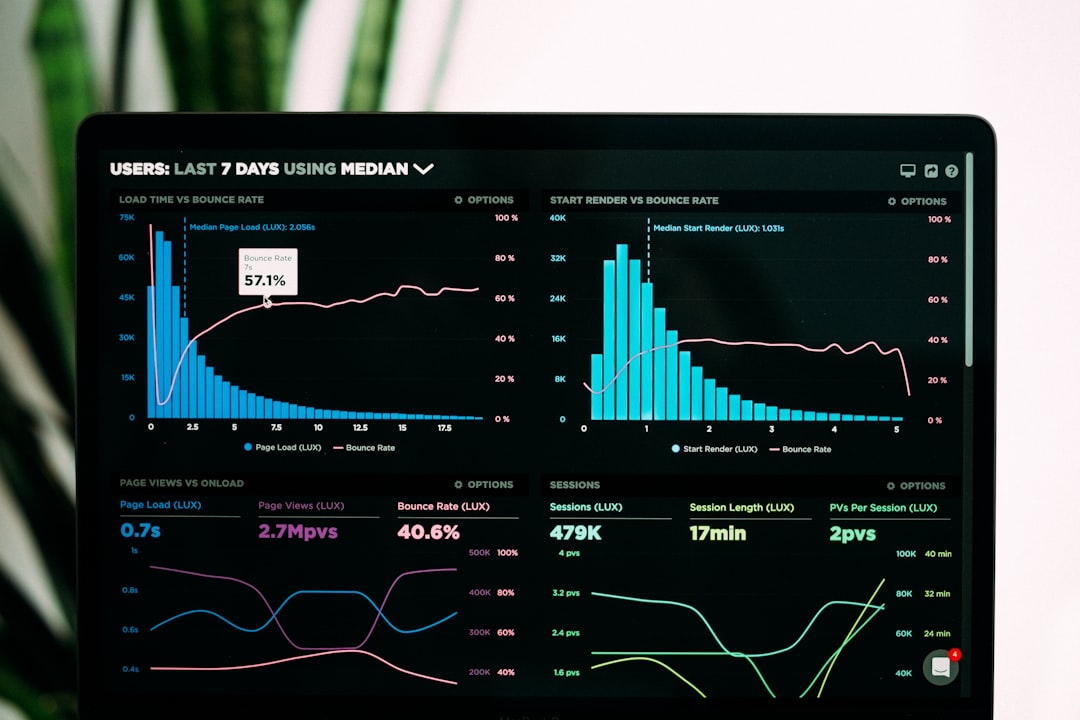

Modern users expect applications to load instantly, function flawlessly, and remain available 24/7. Even a few seconds of delay can lead to lost revenue, frustrated customers, and damaged brand reputation. This is where synthetic monitoring platforms like New Relic step in—proactively testing application performance before real users encounter issues.
TLDR: Synthetic monitoring platforms simulate user interactions with your application to detect performance bottlenecks and downtime before customers are affected. Tools like New Relic, Datadog, and Dynatrace automate testing across regions, devices, and workflows. They provide actionable insights into response times, uptime, and user journeys. By using synthetic monitoring alongside real user monitoring, businesses can build faster, more resilient digital experiences.
Unlike passive monitoring methods that only collect data from actual visitors, synthetic monitoring actively simulates traffic. It tests APIs, web pages, and complex user journeys at scheduled intervals, ensuring that systems are performing optimally—even during off-peak hours when real traffic may be low.
What Is Synthetic Monitoring?
Synthetic monitoring is a proactive approach to application performance testing. It involves scripted transactions or automated probes that mimic real user behavior. These scripts may log into an account, search for a product, complete a purchase, or query an API endpoint.
The key distinction is that synthetic monitoring does not rely on real users. Instead, it creates artificial interactions to validate:
- Availability – Is the application accessible?
- Response time – How long does it take to load?
- Functionality – Are key workflows working properly?
- Performance consistency – Are there regional or time-based slowdowns?
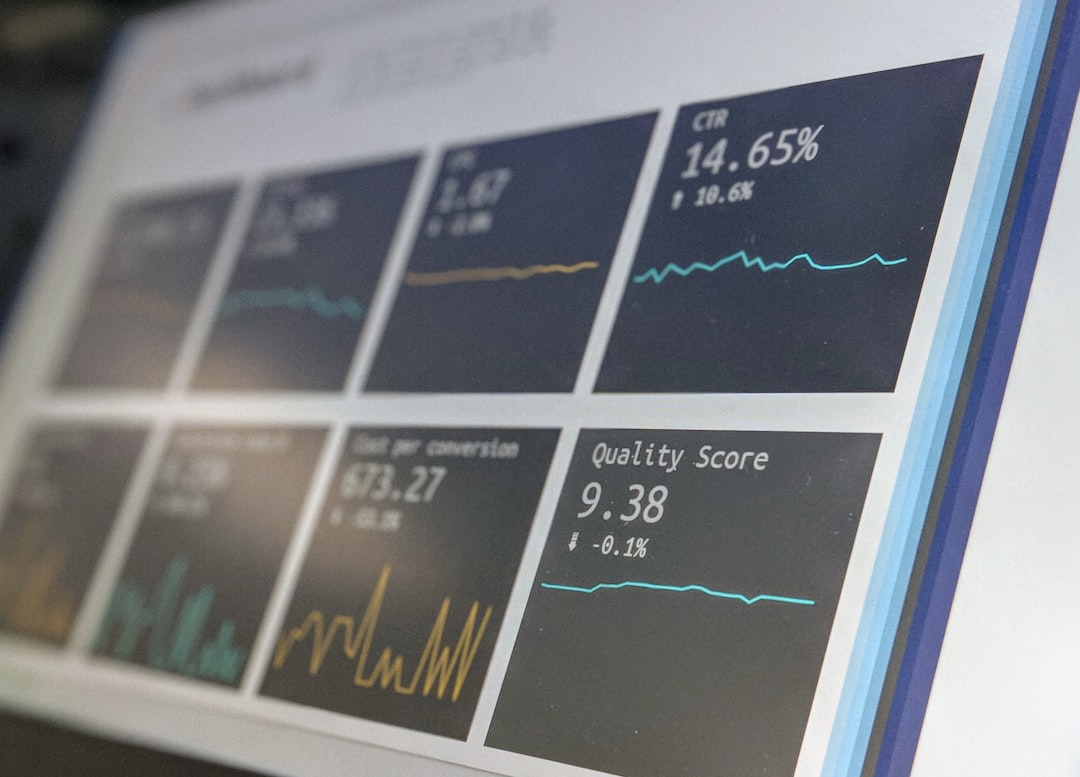
Platforms like New Relic provide centralized dashboards where teams can track these metrics in real time, receive alerts, and analyze historical trends.
How Synthetic Monitoring Works
Synthetic monitoring tools deploy scripts from global locations, often referred to as monitoring nodes or checkpoints. These nodes simulate traffic to your application at predefined intervals—every minute, every five minutes, or even hourly.
There are generally three primary types of synthetic tests:
1. Simple Ping Checks
These tests verify server or endpoint availability. They answer a simple question: Is the service up or down?
2. API Monitoring
API tests send requests to an endpoint and validate the structure and speed of the response. This is essential for microservices architectures where APIs power the backbone of applications.
3. Browser or Transaction Monitoring
These simulate complex user journeys. For example, a script might:
- Open a web page
- Log into an account
- Add items to a cart
- Complete checkout
Every step is measured, recorded, and analyzed for performance degradation or failure.
Why Platforms Like New Relic Stand Out
New Relic has become a major player in observability and application performance monitoring (APM). Its synthetic monitoring capabilities integrate seamlessly with its broader monitoring ecosystem, providing a unified view of performance.
Key strengths include:
- Global test locations to simulate user experiences worldwide
- Advanced alerting with customizable thresholds
- Scripted browser automation using modern frameworks
- Integration with DevOps pipelines
- Detailed waterfall charts for resource-level insights
This tight integration means when a synthetic test fails, teams can quickly pivot to logs, traces, and infrastructure data to find root causes.
The Business Value of Synthetic Monitoring
Performance issues can directly impact:
- Revenue
- SEO rankings
- Customer satisfaction
- Brand credibility
Consider an e-commerce website during a seasonal sale. If checkout fails for even a few minutes, thousands of transactions can be lost. Synthetic monitoring would identify slowdowns or failures before peak surges hit.
Proactive detection shifts IT operations from reactive firefighting to strategic optimization.

Synthetic Monitoring vs Real User Monitoring
A common misconception is that synthetic monitoring replaces real user monitoring (RUM). In reality, the two complement each other.
Synthetic Monitoring:
- Tests proactively, even without user traffic
- Provides controlled and repeatable scenarios
- Excellent for SLA validation
Real User Monitoring (RUM):
- Captures actual user interactions
- Highlights real device, browser, and network variability
- Shows authentic user experience data
Together, they create comprehensive visibility—synthetics validate performance baselines while RUM captures real-world variation.
Key Features to Look For in Synthetic Monitoring Tools
When evaluating platforms like New Relic, Datadog, Dynatrace, or Pingdom, consider these capabilities:
Global Coverage
The ability to test from multiple geographic regions ensures your application performs well globally.
Script Flexibility
Advanced scripting allows simulation of complex workflows beyond simple page loads.
CI/CD Integration
Modern DevOps teams benefit from embedding synthetic tests directly into build pipelines.
Customizable Alerting
Granular alerts based on performance thresholds help prevent alert fatigue while maintaining vigilance.
Detailed Performance Breakdown
Waterfall charts showing DNS lookup, TLS handshake, request time, and rendering delay help diagnose bottlenecks.
Use Cases Across Industries
Synthetic monitoring isn’t limited to tech companies. It plays a critical role across multiple sectors:
Finance
Online banking and trading platforms must provide instant, reliable performance. Monitoring login flows and transaction processes reduces the risk of downtime.
Healthcare
Patient portals and telemedicine applications depend on uptime and responsiveness. Regular synthetic testing ensures appointment booking systems remain operational.
Media and Streaming
Streaming platforms can simulate playback across regions to ensure buffering remains minimal.
SaaS Products
SaaS providers rely on subscription models. Performance monitoring helps maintain customer trust and reduce churn.

Best Practices for Implementing Synthetic Monitoring
Implementing synthetic monitoring requires strategic planning. Here are several best practices:
- Identify mission-critical workflows and prioritize them for transaction tests.
- Monitor from key customer regions rather than irrelevant locations.
- Set realistic performance benchmarks based on historical data.
- Avoid excessive test frequency that could unintentionally strain resources.
- Continuously refine scripts as application features evolve.
It’s important to align monitoring strategy with business objectives, not just technical convenience.
Challenges and Limitations
Despite its strengths, synthetic monitoring is not without limitations.
- Limited realism: Simulated tests may not capture unpredictable user behaviors.
- Maintenance overhead: Scripts must be updated whenever applications change.
- Potential cost scaling: More frequent tests from multiple regions increase expenses.
However, when balanced with real user data, synthetic monitoring offers unparalleled proactive assurance.
The Future of Synthetic Monitoring
As applications become more distributed and cloud-native, monitoring solutions are evolving. Emerging trends include:
- AI-driven anomaly detection for smarter alerting
- Serverless and container monitoring
- Edge testing capabilities
- Integration with security testing for unified observability
Platforms like New Relic are increasingly positioning themselves as full observability ecosystems, combining infrastructure monitoring, log analysis, tracing, and synthetics into one cohesive experience.
Conclusion
In today’s digital economy, application performance is not optional—it’s mission-critical. Synthetic monitoring platforms like New Relic empower organizations to detect problems before users ever notice them. By simulating transactions, testing APIs, and monitoring global availability, these tools provide the foresight needed to maintain seamless digital experiences.
When paired with real user monitoring and integrated into DevOps workflows, synthetic monitoring acts as an early warning system, safeguarding revenue and reputation. For businesses seeking resilience, scalability, and customer satisfaction, investing in synthetic monitoring is not merely a technical enhancement—it is a strategic necessity.