

In a world where technology evolves rapidly and prices continue to rise, many consumers are asking a practical question: should they buy refurbished products instead of brand-new ones? From smartphones and laptops to home appliances and gaming consoles, refurbished items are widely available and often significantly cheaper. However, lower prices can come with concerns about quality, longevity, and warranty coverage. Understanding both the advantages and disadvantages of refurbished products can help buyers make informed, confident decisions.
TLDR: Buying refurbished products can save consumers a substantial amount of money while reducing environmental waste. Many refurbished items are tested, repaired, and certified to work like new. However, there can be risks related to warranty limitations, cosmetic imperfections, and inconsistent quality depending on the seller. Whether refurbished is the right choice depends on the product, the source, and the buyer’s comfort with trade-offs.
What Does “Refurbished” Really Mean?
Before weighing the pros and cons, it is important to understand what refurbished actually means. A refurbished product is typically a pre-owned item that has been returned due to defect, cosmetic damage, or buyer’s remorse. The seller or manufacturer then inspects, repairs, and tests the product to ensure it meets specific working standards before reselling it.
However, not all refurbished products are equal. They may fall into different categories:
- Manufacturer refurbished: Restored and certified by the original manufacturer.
- Seller refurbished: Repaired and resold by a third-party retailer.
- Certified refurbished: Professionally inspected, tested, and certified to function like new.
- Open-box: Returned items that may not have been used extensively.
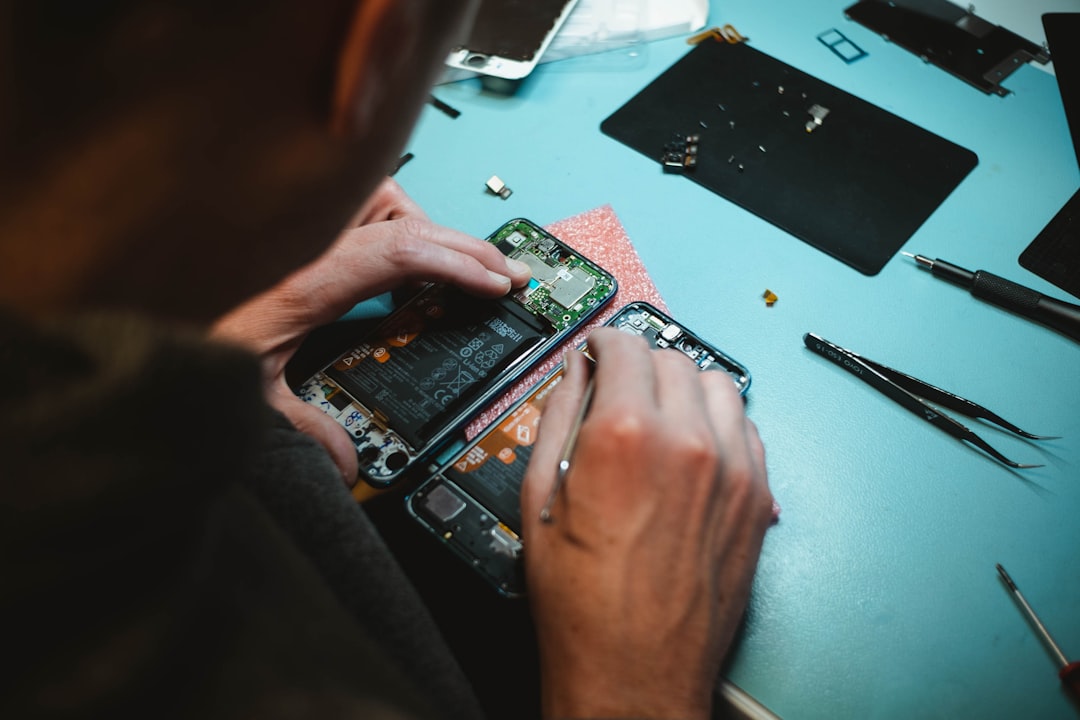
The distinction matters because quality control standards can vary significantly depending on who performs the refurbishment.
The Pros of Buying Refurbished Products
1. Significant Cost Savings
One of the strongest reasons consumers consider refurbished products is cost. Refurbished items often cost 15% to 50% less than brand-new models. For high-ticket electronics such as laptops, smartphones, and gaming consoles, these savings can be substantial.
This affordability can make premium models accessible to buyers who otherwise could not justify the original retail price.
2. Environmental Benefits
Purchasing refurbished products contributes to sustainability. Electronic waste is a growing global issue, and extending the lifespan of devices reduces landfill waste and conserves resources.
By choosing refurbished, consumers:
- Reduce demand for new manufacturing
- Lower carbon emissions associated with production
- Help minimize electronic waste
For environmentally conscious buyers, refurbished purchasing aligns with a more sustainable lifestyle.
3. Tested and Verified Performance
Contrary to common assumptions, many refurbished products undergo rigorous testing. Certified refurbishers typically inspect hardware components, replace defective parts, update software, and perform quality assurance checks.
In some cases, refurbished devices are individually tested more thoroughly than brand-new items that come directly off assembly lines.
4. Warranty and Return Policies
Many manufacturer-certified refurbished products include limited warranties. While these warranties may not always match those offered for new products, they often provide coverage ranging from 90 days to one year.
This protection offers peace of mind and reduces the perceived risk of buying used goods.
5. Access to Older or Discontinued Models
Refurbished markets can be ideal for consumers seeking older models that are no longer available new. This can be especially useful for:
- Businesses needing compatible hardware
- Consumers replacing a device with the same model
- Budget-conscious buyers avoiding the latest premium version
The Cons of Buying Refurbished Products
1. Cosmetic Imperfections
Refurbished items often show minor wear such as scratches, dents, or surface marks. While these imperfections rarely affect performance, some buyers may be dissatisfied if aesthetics are important.
Cosmetic grading systems (e.g., Grade A, B, or C) attempt to clarify condition, but interpretations can vary between sellers.
2. Shorter Warranty Periods
Although many refurbished products come with warranties, coverage is typically shorter than that for new items. A new laptop may include a one-year or longer warranty, while its refurbished counterpart might offer only 90 days.
For buyers seeking long-term protection, this difference could be significant.
3. Potential Battery Degradation
For devices such as smartphones or laptops, battery health can be a concern. Even when batteries are tested and functional, they may not offer the same longevity as brand-new ones unless replaced during refurbishment.
Buyers should always check whether the battery has been replaced or certified to meet certain health thresholds.
4. Limited Customization Options
Refurbished products are typically sold as-is, with fixed specifications. Consumers may not be able to choose upgraded storage, color variants, or additional features.
This lack of flexibility can limit personalization compared to buying new.
5. Inconsistent Quality Between Sellers
Quality standards vary widely. A manufacturer-certified refurbishment generally offers higher reliability than one conducted by an unknown third-party seller.

Without careful research, buyers risk receiving a product that does not meet expectations.
Refurbished vs. New: A Comparison Chart
| Factor | Refurbished | New |
|---|---|---|
| Price | Lower (15%–50% savings) | Full retail price |
| Warranty | Limited (90 days–1 year typical) | Full manufacturer warranty |
| Condition | Fully functional, possible cosmetic wear | Brand new condition |
| Environmental Impact | Eco-friendly, reduces waste | Higher production impact |
| Customization | Limited options | Full configuration choices |
| Risk Level | Moderate (depends on seller) | Low |
When Buying Refurbished Makes Sense
Refurbished purchases are particularly suitable in the following situations:
- Budget constraints: When affordability is a primary concern.
- Secondary devices: Backup phones, travel laptops, or children’s electronics.
- Rapidly depreciating items: Smartphones and tech gadgets that quickly lose value.
- Short-term usage: Temporary work or educational needs.
In these scenarios, the cost savings may outweigh the potential drawbacks.
When It May Be Better to Buy New
On the other hand, buying new may be preferable when:
- The product is mission-critical for work or safety.
- Long-term warranty coverage is essential.
- Latest-generation features are required.
- The seller’s refurbishment standards are unclear.
For essential business equipment or high-performance demands, minimizing risk may justify the higher upfront expense.
How to Buy Refurbished Safely
Consumers who decide to purchase refurbished products can reduce risk by following these best practices:
- Buy from reputable sellers or manufacturers.
- Check warranty details and return policies.
- Understand the grading system for cosmetic condition.
- Confirm battery health (for electronics).
- Read verified customer reviews.
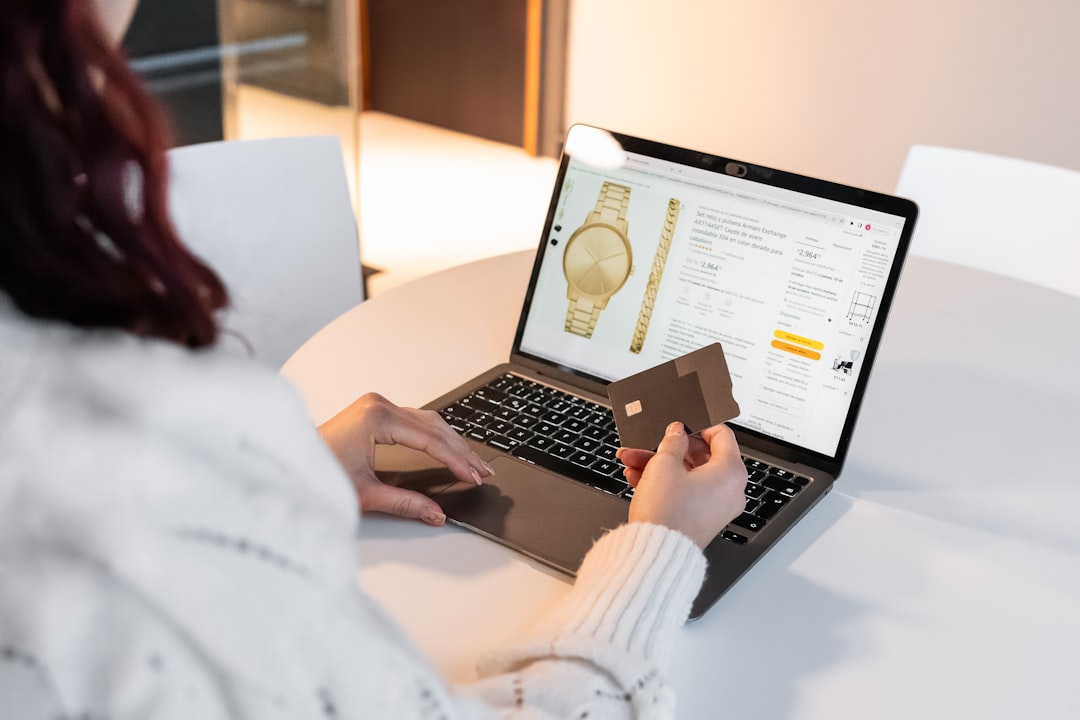
Doing proper research significantly increases the likelihood of a positive experience.
Are Refurbished Products Reliable Long-Term?
Reliability depends largely on refurbishment quality and the nature of the product. Studies and consumer reports suggest that manufacturer-certified refurbished electronics often perform nearly identically to new devices over comparable time frames.
That said, older hardware components may have naturally shorter remaining lifespans. Buyers should assess expected usage duration and long-term needs before deciding.
Final Considerations
Buying refurbished products is neither inherently risky nor automatically superior. It represents a calculated trade-off between savings and potential uncertainty. For informed consumers willing to research sellers and accept minor cosmetic flaws, refurbished items can offer exceptional value.
Ultimately, the right choice depends on individual priorities. Those seeking maximum savings and environmental benefits may find refurbished products highly appealing. Those prioritizing pristine condition and full warranty protection may prefer new purchases despite higher costs.
Frequently Asked Questions (FAQ)
1. Are refurbished products the same as used products?
No. While refurbished items are pre-owned, they are inspected, repaired, and tested before resale. Used products are typically sold as-is without professional restoration.
2. Is it safe to buy refurbished electronics?
Yes, especially when purchased from reputable sellers offering warranties and return policies. Manufacturer-certified refurbished items generally offer the highest reliability.
3. Do refurbished products come with new accessories?
Not always. Some include new accessories, while others may come with generic or limited accessories. It is important to review product descriptions carefully.
4. How much cheaper are refurbished products?
Prices typically range from 15% to 50% lower than new items, depending on the product category, condition, and age.
5. What should be checked before purchasing refurbished?
Buyers should review warranty coverage, battery health (if applicable), seller reputation, return options, and the product’s cosmetic grading.
6. Are refurbished products better for the environment?
Yes. Purchasing refurbished extends a product’s lifecycle and helps reduce electronic waste and resource consumption.
By carefully weighing the advantages and drawbacks, consumers can determine whether refurbished products align with their budget, expectations, and values.