
In today’s competitive digital marketplace, user experience (UX) design plays a crucial role in determining whether a product thrives or fails. As companies race to deliver intuitive, engaging, and seamless digital experiences, many are turning to outsourcing as a strategic solution. Outsourcing UX design can provide access to global talent, reduce costs, and accelerate timelines—but it also introduces challenges related to communication, alignment, and quality control. Understanding the advantages, drawbacks, and selection criteria is essential before committing to an external UX partner.
TL;DR: Outsourcing UX design allows businesses to access specialized talent, reduce operational costs, and scale quickly. However, challenges such as communication gaps, cultural differences, and limited oversight can impact outcomes. The key to success lies in defining clear goals, thoroughly vetting partners, and establishing structured workflows. With the right approach, outsourcing can significantly enhance product quality and time to market.
Why Companies Outsource UX Design
UX design requires a diverse combination of skills, including user research, interaction design, information architecture, visual design, prototyping, and usability testing. Hiring and maintaining a full in-house UX team can be costly and time-consuming, especially for startups and mid-sized companies.
Organizations often outsource UX design for several strategic reasons:
- Cost efficiency: Hiring full-time designers involves salaries, benefits, equipment, and training costs. Outsourcing transforms these fixed costs into variable project-based expenses.
- Access to global expertise: Companies gain access to specialists with advanced skills and varied industry experience.
- Scalability: External teams can scale up or down depending on project demands.
- Faster time to market: Experienced agencies often have streamlined workflows that accelerate development cycles.
- Focus on core business: Internal teams can concentrate on strategy, engineering, and marketing while design is handled externally.
The Pros of Outsourcing UX Design
1. Access to Specialized Talent
Outsourcing provides access to professionals who specialize in specific industries or technologies. Whether designing fintech dashboards, healthcare apps, or eCommerce platforms, experienced UX agencies often bring insights gained from working on similar projects.
2. Cost Predictability
With outsourced UX projects, pricing structures are typically transparent—fixed price, hourly, or retainer-based. Businesses can forecast budgets more effectively compared to sustaining an in-house department with fluctuating overhead costs.
3. Diverse Perspective and Innovation
External teams bring a fresh viewpoint. Because they are not immersed in the internal culture, outsourced designers may identify usability issues or improvement opportunities that internal teams overlook.
4. Faster Project Launches
Agencies often operate with established processes and multidisciplinary teams. Research, wireframing, prototyping, and testing may happen simultaneously, leading to quicker turnarounds.
5. Scalability and Flexibility
Seasonal demand or new product launches may require temporary resource surges. Outsourcing allows businesses to scale their UX capacity without long-term hiring commitments.
The Cons of Outsourcing UX Design
1. Communication Barriers
Geographical distance and time zone differences can create communication delays. Cultural variations may also lead to misunderstandings in design expectations or user behavior interpretations.
2. Reduced Direct Control
Unlike in-house teams who are embedded in day-to-day company activities, outsourced providers work externally. This can lead to less immediate oversight and slower iteration cycles if processes are not clearly defined.
3. Knowledge Gaps About the Product
External designers need time to understand the brand, audience, and strategic goals. Without proper onboarding and documentation, the resulting design may lack deep alignment with business objectives.
4. Data Security Concerns
Sharing proprietary information, customer data, and future roadmap plans introduces confidentiality risks. Strong contracts and non-disclosure agreements are essential.
5. Potential Hidden Costs
If project scope is unclear, revisions and extended timelines can increase expenses. Scope creep is one of the most common risks in outsourced design engagements.
How to Choose the Right UX Design Partner
Selecting the right outsourcing partner determines whether the engagement succeeds or fails. Businesses must take a structured approach during evaluation.
1. Define Clear Objectives
Before approaching agencies, decision-makers should clarify:
- Project goals and KPIs
- Target audience
- Scope and timeline
- Budget constraints
A well-prepared brief reduces ambiguity and helps agencies provide accurate proposals.
2. Evaluate Portfolio and Case Studies
An agency’s portfolio reveals its design style, problem-solving abilities, and industry experience. Case studies should demonstrate measurable impact such as improved conversion rates, reduced churn, or enhanced usability scores.
3. Assess UX Process Maturity
A professional UX partner follows a structured process that often includes:
- User research and persona development
- Information architecture design
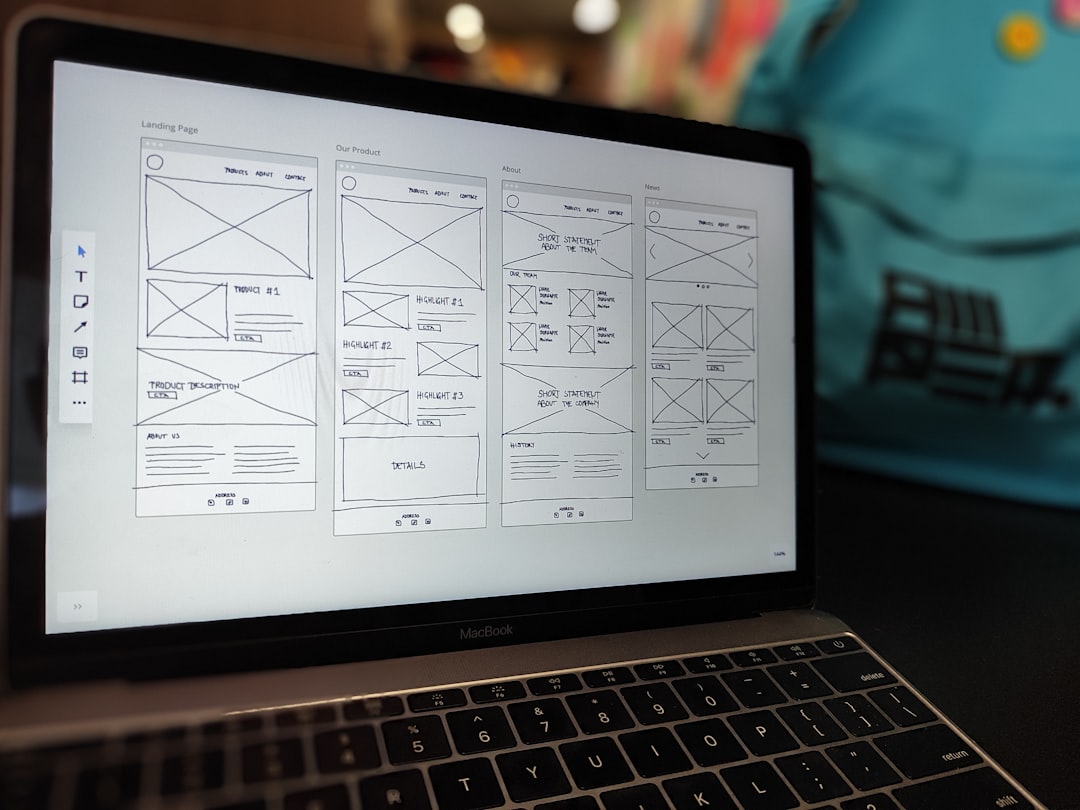
- Wireframing
- Interactive prototyping
- Usability testing
- Design handoff documentation
A well-defined process ensures predictable outcomes and minimizes friction during collaboration.
4. Verify Communication and Collaboration Tools
Effective outsourcing relies on seamless communication. Partners should demonstrate proficiency with collaboration platforms, video conferencing tools, and project management systems. Frequent updates and transparent reporting build trust.
5. Check Client References and Reviews
Speaking directly with previous clients provides honest feedback about reliability, adaptability, and overall satisfaction.
6. Clarify Ownership and Intellectual Property
Contracts must define intellectual property ownership, confidentiality terms, and data handling policies. Clear agreements protect both parties.
7. Conduct a Pilot Project
A small initial engagement can serve as a practical test of compatibility, work quality, and responsiveness before committing to long-term collaboration.
Image not found in postmetaBest Practices for Managing an Outsourced UX Team
Even the best agency requires effective management to deliver optimal results. Companies should:
- Establish clear communication cadences through weekly meetings and milestone reviews.
- Provide comprehensive onboarding materials including brand guidelines and market insights.
- Set measurable KPIs aligned with usability metrics and business outcomes.
- Encourage collaborative workshops involving internal stakeholders and external designers.
- Avoid micromanagement while maintaining accountability through structured deliverables.
Successful outsourcing is built on partnership rather than transactional exchanges.
When to Outsource vs. Build In-House
Outsourcing is particularly beneficial when:
- The project is short-term or experimental.
- Internal expertise is limited.
- Rapid scaling is required.
- Budget flexibility is essential.
Conversely, building an in-house team may be preferable when:
- UX design is a core competitive differentiator.
- Continuous iteration is required long-term.
- Products demand deep, evolving domain expertise.
Some organizations adopt a hybrid approach—maintaining a small internal UX team for strategy and oversight while outsourcing execution tasks such as research or testing.
Conclusion
Outsourcing UX design can be a powerful strategy for businesses aiming to elevate digital experiences without overextending internal resources. The benefits of cost efficiency, specialized expertise, and scalability are significant, but they must be weighed against challenges such as communication gaps and quality control risks. By defining clear goals, vetting partners thoroughly, and establishing structured processes, companies can transform outsourcing into a strategic advantage rather than a compromise. Ultimately, the right partnership fosters innovation, improves usability, and drives measurable business growth.
FAQ
- Is outsourcing UX design cheaper than hiring in-house?
It often reduces long-term operational costs, especially for short-term or project-based needs. However, total cost depends on scope, complexity, and potential revisions. - How long does an outsourced UX project typically take?
Timelines vary depending on complexity, but most projects range from several weeks for smaller applications to several months for enterprise solutions. - How can companies ensure quality when outsourcing UX?
Quality can be maintained through detailed briefs, milestone reviews, usability testing, and performance-based KPIs. - What industries benefit most from outsourced UX design?
Industries such as fintech, healthcare, SaaS, eCommerce, and education frequently leverage outsourced UX to stay competitive and innovate quickly. - Should startups outsource UX design?
Many startups benefit from outsourcing because it provides access to senior-level talent without the financial burden of full-time hires. - What is the biggest risk in outsourcing UX?
The primary risk is misalignment between business goals and design output, often caused by unclear communication or poorly defined project scopes.