


If you’ve ever ordered something online and wondered how it travels from a warehouse to your front door, you’re already thinking like a logistics coordinator. These behind-the-scenes heroes make sure packages, parts, and products get where they need to go—on time and in one piece. Without them, shelves would be empty, supply chains would break, and chaos would follow!
TL;DR (Too Long; Didn’t Read)
A logistics coordinator organizes the movement of goods from point A to point B. They keep shipping, tracking, and inventory on track. The average salary is pretty decent, especially with experience. To thrive in this job, you need strong planning skills, communication abilities, and love for details.
What Does a Logistics Coordinator Do?
Think of a logistics coordinator as a puzzle master. Their job is to connect all the right pieces. They make sure orders are placed, packed, shipped, and delivered efficiently.
Here are some common responsibilities:
- Coordinate shipments: Work with shippers, carriers, and clients.
- Track deliveries: Monitor shipments and update delivery statuses.
- Handle paperwork: Know customs, invoices, and compliance details.
- Manage inventory: Keep stock levels accurate and avoid shortages.
- Solve problems: Deal with delays, damages, or wrong deliveries.
Every day is different. One minute you’re helping a trucker find a lost load of shoes; the next, you’re working on customs forms for a shipment of electronics heading overseas.
Where Do Logistics Coordinators Work?
Logistics coordinators can work almost anywhere goods are moved. This includes:
- Large retailers like Walmart or Target
- Shipping companies like FedEx or DHL
- Manufacturing plants
- Import/export businesses
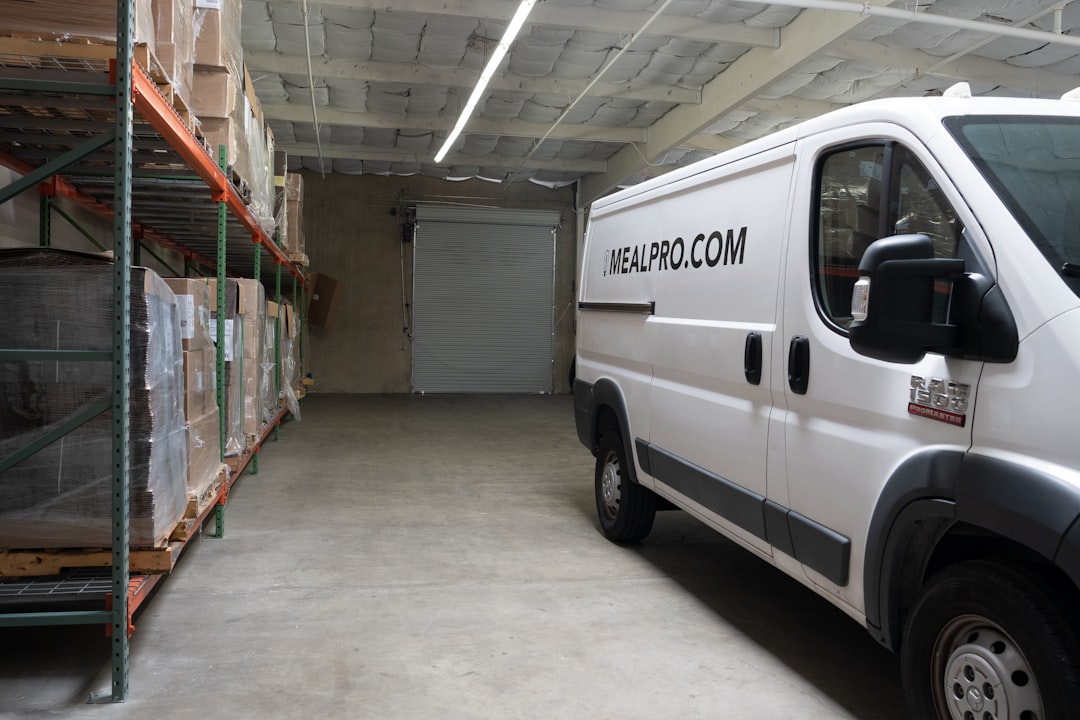
- Warehouses and distribution centers
They often work in busy offices filled with computer screens, delivery schedules, and phone calls. Some even work night shifts to keep things running 24/7.
What’s the Salary Like?
Let’s talk money! The salary depends on experience, location, and the industry.
- Entry-level: Around $35,000 to $45,000 per year
- Mid-career: Roughly $50,000 to $65,000 per year
- Experienced: Upwards of $70,000+ per year
Some companies also offer bonuses, overtime pay, and perks like health insurance, vacation days, and retirement plans.
If you move into management roles like Logistics Manager or Supply Chain Director, the pay can jump much higher!
Essential Skills for Logistics Coordinators
Wanna be good at this job? Here’s what you need:
- Organizational skills: You’ll juggle multiple shipments and deadlines.
- Communication: Talk clearly to truck drivers, warehouse staff, and customers.
- Attention to detail: Double-check documents, orders, and delivery info.
- Tech know-how: Use logistics software, spreadsheets, and tracking tools.
- Problem-solving: Fix any hiccups with deliveries or inventory fast.
- Time management: Hit deadlines, every time.
Being bilingual can also be a bonus, especially for international companies.
What Kind of Tools Do They Use?
Technology keeps everything ticking. Logistics coordinators often work with:
- Transportation Management Systems (TMS): These track shipping routes and costs.
- Warehouse Management Systems (WMS): These keep track of stock and location.
- Spreadsheets: Old-school but super useful for schedules and budgets.
- Barcode scanners: For fast inventory updates and order tracking.

There are also mobile apps that help update shipment statuses in real-time. Some companies even use GPS and RFID systems to track deliveries.
How Do You Become a Logistics Coordinator?
You don’t need to be a rocket scientist. But you do need some training and hustle.
Here’s the typical path:
- Graduate high school (or get a GED)
- Get an associate or bachelor’s degree in business, supply chain, or logistics
- Gain experience through internships or entry-level jobs in shipping or warehouses
- Earn certifications like Certified Logistics Associate (CLA) or APICS Certified in Logistics, Transportation, and Distribution (CLTD)
Some people also come up through the ranks from shipping or warehouse roles.
Biggest Challenges in the Job
This job isn’t without stress. Even the best coordinators face tough situations like:
- Late shipments and angry customers
- Software glitches when tracking systems go down
- Global delays due to weather, strikes, or customs issues
- Managing hundreds of moving parts at once
But the good news? Every problem is a chance to shine and prove your skills!
Is This Job Right for You?
Ask yourself these questions:
- Do you like organizing and planning?
- Can you stay calm under pressure?
- Do you enjoy solving problems?
- Are you good with computers and systems?
- Can you work well with lots of different people?
If you answered “yes” to most of these, this could be the perfect fit for you!
Bonus Perks and Career Growth
Logistics is more than just a job. It’s a career path.
With experience, you can grow into roles like:
- Logistics Manager: Lead a team of coordinators.
- Supply Chain Analyst: Study data to improve systems.
- Transportation Manager: Oversee delivery fleets.
- Operations Director: Guide overall strategy and performance.
And since logistics is needed in almost every industry—from food to fashion to tech—you’ve got opportunities to move around and grow fast.
Final Thoughts
Being a logistics coordinator is like being the air traffic controller for products. You guide them from place to place, solving puzzles along the way. It can be fast-paced, detailed, and sometimes chaotic—but it’s also rewarding, especially when everything clicks into place.
If you love coordination, communication, and a bit of friendly chaos, this could be the job that puts your skills to good use!