


Keyword research in 2026 is no longer just about finding phrases with high search volume. Search engines now interpret intent more deeply, AI assistants summarize answers before users click, and audiences search across Google, YouTube, TikTok, Reddit, marketplaces, and voice interfaces. A strong keyword strategy today means identifying the terms your audience actually uses, understanding why they use them, and deliberately excluding irrelevant searches that waste budget, traffic, or content effort.
TLDR: In 2026, keyword research is about intent, relevance, and exclusion, not just traffic numbers. Start with customer problems, expand ideas with search data and AI tools, then group keywords by intent and business value. Just as importantly, build a negative keyword and exclusion list so your SEO content and paid campaigns avoid irrelevant, low-converting terms.
Why keyword research still matters in 2026
Even with AI-generated answers and conversational search, keywords remain the bridge between what people need and what your business offers. The difference is that modern keyword research must account for semantic search, meaning search engines understand topics, entities, and context rather than matching exact words only.
For example, someone searching “best project management system for remote design teams” is not simply looking for “project management software.” They are signaling a specific use case, team type, and buying stage. If your content addresses that precise scenario, you have a better chance of earning visibility and trust.
Good keyword research helps you answer three essential questions:
- What is your audience searching for?
- Why are they searching for it?
- Which terms should you ignore because they do not match your goals?
Step 1: Start with audience problems, not tools
Before opening a keyword platform, define your audience and their pain points. Tools are useful, but they can easily pull you toward attractive numbers that have little commercial value. Begin with real questions your customers ask in sales calls, support tickets, reviews, forums, and community discussions.
Ask yourself:
- What problem does the customer want to solve?
- What words do beginners use versus experts?
- What alternatives or competitors do they compare?
- What fears, objections, or frustrations appear repeatedly?
This stage produces your seed keywords. These are broad starting points such as “email marketing automation,” “home workout plan,” or “small business accounting software.” In 2026, seed keywords should also include natural language prompts like “how do I reduce customer churn” or “what is the easiest CRM for a solo consultant.”
Step 2: Expand your keyword universe
Once you have seed ideas, expand them using multiple sources. Relying on one database can create blind spots, especially because search behavior now spreads across many platforms. Use keyword tools, search suggestions, AI research assistants, competitor pages, social listening, and internal site search data.
Look for variations in:
- Questions: “how to,” “what is,” “why does,” “best way to”
- Comparisons: “X vs Y,” “alternatives to,” “best tools for”
- Modifiers: “free,” “enterprise,” “near me,” “for beginners,” “2026”
- Use cases: “for agencies,” “for ecommerce,” “for remote teams”
- Problems: “fix,” “reduce,” “avoid,” “improve,” “troubleshoot”
Do not judge keywords too early. At this stage, your goal is breadth. A phrase with low monthly volume might still be valuable if it shows strong purchase intent or fits a profitable niche.
Step 3: Classify search intent
Search intent is the reason behind a query. In 2026, intent classification is one of the most important parts of keyword research because search engines reward content that satisfies the task behind the search.
Most keywords fall into four major intent categories:
- Informational: The user wants to learn. Example: “what is zero trust security.”
- Commercial: The user is comparing options. Example: “best zero trust platforms.”
- Transactional: The user is ready to act. Example: “buy endpoint security software.”
- Navigational: The user wants a specific brand, product, or website.
The best strategy uses all four, but not in the same way. Informational keywords help build authority and attract early-stage visitors. Commercial and transactional keywords often produce fewer visits but more leads, trials, sales, or bookings.
A practical tip: search the keyword yourself and study the results. If the top results are guides, the intent is probably informational. If they are product pages, comparison lists, or pricing pages, the intent is closer to commercial or transactional.

Step 4: Evaluate value, difficulty, and fit
After grouping by intent, evaluate each keyword using a balanced scoring system. Search volume matters, but it should not dominate your decision. A keyword with 200 monthly searches and high conversion potential may be more valuable than one with 20,000 searches from the wrong audience.
Consider these factors:
- Relevance: Does the keyword closely match your offer?
- Intent strength: Is the user likely to take a meaningful action?
- Competition: Can your site realistically rank or compete for it?
- Content gap: Can you create something better than existing results?
- Business value: Would traffic from this query support revenue or growth?
In mature markets, long-tail keywords are often the smarter starting point. Phrases like “best payroll software for restaurants with hourly staff” may be easier to rank for and more likely to convert than “payroll software.” They also help you build topical authority, which can support rankings for broader terms over time.
Step 5: Build topic clusters instead of isolated pages
Modern SEO rewards depth. Instead of creating one page for every tiny variation, organize keywords into topic clusters. A cluster includes a main page that covers a broad subject and supporting pages that answer related subtopics.
For example, a “keyword research” cluster could include pages about search intent, long-tail keywords, competitor analysis, negative keywords, keyword mapping, and SEO tools. Internal links connect these pages, helping both users and search engines understand the relationship between them.
This approach prevents keyword cannibalization, where multiple pages compete for the same query. It also creates a better user experience because visitors can move naturally from a beginner concept to a more advanced decision point.
Step 6: Exclude irrelevant terms deliberately
Finding good keywords is only half the job. You also need to exclude terms that attract the wrong audience. This is especially important for paid search, but it also applies to SEO content planning. Irrelevant traffic can distort analytics, lower conversion rates, and waste content resources.
Create an exclusion list by identifying terms that signal a poor fit. These may include:
- Job seekers: “jobs,” “salary,” “career,” “resume”
- Freebie hunters: “free,” “template,” “crack,” “download” if not relevant
- Wrong market: regions, industries, or audiences you do not serve
- DIY intent: “how to build from scratch” if you sell a managed service
- Academic intent: “definition,” “essay,” “research paper” if conversions are unlikely
In advertising platforms, these become negative keywords. In SEO, they help you decide which topics not to target or how to frame content so it attracts qualified readers. For example, if you sell premium accounting services, “free bookkeeping spreadsheet” may bring traffic, but it may not bring clients.

Step 7: Map keywords to the right pages
Keyword mapping connects each target keyword group to a specific page. This prevents duplication and gives every page a clear purpose. Your homepage may target broad branded and category terms, product pages should focus on transactional keywords, and blog posts can capture informational and commercial queries.
A simple keyword map should include:
- Primary keyword
- Secondary keywords
- Search intent
- Target URL
- Content format
- Priority level
- Excluded terms
This document becomes your strategic roadmap. It helps writers, SEO specialists, paid media teams, and product marketers stay aligned.
Step 8: Refresh your keyword data regularly
Keyword research is not a one-time project. New competitors appear, terminology changes, AI search surfaces new answer formats, and customer priorities shift. Review your keyword strategy at least quarterly, and more often in fast-moving industries.
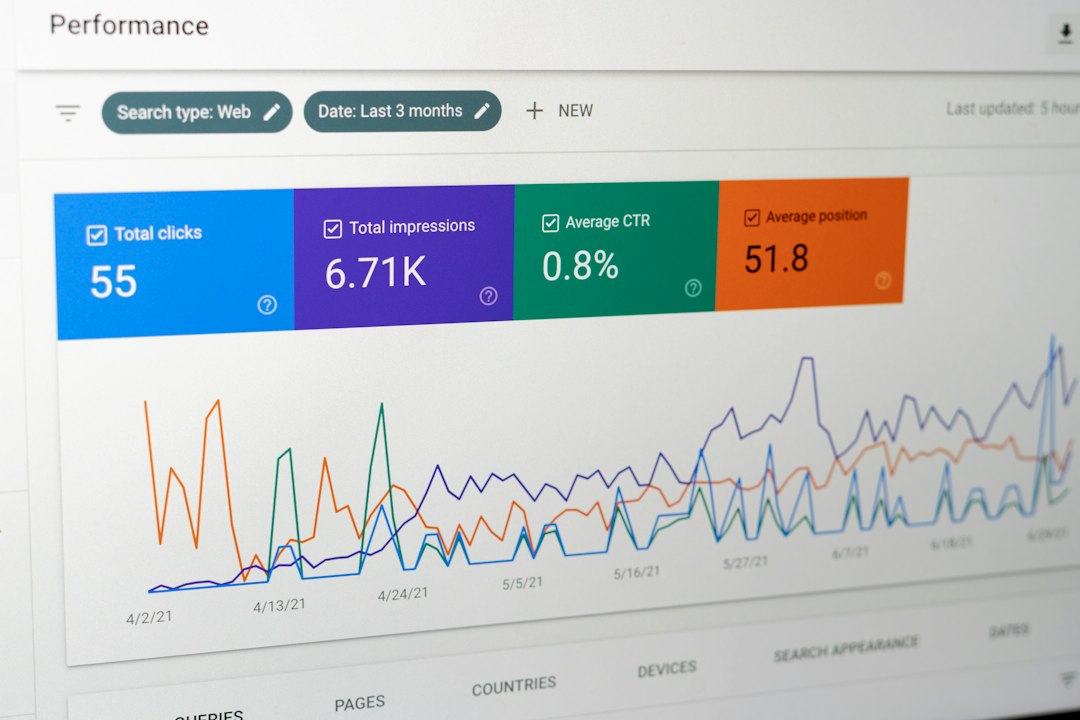
Watch for declining rankings, rising impressions with low clicks, new queries in search performance reports, and paid search terms that spend money without converting. These signals show where to update content, add exclusions, or create new pages.
Final thoughts
The best keyword research in 2026 combines data with judgment. Tools can show what people search, but your strategy must decide which searches matter. Focus on intent, organize keywords into useful clusters, prioritize business value, and maintain a strong exclusion list. When you target the right terms and filter out the wrong ones, keyword research becomes more than an SEO task; it becomes a practical guide to understanding your market.