
If an iPhone has a spot on the screen, first confirm whether it is caused by software or physical display damage; if the spot does not appear in screenshots, the screen hardware is usually the problem. Display diagnostics can help you avoid paying for an unnecessary repair, but they cannot fix dead pixels, pressure marks, OLED burn-in, liquid damage, or a damaged backlight layer. A proper diagnosis should take 10 to 15 minutes. A rushed guess can cost far more.
TLDR: Run simple display checks first, especially the screenshot test and solid color screen test. If the spot stays visible on the glass but does not show in a screenshot, it is probably a panel issue and may need professional screen replacement. For example, a user who sees a thumb-sized dark patch after dropping an iPhone 13 will usually not fix it with settings or updates. In repair cases, roughly 70% to 80% of persistent black or purple spots are linked to physical screen damage, pressure, or liquid exposure.
What the Spot Usually Means
A spot on an iPhone screen can look small at first. Then it spreads. Or it stays fixed and annoying. It may appear as a black dot, white cloud, green tint, purple bruise, or yellow patch. Each version points to a different fault.
- Black spot: often dead pixels, OLED damage, or pressure damage.
- White bright spot: may be backlight damage on LCD models or pressure beneath the screen.
- Green line or green patch: common with OLED panel faults or internal connector damage.
- Yellow tint: can be heat, adhesive aging, True Tone settings, or display layer damage.
- Purple or ink-like stain: usually damaged OLED material or liquid intrusion.
It drives me crazy that many users are told to “just update iOS” when there is a clear dark blotch under the glass. Updates help software faults. They do not repair crushed pixels.
Start With the Screenshot Test
The fastest and most useful check is the screenshot test. It separates screen panel faults from software or graphics issues.
- Open the screen where the spot is easy to see.
- Take a screenshot.
- Send that screenshot to another phone, tablet, or computer.
- View it on the second device.
If the spot appears in the screenshot on the second device, the issue may be software, image rendering, or a graphics problem. If the spot is not visible in the screenshot, the problem is almost certainly with the physical iPhone display.
This test is not perfect, but it is reliable enough for first-line screening. It also gives you useful evidence before speaking with Apple Support, a carrier, or a repair shop.
Run Basic Display Diagnostics Before Paying for Repair
Before booking a screen replacement, run a few controlled checks. They cost nothing and may save you from a bad repair decision.
- Restart the iPhone: A temporary graphics glitch can clear after a restart.
- Update iOS: Rare display bugs do happen, especially after major releases.
- Disable color filters: Go to Accessibility settings and check display adjustments.
- Turn off True Tone and Night Shift: These can make yellowing or tint look worse.
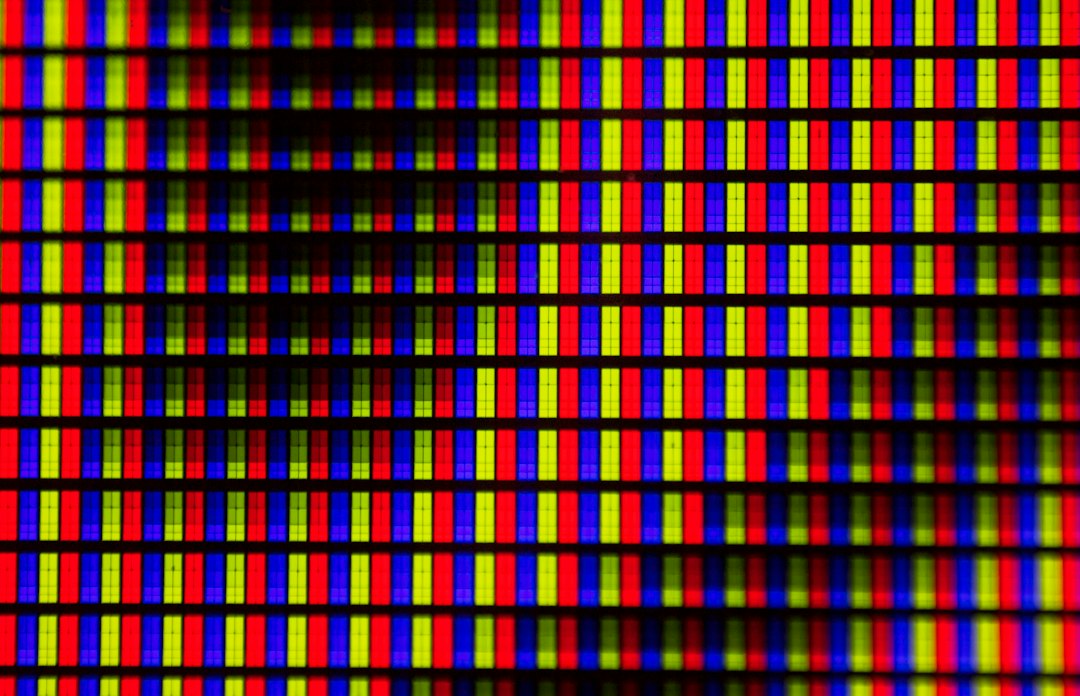
- Test solid colors: Open full-screen red, green, blue, white, gray, and black images.
- Check brightness levels: Some spots only appear at low brightness or maximum brightness.
- Inspect touch response: If the spot area also ignores touch, hardware damage is more likely.
Honestly, it feels like diagnostics should be easier on a device this expensive. Instead, you may spend 20 minutes switching backgrounds and brightness levels just to confirm what your eyes already suspected.
When Diagnostics Are Enough
Diagnostics may be enough if the issue turns out to be visual settings, app behavior, or a temporary software fault. For example, a yellow cast that disappears after disabling Night Shift is not a broken screen. A dark patch that appears only inside one app may also be app-related.
You may not need replacement if:
- The spot appears only in one app.
- The spot appears in screenshots viewed on other devices.
- The color changes after turning off accessibility filters.
- The issue started after an iOS update and improves after another update or reset.
- There is no fixed mark on solid color test screens.
In these cases, back up the phone, update iOS, reset display-related settings, and monitor the issue. A full screen replacement should not be the first move.
When Professional Screen Replacement Makes Sense
Professional replacement is the right answer when the display panel is physically failing. This is especially true if the spot grows, spreads like ink, flickers, or appears with lines. A small OLED bruise can become a large black area after pressure or heat.
Book a repair if you see:
- A black or purple spot after impact, even if the glass is not cracked.
- Green vertical lines that stay on every screen.
- White pressure marks that do not move or fade.
- Touch failure near the spot.
- Flickering, dimming, or random brightness changes.
- Liquid signs, such as fog under the glass or stains around the edges.
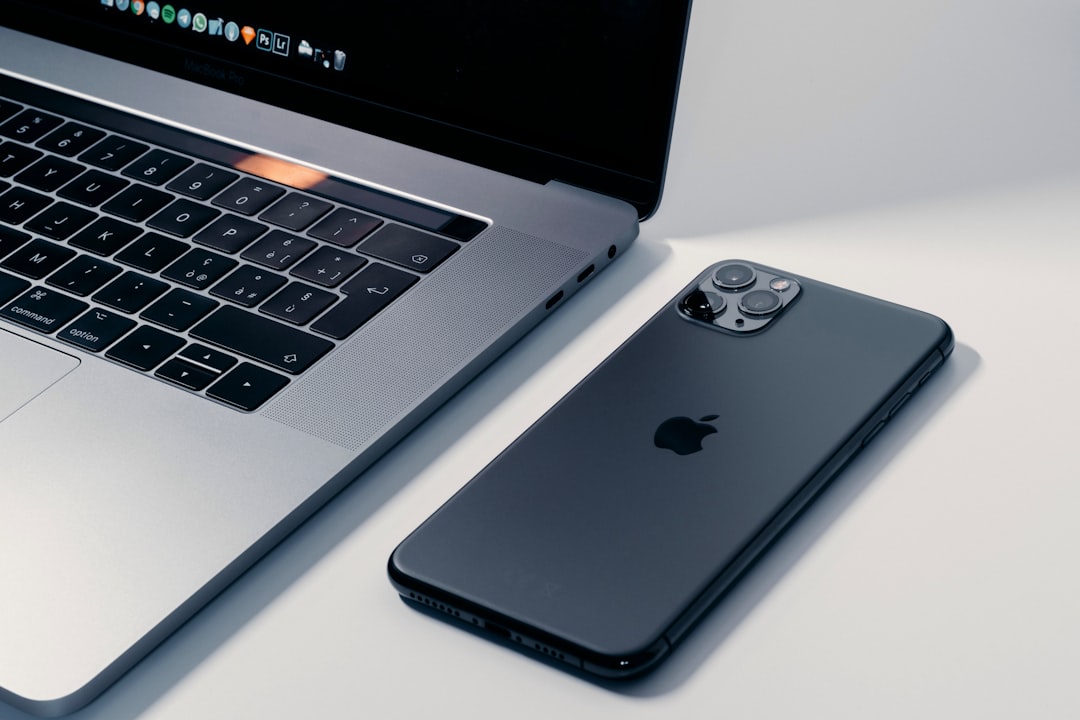
A serious repair shop should inspect the device before quoting the final price. The technician should check for frame bends, swollen battery pressure, water indicators, Face ID function, and display connector damage. Replacing only the screen may not solve the issue if the battery is swelling from underneath.
Apple, Authorized Repair, or Independent Shop?
Apple and authorized service providers are the safest choice for warranty status, genuine parts, and calibration. They are also usually more expensive. Independent repair shops may cost less and offer faster service, but quality varies sharply.
Ask these questions before approving repair:
- Is the replacement screen genuine, refurbished original, or aftermarket?
- Will True Tone stay active after repair?
- Will there be a parts warning in Settings?
- Is Face ID tested before and after repair?
- What warranty covers the new screen?
- Will the phone keep its water resistance rating?
Be cautious with very cheap repairs. Poor screens may have weak brightness, bad color, thick bezels, slow touch response, or fragile glass. A low price is not useful if the display looks worse than the damaged one.
Cost and Risk Factors
Screen replacement cost depends on model, part quality, region, and warranty status. OLED iPhones usually cost more to repair than older LCD models. Newer Pro models can be much more expensive because the panel supports high brightness, accurate color, and high refresh rates.
If the iPhone has AppleCare+, accidental damage repair is usually far cheaper than paying out of pocket. Without coverage, the price can feel painful. That is why diagnostics matter. You want proof before spending money.
The biggest risks are not just cost. Bad repair can affect Face ID, display calibration, dust sealing, battery safety, and resale value. A careful technician should explain these risks before opening the phone.
Do Not Ignore a Growing Spot
A stable tiny dead pixel may stay harmless for years. A growing dark patch is different. It can signal spreading OLED failure, internal pressure, or liquid damage. If liquid is involved, waiting can damage the logic board, charging port, speaker, and camera system.
Stop using the phone heavily if the screen heats up, flickers, or shows spreading stains. Back up your data right away. Use iCloud or a computer backup. A display problem can turn into an access problem if the touch layer fails.
Practical Recommendation
Use diagnostics first, but do not expect miracles. Take a screenshot, test solid colors, restart, update, and check display settings. If the spot remains fixed on the physical screen and does not appear in screenshots, treat it as hardware damage.
For a tiny stable dot, you can monitor it if the phone is usable and backed up. For a growing mark, color stain, touch failure, or post-drop spot, get a professional inspection. Screen replacement is not always cheap, but when the panel is damaged, it is the only real fix.