
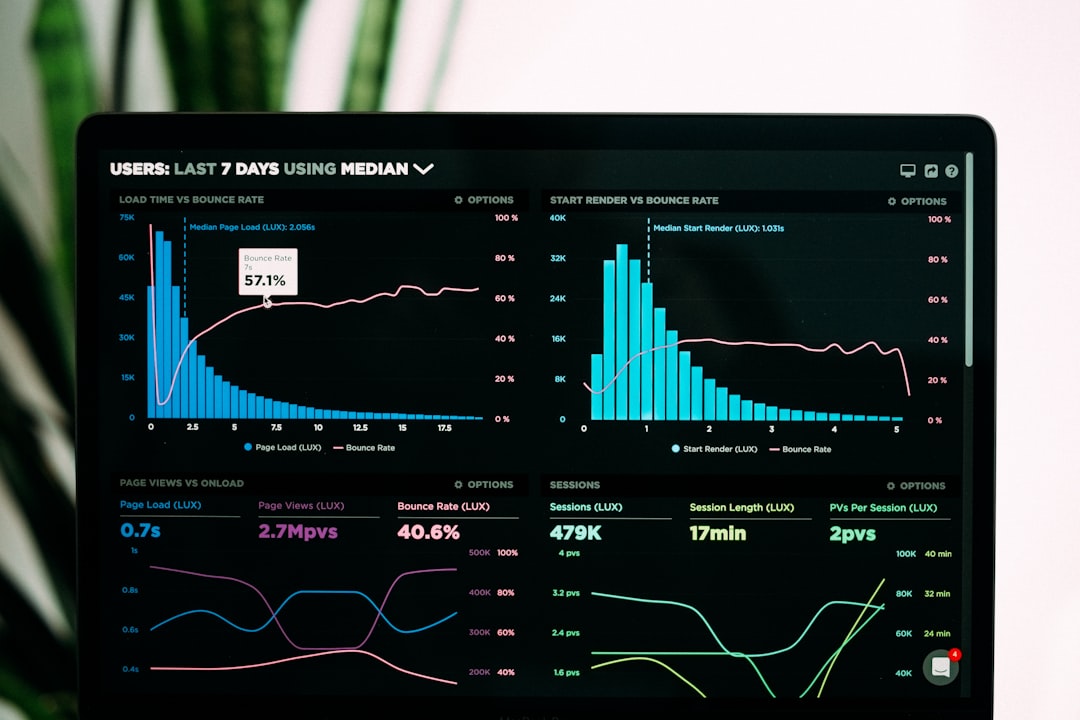

Digital marketing decisions are no longer driven solely by intuition or historical performance. As technology evolves at an unprecedented pace, marketers must continually adapt their strategies to remain competitive, relevant, and effective. Leveraging emerging tech trends allows decision-makers to translate complex data into actionable insights, optimize customer experiences, and allocate budgets with greater confidence.
TL;DR: Modern digital marketing success depends on understanding and applying key technology trends in a strategic way. Tools like artificial intelligence, automation, advanced analytics, and privacy-first technologies enable smarter, faster, and more accurate decision-making. Marketers who align these trends with business goals can improve performance, reduce waste, and future-proof their strategies.
Understanding the Role of Technology in Digital Marketing
Technology has shifted digital marketing from a creative-only discipline to a data-driven ecosystem. Platforms now offer real-time insights into consumer behavior, campaign performance, and market movements. When properly leveraged, these tools empower marketers to make evidence-based decisions rather than relying on assumptions.
At its core, leveraging tech trends means understanding more than just which tools are popular. It requires recognizing why a technology matters, how it fits within existing processes, and what measurable impact it delivers. Decision-makers who treat technology as a strategic asset rather than a novelty are better positioned to achieve consistent growth.
Artificial Intelligence as a Decision-Making Engine
Artificial intelligence has become one of the most influential forces in digital marketing. From predictive analytics to content generation, AI enables marketers to anticipate outcomes and model different scenarios before committing resources.
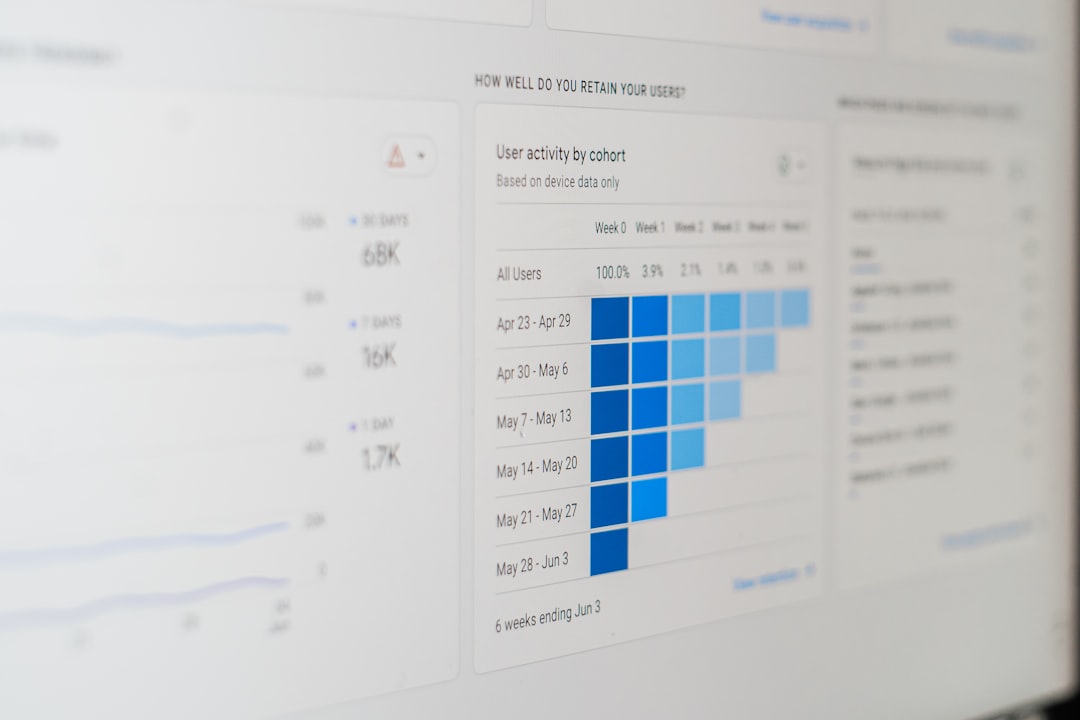
AI-powered platforms can analyze massive datasets and surface patterns that human teams may overlook. This capability improves decisions such as:
- Audience targeting by identifying high-intent segments
- Content optimization through performance prediction
- Budget allocation across channels based on ROI forecasts
Rather than replacing human judgment, AI augments it. The most effective organizations use AI outputs as decision-support tools, combining machine insights with contextual understanding.
Marketing Automation and Operational Efficiency
Another critical trend shaping digital marketing decisions is automation. Automation tools eliminate repetitive tasks, allowing teams to focus on strategy, creativity, and analysis.
Email workflows, ad bidding, lead scoring, and customer nurturing can all be automated based on predefined rules or behavioral triggers. This consistency improves decision accuracy by reducing human error and ensuring timely engagement.
More importantly, automation produces cleaner data. With standardized processes in place, marketers can confidently compare campaign performance and identify what truly drives results.
Advanced Analytics and Real-Time Data
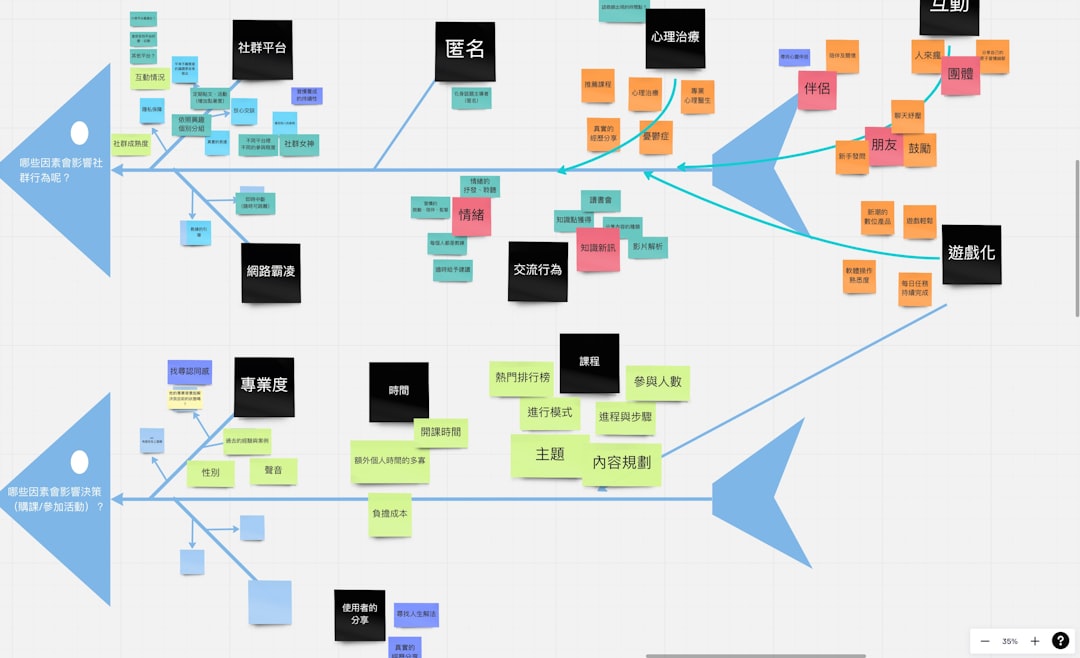
Modern analytics platforms go far beyond basic traffic and conversion metrics. Today’s tools offer real-time dashboards, attribution modeling, and cross-channel performance tracking, all of which inform better decisions.
By leveraging advanced analytics, marketers can move from reactive to proactive decision-making. For example, real-time insights allow teams to adjust campaigns mid-flight rather than waiting until budgets are exhausted.
Key analytical capabilities influencing decisions include:
- Multi-touch attribution to understand the full customer journey
- Predictive analytics to forecast future performance
- Cohort analysis to evaluate long-term customer value
Customer Experience Technology and Personalization
Consumer expectations for personalization continue to rise, and technology plays a central role in meeting them. Customer data platforms (CDPs), personalization engines, and experience management tools all support better marketing decisions by centralizing insights.
These systems allow marketers to deliver relevant messaging across touchpoints while maintaining a unified customer view. Decisions about timing, tone, and channel selection are no longer guesswork but informed choices based on behavioral data.

As personalization becomes more sophisticated, ethical decision-making also gains importance. Effective marketers balance relevance with respect for user privacy and consent.
Privacy-First Technologies and Compliance
Data privacy regulations and the decline of third-party cookies are reshaping how marketers collect and use data. Technologies designed for privacy-first marketing are now essential decision-making tools.
Consent management platforms, first-party data strategies, and contextual targeting solutions help marketers adapt without sacrificing performance. Leveraging these trends enables smarter decisions that protect both the brand and the consumer.
Organizations that proactively invest in privacy-compliant technologies tend to:
- Build greater consumer trust
- Reduce legal and reputational risks
- Create more sustainable data strategies
Evaluating Which Tech Trends to Adopt
Not every trend is worth pursuing. The most effective digital marketing decisions come from disciplined evaluation rather than fear of missing out.
Decision-makers should assess tech trends using criteria such as:
- Business alignment with objectives and KPIs
- Integration potential with existing systems
- Scalability as the organization grows
- Usability for internal teams
This structured approach ensures that technology investments translate into measurable marketing impact.
Building a Tech-Driven Decision Culture
Leveraging tech trends effectively requires more than tools; it requires a cultural shift. Organizations must encourage data literacy, cross-functional collaboration, and continuous learning.
When teams understand how technology informs decisions, adoption improves and insights are used more consistently. Leaders play a critical role by modeling data-driven behavior and prioritizing informed experimentation.
Over time, this culture transforms digital marketing into a strategic growth engine rather than a tactical cost center.
Frequently Asked Questions
-
Why are tech trends important for digital marketing decisions?
Tech trends provide new ways to collect, analyze, and act on data, enabling more accurate and timely decision-making. -
How can small teams leverage advanced marketing technology?
By focusing on scalable, user-friendly tools and prioritizing trends that deliver clear value, small teams can compete effectively. -
Is AI necessary for modern digital marketing?
While not mandatory, AI significantly enhances forecasting, personalization, and efficiency, making it a strong competitive advantage. -
How do privacy regulations affect tech-driven decisions?
They require marketers to adopt compliant technologies and rethink data strategies, influencing everything from targeting to measurement. -
What is the biggest risk when adopting new marketing technology?
The biggest risk is investing in tools without clear alignment to business goals, leading to underutilization and wasted resources.