


TikTok usually pays creators a small amount per 1,000 qualified views, but real earnings depend far more on watch time, audience location, content type, engagement, and brand deals than on view count alone. A video with 1 million views may earn only a few dollars from an older fund-style program, or tens to hundreds of dollars under higher-paying creator programs if the views qualify. The most reliable income usually comes from a mix of TikTok monetization, sponsorships, affiliate sales, live gifts, and product sales.
TLDR: TikTok pay is not fixed. Many creators report earnings ranging from under $0.05 to several dollars per 1,000 views, depending on the program and audience quality. For example, a finance creator with 500,000 qualified views from the U.S. might earn much more than an entertainment creator with 2 million low-retention global views. A realistic strategy is to treat TikTok payouts as one income stream, not the whole business.
How TikTok Creator Earnings Work
TikTok does not pay every creator for every view. That is the first point many people miss. To earn directly from TikTok, a creator usually needs to qualify for a monetization program available in their country. These programs have rules on age, follower count, view history, account standing, and original content.
The older TikTok Creator Fund became known for low payouts. Many creators reported earnings of only a few cents per 1,000 views. TikTok later introduced newer programs, such as the Creator Rewards Program in selected regions, which focuses more on longer, original videos and performance quality.
Honestly, it feels like payout screenshots create more confusion than clarity. One creator may show $20 from a viral post, while another shows $600 from a similar view count. Both can be true. The difference is usually in qualified views, audience region, retention, niche, and the monetization program used.

Typical TikTok Pay Per View
There is no universal rate. Still, public creator reports and industry estimates suggest some rough ranges:
- Older fund-style payouts: often around $0.02 to $0.04 per 1,000 views.
- Newer creator reward programs: sometimes from $0.40 to $1.00 or more per 1,000 qualified views, though results vary widely.
- Brand sponsorships: often far higher, from $100 to several thousand dollars per post, based on niche, audience trust, and performance.
- Affiliate or product sales: can exceed direct TikTok payouts if the creator has buying intent in the audience.
A basic example helps. If a creator earns $0.50 per 1,000 qualified views, then 1 million qualified views would bring about $500. If only 300,000 of those views qualify, the payout may be closer to $150. If the rate is only $0.03 per 1,000 views, the same 1 million views may earn about $30.
Views Matter, But Qualified Views Matter More
A view count on a public video is not the same as a paid view. TikTok may filter views based on region, authenticity, video length, originality, engagement, and watch behavior. Repeat views, low-quality traffic, or views from unsupported countries may not count in the same way.
This is why creators often feel misled. A video can show big numbers and still pay poorly. It drives me crazy that many people treat RPM as a fixed rate, when it is really a moving result after TikTok applies its own rules.
RPM means revenue per 1,000 views. On TikTok, creators often use it to estimate what they earn per 1,000 qualified views. But RPM can rise or fall from one video to the next.
Engagement and Watch Time Affect Revenue
TikTok rewards content that keeps people watching. A video with strong retention is more likely to be pushed to more users. More distribution can lead to more qualified monetized views.
Key engagement signals include:
- Average watch time: how long people stay before swiping away.
- Completion rate: the percentage of viewers who finish the video.
- Rewatches: a sign that the content is useful, funny, or surprising.
- Comments and shares: often stronger than likes because they require more effort.
- Saves: useful for educational, finance, recipe, fitness, and tutorial content.
For longer-form monetization programs, videos over one minute may perform better if they hold attention. A 75-second video with 55% average retention may be more valuable than a 10-second clip that people skip quickly after the hook.
Main TikTok Monetization Programs
TikTok income can come from several sources. Some are paid by TikTok. Others are paid by viewers, brands, or customers.
- Creator Rewards Program: Pays eligible creators for original videos that meet length, quality, and performance rules. Availability depends on country.
- LIVE Gifts: Viewers can send virtual gifts during live streams. Creators may convert eligible gifts into earnings.
- Subscriptions: Some creators offer paid access to special live content, chats, or perks.
- TikTok Shop affiliate: Creators can promote products and earn commissions when viewers buy.
- Brand deals: Companies pay creators to promote products, services, apps, or events.
- Series or premium content: In some regions, creators can sell access to paid video collections.
Brand deals usually pay best for creators with a clear niche. A skincare creator with 60,000 loyal followers may earn more from sponsors than a comedy page with 500,000 passive followers. Brands care about sales, trust, and audience fit.
Factors That Influence TikTok Revenue
Several factors can raise or lower earnings:
- Audience country: Views from countries with higher ad spending tend to pay more.
- Niche: Finance, software, education, business, tech, and health often attract higher-value advertisers.
- Originality: Reposted clips and low-effort edits may be limited or disqualified.
- Video length: Some programs favor videos over one minute.
- Account trust: Policy violations can reduce reach or remove monetization access.
- Seasonality: Advertiser spending often rises near holidays and major shopping periods.
- Conversion ability: Creators who can sell products or generate leads earn more outside direct payouts.
Example Creator Scenarios
Scenario one: A comedy creator posts short viral clips and gets 10 million monthly views. If the account earns $0.03 per 1,000 views, direct payout may be around $300. That sounds low, but it matches what many creators saw under older payout models.
Scenario two: A personal finance creator gets 1.2 million qualified monthly views through longer original videos. At $0.80 per 1,000 qualified views, that creator could earn around $960 from TikTok payouts. Add one sponsor at $1,500 and affiliate sales of $700, and total monthly income becomes $3,160.
Scenario three: A beauty creator with 80,000 followers uses TikTok Shop affiliate links. One video sells 400 units of a $25 product with a 10% commission. That is $1,000 from affiliate sales, even if the direct video payout is modest.
How to Improve TikTok Earnings
Creators who want stronger revenue should focus on more than viral reach. The better goal is repeatable content with a clear audience.
- Build around a niche: Brands and buyers need to understand what the account is about.
- Make original videos: Avoid recycled clips that may be flagged or ignored.
- Improve the first three seconds: Weak openings kill retention fast.
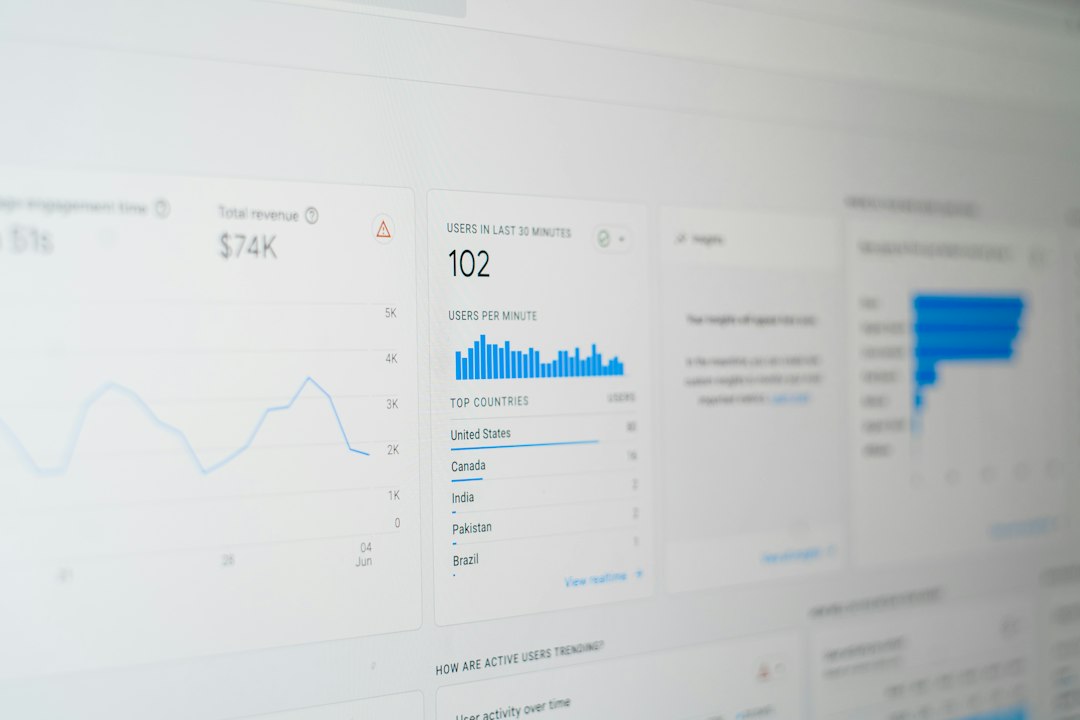
- Track qualified performance: Use creator analytics, not just public view counts.
- Add income streams: Use sponsorships, affiliate links, email lists, products, or services.
- Protect account standing: Policy strikes can hurt reach and monetization.
So, How Much Does TikTok Pay?
TikTok can pay almost nothing, a few dollars, or thousands per month. The answer depends on which earnings source you mean. Direct platform payouts are often modest unless the creator has strong qualified views in a supported program. Sponsorships, affiliate sales, and products usually change the math.
A serious creator should treat TikTok as an audience engine first and a payout system second. Views help, but trust pays more. The creators who earn the most usually have a clear niche, strong retention, clean analytics, and a practical offer behind the content.