

Southwest Airlines has long stood out in the aviation industry for doing things differently—especially when it comes to boarding. Instead of assigning seats, the airline uses an open seating policy and a structured boarding group system that rewards early check-in and loyalty. If you’re flying Southwest in 2026, understanding exactly how many boarding groups there are and how the system works can make the difference between snagging your favorite window seat and settling for a middle seat near the back.
TLDR: In 2026, Southwest Airlines uses three main boarding groups—A, B, and C—each divided into numbered positions from 1–60. Boarding is based on check-in order, ticket type, and loyalty perks, not assigned seating. Passengers board in numerical order within their group, after preboarding and special assistance groups. Understanding how EarlyBird Check-In, Upgraded Boarding, and elite status work can significantly improve your boarding position.
How Many Boarding Groups Does Southwest Have in 2026?
As of 2026, Southwest Airlines has three primary boarding groups:
- Group A (Positions A1–A60)
- Group B (Positions B1–B60)
- Group C (Positions C1–C60)
Passengers are assigned a letter (A, B, or C) and a number (1–60). Your boarding pass might say something like A23 or B45. The letter determines your general boarding group, and the number specifies your precise place in line.
That means a maximum of 180 numbered boarding positions are typically available on a full flight, though most Southwest aircraft seat fewer passengers than that total.
Step 1: Preboarding (Before Group A)
Before the main A, B, and C groups begin, Southwest invites certain passengers to board early under Preboarding.
This includes:
- Passengers with disabilities who need extra time or specific seating
- Customers requiring in-cabin medical equipment setup
- Travelers who need assistance down the jet bridge
Important: Preboard passengers can select any open seat, including bulkhead and exit rows (if eligible).
Step 2: Group A Boarding (A1–A60)
After preboarding, Southwest begins calling Group A, starting with A1 and continuing sequentially through A60.
Group A typically includes:
- Business Select passengers (usually A1–A15)
- Rapid Rewards A-List and A-List Preferred members
- Customers who purchased Upgraded Boarding
- EarlyBird Check-In purchasers (depending on availability)
- Passengers who checked in exactly 24 hours before departure
Within Group A, passengers line up according to their number. Southwest gates feature clearly marked poles displaying number ranges (for example, A1–A5, A6–A10, etc.), making it easier to self-organize.
Image not found in postmetaIf you’re in A1–A15, you’re among the very first standard passengers to board—giving you first pick of seats and overhead bin space.
Step 3: Families with Young Children
After Group A finishes, Southwest invites Family Boarding passengers onto the aircraft.
This applies to:
- Up to two adults traveling with a child aged 6 or younger
Family Boarding happens between Groups A and B. This allows families to find seats together without needing to secure early A positions.
Step 4: Group B Boarding (B1–B60)
Next comes Group B. Boarding proceeds sequentially from B1 to B60.
Group B often includes:
- Passengers who checked in later within the 24-hour window
- Some EarlyBird Check-In customers on full flights
- Wanna Get Away and Wanna Get Away Plus fares
By the time Group B boards, aisle and window seats toward the front of the aircraft are often taken. However, it’s still usually possible to find:
- Window seats in the middle or rear
- Aisle seats further back
- Empty middle seats (depending on load factor)
Step 5: Group C Boarding (C1–C60)
Group C is the final general boarding group.
If you receive a C boarding position, it usually means:
- You checked in very late
- The flight is nearly full
- You purchased the lowest fare and did not add EarlyBird
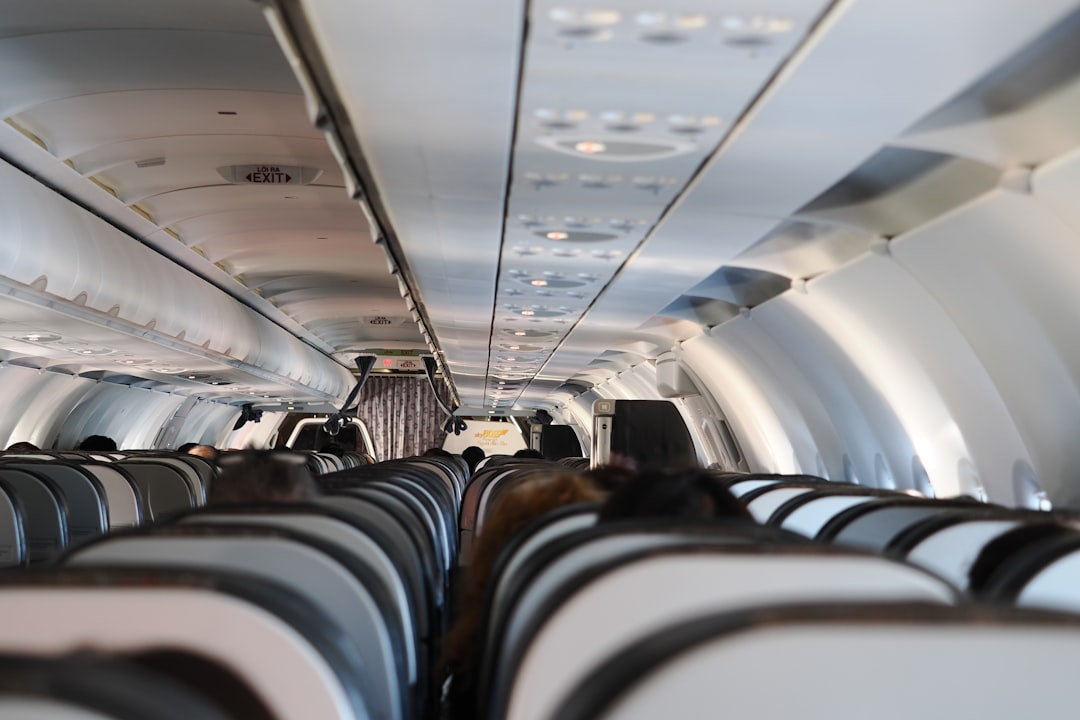
At this stage, seat selection becomes limited. Middle seats are typically the most available, and overhead bin space may be scarce.
How Southwest Assigns Boarding Positions
Southwest does not assign seats. Instead, it assigns boarding positions based primarily on check-in time.
Here’s how it works step-by-step:
- Ticket Purchase: You buy your ticket days, weeks, or months in advance.
- Check-In Opens: Exactly 24 hours before departure.
- Boarding Position Assigned: The earlier you check in, the better your boarding spot (unless you have priority benefits).
- Boarding Pass Issued: You receive a letter and number (e.g., B12).
If you forget to check in immediately at the 24-hour mark, your boarding position can drop dramatically.
Ways to Improve Your Boarding Position in 2026
Southwest offers several options to avoid ending up in Group C.
1. Business Select Fare
- Guaranteed A1–A15 position
- Premium drink included
- Refund flexibility
2. EarlyBird Check-In
- Automatic check-in before the 24-hour window
- Better boarding position (not guaranteed A group)
3. Upgraded Boarding
- Purchase at gate or check-in
- Moves you into A1–A15 (if available)
4. Rapid Rewards Elite Status
- A-List members receive priority boarding
- Automatic check-in benefits
Comparison Chart: Boarding Improvement Options
| Option | Typical Boarding Group | Best For | Cost Level |
|---|---|---|---|
| Business Select | A1–A15 | Business travelers, early seat choice | High |
| Upgraded Boarding | A1–A15 (if available) | Last-minute upgrades | Medium to High |
| EarlyBird Check-In | A or B | Vacation travelers | Low to Medium |
| Standard Check-In (24 Hours) | B or C | Budget-conscious flyers | Free |
What Makes Southwest’s Boarding Unique?
Unlike airlines that assign seats during booking, Southwest’s open seating model:
- Speeds up boarding
- Encourages passenger efficiency
- Reduces pricing complexity tied to specific seats
Passengers choose any available seat once on board. This often results in:
- Faster aircraft turnaround times
- Higher aircraft utilization
- A competitive pricing advantage
Expert Tips to Get the Best Seat
If securing a great seat is your priority, consider these strategies:
- Set a check-in alarm for exactly 24 hours before departure.
- Use the Southwest mobile app for faster check-in.
- Consider EarlyBird on longer flights.
- Sit toward the back if you want a better chance at an empty middle seat (many passengers avoid rear rows).
- Choose aisle seats near the front if you want a fast exit.
Does Southwest Plan to Change Boarding in the Future?
As of 2026, Southwest maintains its signature open seating and three-group boarding system. While airline industry trends increasingly favor assigned seating and tiered pricing, Southwest continues to differentiate itself with a simplified structure focused on speed and customer choice.
Any future changes would likely maintain the core three boarding groups while potentially refining loyalty and upgrade options.
Final Thoughts
So, how many boarding groups does Southwest Airlines have in 2026? The answer is simple: three primary groups—A, B, and C—each split into 60 numbered positions. However, the real boarding sequence also includes preboarding and family boarding, making the process more nuanced than it first appears.
Understanding how boarding positions are assigned—and how to improve yours—can significantly enhance your travel experience. Whether you aim for that coveted A1–A15 slot or simply want to avoid a middle seat in Group C, a little planning goes a long way. Southwest’s system may look unconventional, but once mastered, it’s predictable, efficient, and surprisingly empowering for travelers who know how to work it.