


In the world of e-commerce, efficient and timely order processing is essential to customer satisfaction. However, over the past few years, a growing number of customers across various platforms—including Amazon, eBay, Etsy, and independent online retailers—have encountered a persistent issue: orders becoming stuck in the ominous “Preparing for Shipment” status, sometimes for weeks on end. This delay not only undermines trust but creates logistical confusion for buyers and sellers alike.
TLDR:
Buyers facing extended delays with orders stuck in “Preparing for Shipment” have discovered various strategies to resolve the issue. Most begin by contacting customer service, but many have found quicker resolutions through escalation tactics like social media outreach and financial disputes. A combination of vigilance, documentation, and pressure on sellers or platforms often leads to a satisfactory outcome. Ultimately, knowing your rights and acting promptly are key.
Understanding the Problem
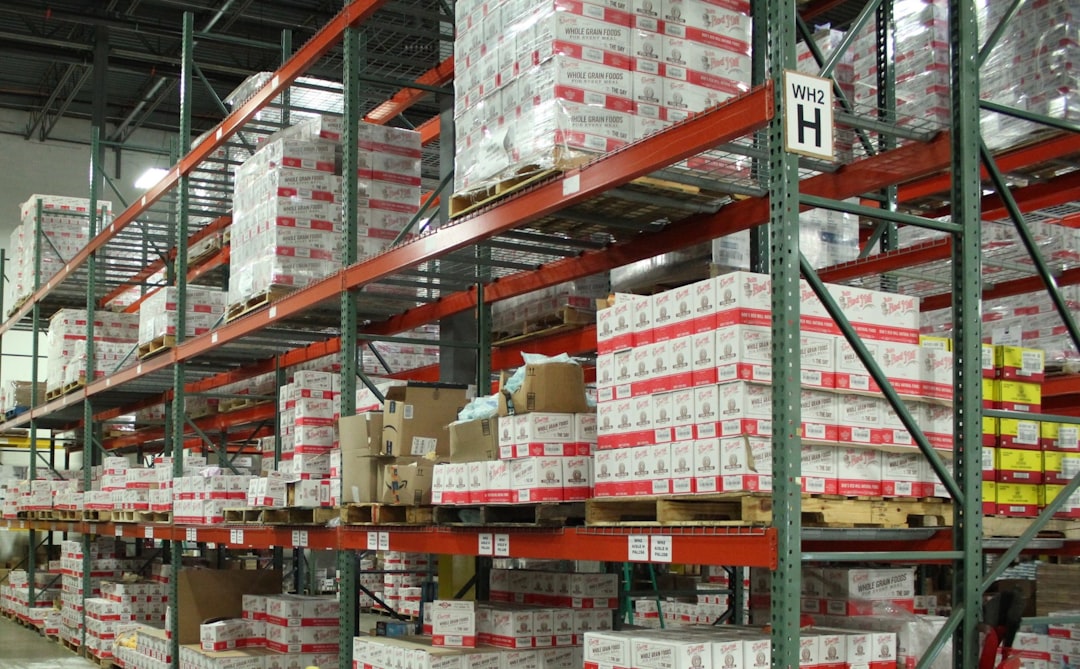
Order processing involves several back-end logistics steps, including item picking, packaging, and queueing for carrier pickup. When an order is marked as “Preparing for Shipment,” it is typically waiting in this queue. However, supply chain issues, lost items, warehouse mismanagement, or automated fulfillment errors can cause indefinite delays at this stage.
For buyers, the frustration often begins after receiving an estimated shipping window that comes and goes without any progress. The order remains in limbo, with no tracking info, no communication from the seller, and no clarity on whether the item will ever ship.
Common Causes for Delays in “Preparing for Shipment”
- Stock Issues: Sometimes the item has gone out of stock or is misplaced in the warehouse.
- Automated Systems Failures: Delays caused by fulfillment software not triggering the appropriate shipment actions.
- Third-Party Seller Problems: Items sold by marketplace sellers who fail to fulfill the order or provide updates.
- Holidays and Peak Seasons: During Black Friday, Christmas, or Lunar New Year, logistical chains are especially vulnerable to delays.
How Buyers Took Action and Got Results
Faced with inaction and uncertainty, buyers across review forums, Reddit threads, and consumer rights websites began to document how they solved prolonged “Preparing for Shipment” delays. These grassroots solutions now form a de facto playbook for other frustrated shoppers.
Step 1: Contact Customer Support—But Don’t Stop There
The first and obvious step is reaching out to platform or seller support. Many buyers report that their efforts here are met with standardized replies such as “We are investigating” or “Your order is being prepared.”
Tip: Always ask for a specific timeframe for resolution and get a case or ticket number. This creates documentation for potential escalation down the line.
Step 2: Check for Tracking Activity
A stuck order might already have a shipping label created, which gives no real indication that the package is on its way. By copying and pasting the tracking number into the carrier’s website directly (e.g., USPS, FedEx), buyers can confirm whether the item is still at the warehouse or lost in transit.
Step 3: Make Use of Social Media to Escalate
When traditional support channels failed, buyers turned to social media like Twitter/X and Facebook to tag official platform accounts along with a clear description of the delay. Many reported getting responses within hours.
Example: A customer whose package was pending shipment for 12 days got a new delivery scheduled within 48 hours after publicly tweeting at the retailer.
Step 4: File a Dispute with Your Payment Provider
If communication fails and delays continue past a reasonable period (typically 7–14 business days, depending on platform policy), buyers are often successful in filing disputes through their credit card issuer, PayPal, or bank.
- PayPal: Offers a resolution center where users can file “Item Not Received” claims.
- Credit Cards: Most allow disputes within 60 days of the charge under Fair Credit Billing Act protections.
This financial leverage often incentivizes sellers or platforms to resolve the issue swiftly to avoid chargebacks or penalties.
Platform-Specific Workarounds
Buyers found customized solutions depending on which platform they were purchasing from. Here’s how different marketplaces responded:
Amazon
Because many products are fulfilled through Amazon’s own logistics (FBA), stuck orders may be resolved by selecting “Problem with Order” in your Orders tab and choosing “Request a Replacement” if available. Additionally, some Prime members reported better success via the Amazon mobile app’s chat function rather than email support.
eBay
Buyers noted success by selecting the “I didn’t receive my item” option in the Resolution Center. If escalated, eBay usually processes refunds within 72 hours if sellers fail to provide tracking updates after a pre-defined period.
Etsy
Options on Etsy include opening a case against the shop through the platform if the item isn’t shipped by the ship-by date. This often prompts contact from the seller or triggers Etsy to step in and provide refunds directly.

Long-Term Community Advice for Persistent Buyers
Beyond handling a single stuck order, savvy shoppers now adopt certain strategies to minimize the risk of future delays. These include:
- Avoiding Low-Rated Sellers: Filter out vendors with less than a 90% satisfaction rating.
- Saving a Screenshot of Your Estimated Delivery Date: Helps if you need to prove non-fulfillment later.
- Reading Seller Reviews for Shipping Complaints: Many users mention “slow shipping” or “non-responsive” behavior before ordering.
- Using Payment Methods That Offer Dispute Protections: Credit cards and PayPal are safer than direct bank transfers or obscure apps.
Consumer Protection Laws and What to Know
In the U.S., the Federal Trade Commission (FTC) mandates that a seller must ship goods within the time stated or within 30 days if no time is specified. If they can’t, they must obtain the buyer’s consent to continue waiting, or else issue a refund. Familiarizing oneself with local consumer laws can empower international buyers as well.
Similar protections exist in the EU, Canada, Australia, and parts of Asia. In many cases, filing a complaint through consumer protection portals accelerates response.
Conclusion: The Key is Prompt, Persistent Action
While having an order get stuck in “Preparing for Shipment” is undeniably frustrating, the growing body of consumer experience shows that resolution is often a matter of knowing your options and acting decisively. Whether it’s through internal customer support channels, social media exposure, or formal payment disputes, buyers are increasingly holding retailers accountable for logistical lapses.
With due vigilance, proper documentation, and a clear understanding of platform policies, delays in fulfillment can be remedied in most cases—restoring trust in the online shopping experience.