
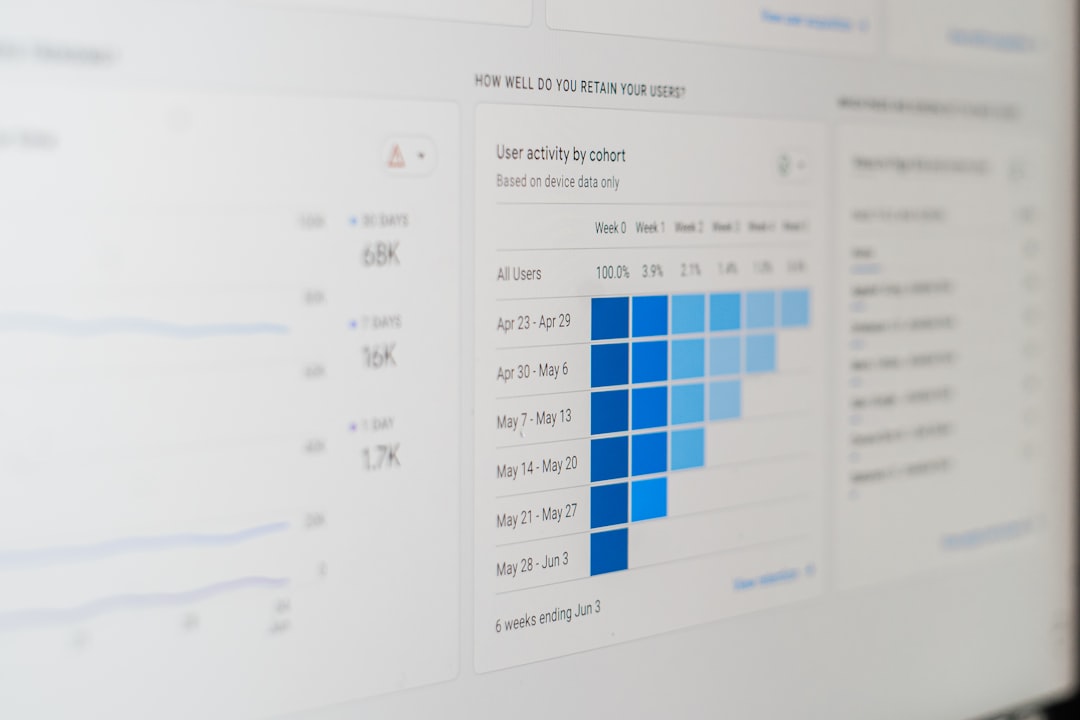

In today’s competitive digital landscape, reliable and scalable SEO data is a fundamental requirement for businesses, agencies, and software providers. The DataForSEO API has emerged as a powerful solution for accessing real-time and historical SEO data at scale. Whether you are building an SEO platform, automating keyword research, or enriching your marketing analytics, understanding how to properly leverage this API is essential for long-term success.
TLDR: The DataForSEO API provides structured, scalable access to search engine data, including keywords, SERP results, backlinks, and more. It is designed for developers, agencies, and SaaS platforms that need automated SEO data workflows. Getting started requires setting up authentication, understanding endpoint structure, and planning usage strategically. When configured correctly, it becomes a robust foundation for advanced SEO tools and analytics systems.
What Is the DataForSEO API?
The DataForSEO API is a RESTful API service that provides direct programmatic access to SEO-related datasets. Instead of manually scraping search engines, businesses can send structured API requests and receive standardized data responses in JSON format.
Its core capabilities typically include:
- Keyword data (search volume, CPC, competition metrics)
- SERP data (organic results, paid ads, featured snippets)
- Backlink analysis
- On-page SEO data
- Competitor analysis metrics
This level of structured access makes it particularly suitable for:
- SEO agencies managing multiple client campaigns
- SaaS platforms building SEO dashboards
- Marketing teams automating reporting workflows
- Developers integrating SEO intelligence into digital products
Core Benefits of Using DataForSEO API
The appeal of DataForSEO lies in its combination of scalability, precision, and flexibility. Unlike many browser-based SEO tools, APIs allow for custom integrations and automation.
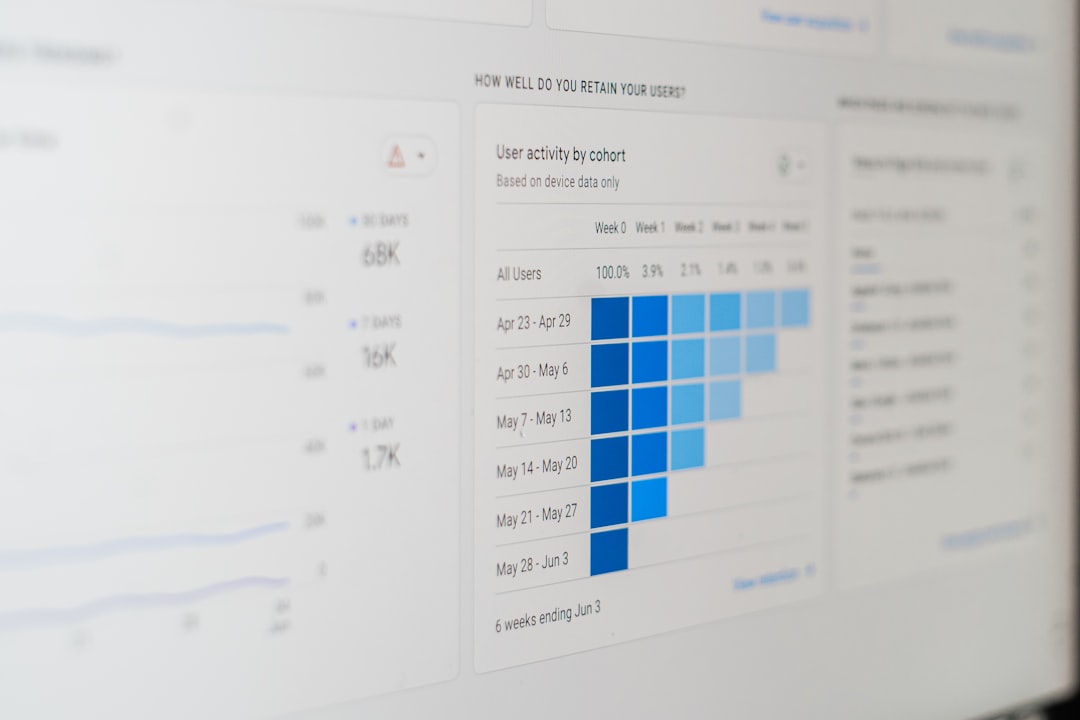
Key advantages include:
- Automation at Scale
Process thousands of keyword or SERP queries programmatically without manual intervention. - Structured Data Responses
JSON responses make it easy to integrate the data into databases, dashboards, or custom software. - Cost Efficiency
You pay only for the data you request, allowing greater budget control. - Global Data Coverage
The API often supports multiple locations and languages for precise geo-targeted research. - Custom Workflows
Developers can tailor data pipelines to match internal analytics or reporting standards.
How the API Works: Basic Architecture
The DataForSEO API follows a RESTful architecture and typically supports standard HTTP methods such as POST and GET. A typical workflow includes:
- Authenticate using API credentials (usually Basic Auth).
- Send a request to a specific endpoint.
- Receive a task ID for asynchronous processing.
- Retrieve results via a results endpoint once processing is complete.
This task-based structure is particularly valuable for handling large-scale queries, as it prevents timeouts and allows batch processing.
Understanding Endpoints
Different endpoints correspond to different data types. For example:
- /keywords_data/ for keyword metrics
- /serp/ for search results data
- /backlinks/ for backlink profiles
Each endpoint supports specific parameters such as:
- Location codes
- Language settings
- Device type (desktop or mobile)
- Date filters
Careful configuration of parameters ensures data relevancy and cost optimization.
Getting Started: Step-by-Step Setup
To successfully implement the DataForSEO API, follow these foundational steps:
1. Create an Account
Register on the platform and obtain your API credentials. These typically include:
- API login (username)
- API password
Store credentials securely using environment variables or secure vault services.
2. Test Authentication
Before building large workflows, test a simple request using tools like:
- Postman
- cURL
- Custom Python or JavaScript test scripts
This ensures authentication is correctly configured and avoids debugging complications later.
3. Submit Your First Task
Most DataForSEO endpoints work via task submission. You send structured JSON like:
- Keyword or URL target
- Location
- Language
The API returns a task ID and status indicator.
4. Retrieve Results
Once the task status shows completion, request the result endpoint and parse the returned JSON. Store it in your internal database or analytics system.

Key Use Cases
Understanding how DataForSEO fits into real-world workflows is critical before committing to a large-scale integration.
Keyword Research Automation
Instead of manually exporting keyword data, businesses can:
- Pull search volume in bulk
- Filter by CPC thresholds
- Cluster keywords algorithmically
- Identify seasonal patterns
This is especially valuable for content marketing teams building large publishing strategies.
SERP Monitoring
Track:
- Ranking fluctuations
- Featured snippet presence
- Paid ad placements
- Competitor domain visibility
Automated SERP tracking allows consistent daily or weekly updates without manual checks.
Backlink Intelligence
With structured backlink data, agencies can:
- Monitor link acquisition growth
- Identify toxic backlinks
- Analyze competitor link strategies
This data supports proactive reputation and authority management.
Best Practices for Efficient API Usage
Optimize Query Volume
Over-requesting data increases costs. Instead:
- Batch keyword lists strategically
- Cache historical data internally
- Avoid redundant queries
Implement Error Handling
Robust systems should include:
- Status code validation
- Retry logic for temporary API issues
- Graceful failure responses in user-facing applications
Store Data Strategically
Since API calls incur usage costs, storing results locally in a database helps reduce repeated requests.
Monitor Usage and Budget
Most API services provide billing dashboards. Regularly audit:
- Monthly request volume
- High-cost endpoints
- Irregular usage spikes
Security Considerations
Because the API requires authentication credentials, security must be treated seriously.
- Never hard-code credentials into public repositories.
- Use HTTPS for all communications.
- Limit access permissions within your team.
- Rotate credentials periodically if supported.
For SaaS platforms embedding DataForSEO into client dashboards, backend proxy architecture ensures users never see private credentials.

Common Challenges and How to Solve Them
Understanding Location Codes
Location targeting can initially be confusing. Always verify the correct country, region, or city code before large-scale queries.
Handling Large JSON Responses
SERP and backlink responses may be extensive. Use efficient parsers and only extract fields that are meaningful to your application.
Asynchronous Processing
Because many endpoints are asynchronous, you must implement polling or callback mechanisms to retrieve finalized results.
Scaling With DataForSEO
As your organization grows, API usage may shift from project-based queries to continuous pipelines. Scaling effectively requires:
- Queue systems to manage task submissions
- Worker services for parsing and storing results
- Automated health monitoring
Large-scale implementations often resemble full data engineering pipelines rather than simple script integrations.
Final Thoughts
The DataForSEO API is not merely a data source; it is a comprehensive infrastructure tool for SEO intelligence. When used properly, it enables automation, advanced analytics, competitor insights, and scalable reporting workflows.
However, success depends on disciplined implementation:
- Clear understanding of endpoints and parameters
- Efficient cost management
- Secure authentication handling
- Reliable data storage architecture
For agencies, marketing teams, and SaaS builders committed to long-term growth, investing time in proper integration pays significant dividends. A structured approach transforms DataForSEO from a simple API into a strategic asset powering intelligent, data-driven SEO decisions.