
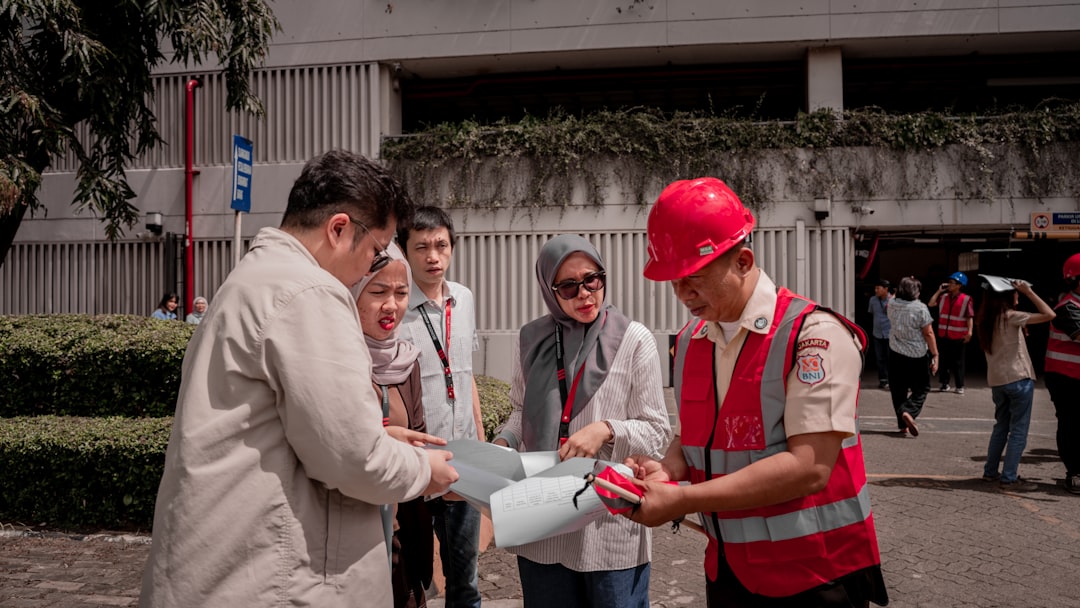

The position of a Chief Technical Examiner is one of authority, precision, and high responsibility. Positioned at the intersection of technical expertise and regulatory compliance, this professional ensures that systems, equipment, processes, and personnel meet strict operational and safety standards. Industries such as automotive, maritime, aviation, manufacturing, construction, education, and government agencies rely heavily on the Chief Technical Examiner to oversee assessments, maintain standards, and protect public and organizational interests.
TLDR: A Chief Technical Examiner oversees technical assessments, ensures compliance with regulations, and leads teams responsible for evaluation and certification. The role combines advanced technical expertise with leadership, reporting, and strategic oversight responsibilities. Found in industries like transportation, engineering, manufacturing, and education, the position significantly impacts safety, quality, and organizational credibility. Strong qualifications, regulatory knowledge, and decision-making skills are essential for professional success.
In many organizations, this role serves as the final authority in technical evaluations, setting benchmarks for competence and safety. Their work ensures that certifications are credible, inspections are accurate, and operations adhere to relevant laws and professional standards.
What Is a Chief Technical Examiner?
A Chief Technical Examiner is a senior-level professional responsible for supervising and validating technical assessments within an organization or regulatory body. Depending on the industry, they may oversee:
- Certification examinations for professionals or technicians
- Inspection programs for machinery, vehicles, or systems
- Compliance audits against regulatory standards
- Training and testing procedures
- Policy development for technical assessment frameworks
They are often the highest authority in technical evaluation hierarchies and are accountable for the integrity and reliability of examination systems.

Core Responsibilities
The responsibilities of a Chief Technical Examiner extend far beyond conducting tests. Their portfolio typically includes strategic, managerial, and regulatory duties.
1. Oversight of Technical Examinations
They design, monitor, and approve technical examination procedures. This includes:
- Developing testing criteria
- Ensuring fairness and accuracy in scoring
- Validating assessment materials
- Reviewing appeals and disputed results
They are accountable for maintaining consistency across examination processes.
2. Regulatory Compliance
Chief Technical Examiners ensure all procedures align with industry regulations, safety standards, and international frameworks where applicable. This may involve:
- Adhering to government regulations
- Implementing ISO or industry-specific standards
- Preparing for regulatory audits
- Updating procedures based on legal changes
3. Leadership and Team Management
In most organizations, they lead a team of examiners, inspectors, or assessors. Their leadership duties often include:
- Recruiting and training technical examiners
- Conducting performance evaluations
- Providing mentorship and professional development
- Ensuring consistent application of evaluation standards
4. Risk Management and Quality Assurance
They identify and mitigate risks associated with technical failures, flawed assessments, or compliance breaches. Quality assurance programs often fall directly under their authority.
5. Reporting and Strategic Input
A Chief Technical Examiner frequently reports to executives, regulatory boards, or government agencies. Their insights influence organizational policies, industry certifications, and long-term strategies.

Required Qualifications and Skills
The position demands a unique combination of technical mastery and executive competence.
Educational Background
- Bachelor’s degree in a relevant technical field (engineering, technology, applied sciences)
- Master’s degree or additional certifications are often preferred
- Industry-specific licenses where applicable
Professional Experience
Most Chief Technical Examiners have 10–15 years of progressive experience in technical roles, with several years in supervisory positions.
Key Competencies
- Technical expertise: Deep understanding of the field’s systems, technologies, and standards
- Analytical thinking: Ability to interpret complex regulations and test results
- Leadership: Strong team management skills
- Integrity: High ethical standards and impartial judgment
- Communication: Clear reporting and stakeholder engagement abilities
Industries That Employ Chief Technical Examiners
The role exists across a wide range of industries. While duties vary slightly, the core principles remain similar.
1. Automotive and Transportation
Overseeing vehicle inspection programs, driver examiner systems, or transportation safety certifications.
2. Aviation and Maritime
Managing pilot, engineer, or vessel certification testing; ensuring compliance with international safety standards.
3. Engineering and Manufacturing
Supervising equipment inspections, structural evaluations, and production quality certification.
4. Education and Certification Bodies
Leading examination boards responsible for licensing technicians, tradespeople, or specialists.
5. Government and Regulatory Agencies
Setting national compliance standards and overseeing public safety assessments.
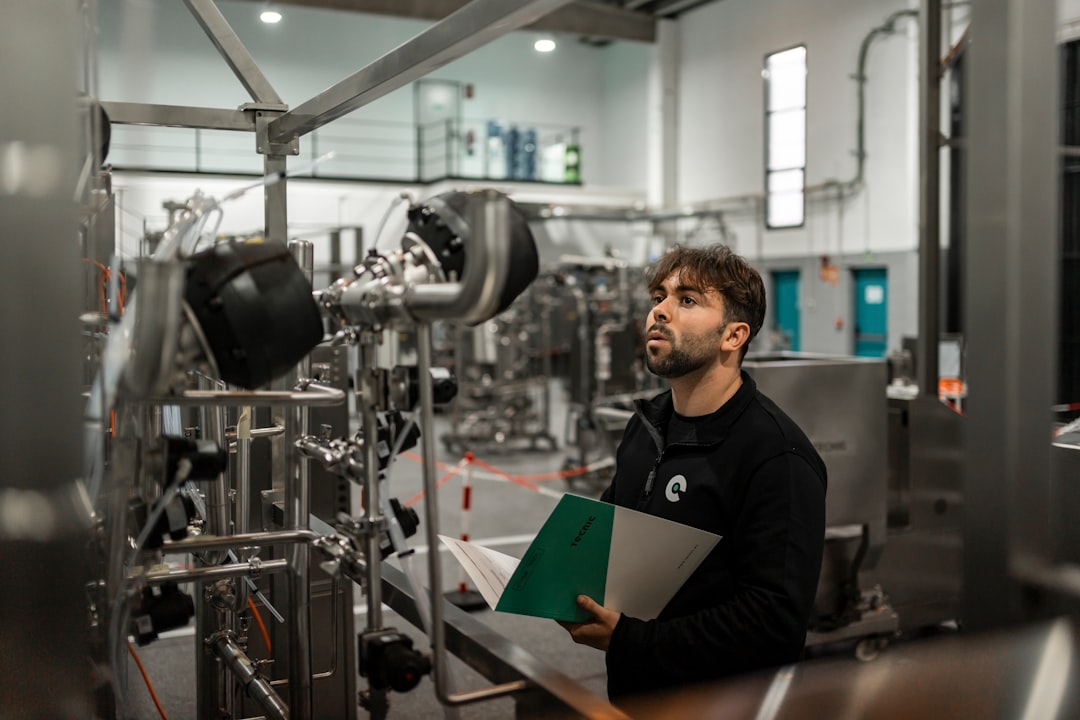
Professional Impact and Organizational Value
The Chief Technical Examiner has a significant influence on both safety outcomes and organizational reputation.
1. Safeguarding Public Safety
In sectors like transportation or manufacturing, proper technical examinations prevent accidents, injuries, and system failures.
2. Protecting Organizational Credibility
Reliable certification procedures build trust with regulators, clients, and the general public.
3. Enhancing Operational Efficiency
By identifying weaknesses in processes or training, the Chief Technical Examiner helps improve operational systems.
4. Supporting Legal and Regulatory Protection
Compliance-focused oversight reduces the risk of lawsuits, fines, or regulatory sanctions.
Career Path to Becoming a Chief Technical Examiner
The journey typically follows a structured progression:
- Entry-Level Technical Role: Technician, engineer, inspector, or specialist
- Senior Technical Professional: Lead engineer, senior inspector, or examiner
- Supervisory Role: Team leader, department manager
- Chief Technical Examiner: Senior oversight authority
Continuous professional development and regulatory familiarity are essential for advancement.
Challenges in the Role
Despite its prestige, the role carries considerable pressure.
- High accountability: Major decisions can impact safety and legal standing
- Regulatory changes: Constant updates to laws and standards require ongoing adaptation
- Dispute resolution: Handling appeals and disagreements regarding examination outcomes
- Balancing objectivity and leadership: Maintaining fairness while managing internal teams
The position demands both resilience and diplomatic skill.
Tools and Systems Commonly Used
Although the role is leadership-focused, Chief Technical Examiners rely on various technologies and management tools.
| Tool/System | Purpose | Benefits |
|---|---|---|
| Compliance Management Software | Tracks regulatory requirements and updates | Reduces compliance risks |
| Examination Management Systems | Manages testing materials and candidate results | Improves accuracy and transparency |
| Quality Assurance Platforms | Monitors inspection and evaluation standards | Ensures consistency |
| Data Analytics Tools | Analyzes assessment trends and outcomes | Supports strategic decision-making |
| Document Control Systems | Organizes technical documentation and reports | Enhances traceability and audit readiness |
Mastery of these systems improves efficiency and strengthens oversight capabilities.
Ethics and Professional Standards
A defining characteristic of an effective Chief Technical Examiner is unwavering integrity. Since certifications and approvals often carry legal weight, impartiality is critical. Ethical responsibilities include:
- Avoiding conflicts of interest
- Ensuring unbiased examination practices
- Protecting confidential information
- Reporting irregularities transparently
Professional misconduct at this level can damage entire regulatory ecosystems, making ethics a cornerstone of the role.
Future Outlook of the Position
With increasing regulation and technological complexity across industries, the demand for knowledgeable oversight professionals continues to grow. Emerging technologies such as automation, artificial intelligence, and digital compliance systems are expanding the scope of technical evaluation.
As industries evolve, the Chief Technical Examiner will likely play a more strategic role, contributing not only to compliance but also to innovation governance and risk forecasting.
Frequently Asked Questions (FAQ)
1. What does a Chief Technical Examiner do?
They oversee and validate technical examinations, ensure regulatory compliance, manage examiner teams, and maintain quality assurance programs within an organization or regulatory body.
2. What qualifications are required for this role?
A relevant technical degree, extensive industry experience, supervisory background, and often professional certifications or licenses are required.
3. Is the Chief Technical Examiner role managerial or technical?
It is both. The position requires deep technical expertise alongside leadership, policy development, and compliance management responsibilities.
4. In which industries can this role be found?
Common industries include transportation, aviation, maritime, manufacturing, engineering, education certification bodies, and government regulatory agencies.
5. What skills are most important for success?
Critical thinking, regulatory knowledge, leadership ability, communication skills, and ethical integrity are essential.
6. How does this role impact public safety?
By ensuring technical standards are properly assessed and maintained, Chief Technical Examiners help prevent accidents, system failures, and compliance breaches that could endanger the public.
7. Is this a high-pressure position?
Yes. Given the significant accountability and legal implications of decisions made, the role requires resilience, attention to detail, and strong judgment.
Ultimately, the Chief Technical Examiner stands as a guardian of technical integrity and organizational accountability. Through rigorous oversight, leadership, and commitment to excellence, they ensure that standards are not just met—but upheld with authority and precision.