


In an era defined by rapid technological change and expanding urban landscapes, new concepts frequently emerge to describe evolving realities. One such concept gaining traction is Axurbain. Although still developing in definition and usage, Axurbain represents a convergence of urban intelligence, adaptive infrastructure, and digitally connected environments. It reflects a shift in how cities are designed, managed, and experienced, emphasizing integration between physical space and digital systems.
TLDR: Axurbain refers to the fusion of urban development and advanced digital infrastructure to create adaptive, intelligent environments. It centers on connectivity, data-driven governance, and citizen-focused innovation. As cities rely more heavily on digital ecosystems, Axurbain is emerging as a guiding framework for sustainable and efficient urban growth. Its rising digital importance lies in its ability to align technology with real-world urban needs.
The Meaning of Axurbain
The word “Axurbain” appears to stem from a blend of concepts associated with axis and urban, symbolizing a central guiding line for modern city development. At its core, Axurbain represents a philosophy of urban organization where digital technology forms the backbone—or axis—of infrastructure, governance, and community interaction.
Unlike traditional urban planning models, which focus heavily on physical infrastructure such as roads, zoning, and architecture, Axurbain emphasizes:
- Smart connectivity between systems and services
- Data-driven decision-making in public administration
- Sustainable resource management through digital monitoring
- Citizen engagement platforms that encourage participation
Axurbain does not merely describe a “smart city.” Rather, it suggests a structural transformation in which digital capabilities are embedded into the city’s operational framework from the outset.

The Core Purpose of Axurbain
The primary purpose of Axurbain is to create urban environments that are responsive, efficient, and future-ready. Traditional cities often struggle with reactive governance—responding to problems only after they arise. In contrast, Axurbain seeks predictive management through analytics, real-time monitoring, and adaptive systems.
Its purpose can be grouped into three main functions:
1. Integration of Physical and Digital Infrastructure
Physical systems—transportation, utilities, housing—generate vast amounts of data. Axurbain promotes unified platforms that collect and analyze this data in real time. For example:
- Traffic systems that adjust automatically based on congestion data
- Energy grids that redistribute power according to demand patterns
- Water management systems that detect leaks instantly
This level of integration transforms infrastructure into an intelligent network rather than a collection of isolated systems.
2. Enhancement of Quality of Life
A defining feature of Axurbain is its focus on the human experience. Technology is not implemented for its own sake but to enhance convenience, accessibility, and safety.
Examples include:
- Digital public service portals for faster administrative processes
- AI-assisted emergency response optimization
- Public health monitoring dashboards
Through these mechanisms, Axurbain ensures that digital innovation directly benefits residents.
3. Promotion of Sustainability
Environmental responsibility is central to the Axurbain philosophy. By leveraging predictive analytics and monitoring systems, cities can significantly reduce waste and emissions.
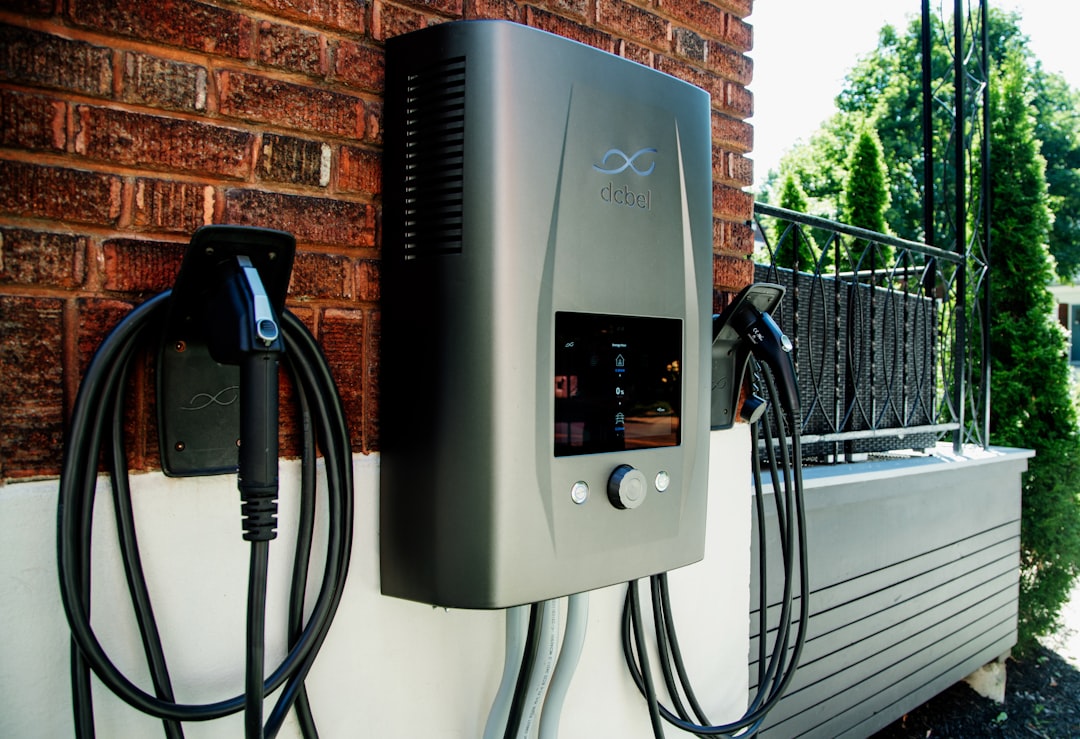
Key sustainability initiatives often include:
- Smart waste management systems that optimize collection routes
- Renewable energy integration supported by intelligent grids
- Green urban planning guided by environmental data
Such initiatives ensure that growth does not come at the expense of ecological stability.
The Digital Transformation Behind Axurbain
The rapid evolution of digital technologies is accelerating the relevance of Axurbain. Over the past decade, advancements in cloud computing, artificial intelligence, Internet of Things devices, and big data analytics have created new possibilities for coordinated urban management.
Several technological pillars underpin Axurbain:
Internet of Things (IoT)
Millions of connected sensors embedded in roads, buildings, and public infrastructure provide a continuous stream of data. This data forms the foundation of adaptive urban systems.
Artificial Intelligence
AI algorithms process massive datasets to identify trends and forecast potential issues. For example, predictive modeling can anticipate traffic spikes or infrastructure strain before critical thresholds are reached.
Cloud and Edge Computing
These technologies allow data to be processed quickly and securely. Edge computing, in particular, supports real-time responses by analyzing information near its source.
Together, these tools create an interconnected urban ecosystem—an environment perfectly aligned with the Axurbain framework.
Rising Digital Importance
The growing digital importance of Axurbain is tied directly to global urbanization trends. With more than half of the world’s population now living in cities, pressure on infrastructure has intensified. Governments and private developers alike are seeking models that can scale intelligently. Axurbain offers a strategic approach.
Image not found in postmetaSeveral factors contribute to its rising prominence:
1. Increased Urban Complexity
Modern cities are more complex than ever. Transportation, logistics, healthcare, and environmental systems interact continuously. Managing these systems manually is inefficient. Digital orchestration is becoming essential rather than optional.
2. Demand for Transparency and Accountability
Citizens expect clear information about how cities operate. Axurbain supports digital dashboards and open data initiatives, strengthening public trust through transparency.
3. Economic Competitiveness
Cities compete globally for investment and talent. A digitally advanced urban environment attracts businesses, startups, and skilled professionals. Axurbain thus serves as a competitive differentiator in economic development.
4. Crisis Preparedness and Resilience
Recent global events have underscored the importance of resilience. Whether facing health emergencies, climate-related disasters, or supply chain disruptions, cities built on Axurbain principles are better equipped to adapt rapidly.
Governance and Policy Implications
The adoption of Axurbain requires thoughtful governance. Digital infrastructure alone does not guarantee effective urban transformation. Policymakers must address several key areas:
- Data privacy and cybersecurity safeguards
- Equitable digital access across socio-economic groups
- Interdepartmental coordination to prevent siloed implementation
A structured regulatory environment ensures that digital expansion strengthens, rather than fragments, social cohesion.
Moreover, public-private partnerships play a pivotal role. Collaboration between municipal governments, technology providers, research institutions, and civil society organizations fosters innovation while maintaining accountability.
Challenges and Considerations
While Axurbain presents compelling advantages, it is not without challenges. Over-reliance on technology can create vulnerabilities if systems fail or are compromised. Cybersecurity threats, infrastructure costs, and resistance to change remain critical obstacles.
Key concerns include:
- Infrastructure modernization costs
- Digital divide issues that may exclude marginalized populations
- Long-term maintenance requirements for advanced systems
To address these challenges, cities adopting Axurbain strategies must prioritize phased implementation, citizen education, and robust risk assessment frameworks.
The Future Outlook
Looking ahead, Axurbain is likely to evolve in parallel with emerging technologies such as quantum computing, advanced robotics, and decentralized data architectures. The concept may expand beyond urban centers to include Axurbain regions, where interconnected cities form digitally synchronized corridors.
Another anticipated development is the growing role of digital twins—virtual replicas of cities used for simulation and planning. Digital twins enable officials to test policy decisions virtually before implementing them in physical space. This capability aligns seamlessly with Axurbain’s predictive and adaptive goals.
Furthermore, artificial intelligence is expected to become more autonomous in managing routine services. Traffic routing, energy balancing, and emergency dispatch could operate with minimal human intervention, allowing administrators to focus on broader strategic objectives.
Conclusion
Axurbain represents more than a technological trend; it is a comprehensive rethinking of how cities function in the digital age. By placing connectivity and intelligence at the center of urban development, it bridges the physical and digital worlds in practical, measurable ways.
Its meaning lies in integration. Its purpose is efficiency, sustainability, and improved quality of life. Its rising digital importance reflects a global recognition that the future of urban living depends on adaptive systems and informed governance.
As digital transformation accelerates, Axurbain stands as a credible and forward-looking framework—one capable of guiding cities toward resilience, inclusivity, and long-term prosperity.