
In the visually driven world of the internet, GIFs — short, looping animations — have claimed a strong foothold in how we communicate. Whether you’re texting a friend, creating marketing content, or engaging on social media, a well-placed GIF can speak louder than words. As artificial intelligence continues its swift evolution, a fascinating crossover has emerged: AI-generated GIF collections. These combine the power of machine learning with the visual expressiveness of motion art, leading to unprecedented ways we can create and share animated content.
TL;DR
Artificial intelligence GIF collections are curated sets of animated loops generated or enhanced using AI technologies. These collections often display incredible creativity, surrealism, and realism, pushing the boundaries of traditional animation. Artists, marketers, educators, and social media users are increasingly turning to these collections for fresh, customizable, and imaginative visuals. As technology develops, the accessibility and quality of AI-generated GIFs continue to improve, making them an essential part of modern digital communication.
What Are AI GIF Collections?
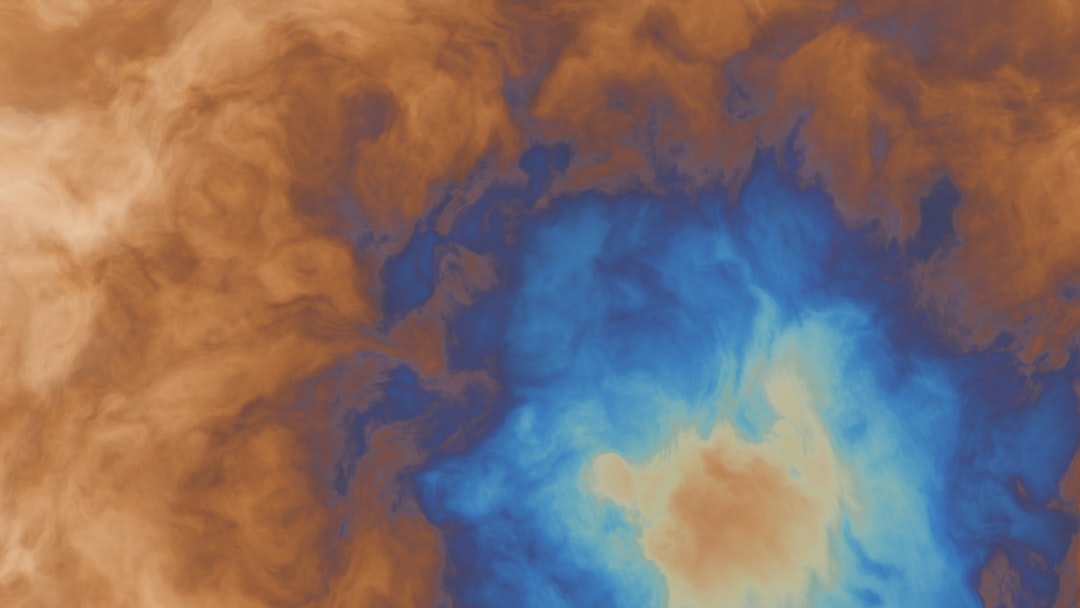
Artificial intelligence GIF collections are compilations of looping animations that have been created, enhanced, or curated using AI technologies. These GIFs aren’t just manually-designed—they’re often synthesized using deep learning models, generative adversarial networks (GANs), or proprietary AI animation tools.
They can range from dreamlike scenes and animated illustrations to photorealistic loops and even abstract, generative art. The integration of AI streamlines the concept-to-GIF process, resulting in visually rich content that might otherwise have taken days or weeks to produce manually.
How AI Is Changing the Landscape of GIF Creation
Artificial intelligence introduces several revolutionary facets into the traditional world of GIF creation:
- Automated Animation: AI can animate static images or turn short video clips into seamless loops with minimal user input.
- Style Transfer: Neural style transfer allows users to apply the look of famous art styles or animation filters to GIFs.
- Motion Prediction: Some AIs can predict and generate realistic movements, giving life to once-static visuals.
- Visual Effects: Through AI, creators can add dynamic lighting, particle effects, or weather simulations to their GIFs effortlessly.
These innovations democratize the creation process—allowing not just skilled animators, but everyday users to craft engaging and unique visuals with ease.
Types of AI-Generated GIF Collections
The diversity in AI-generated GIFs is immense. Below are some of the more prominent categories you can find within curated AI GIF collections:
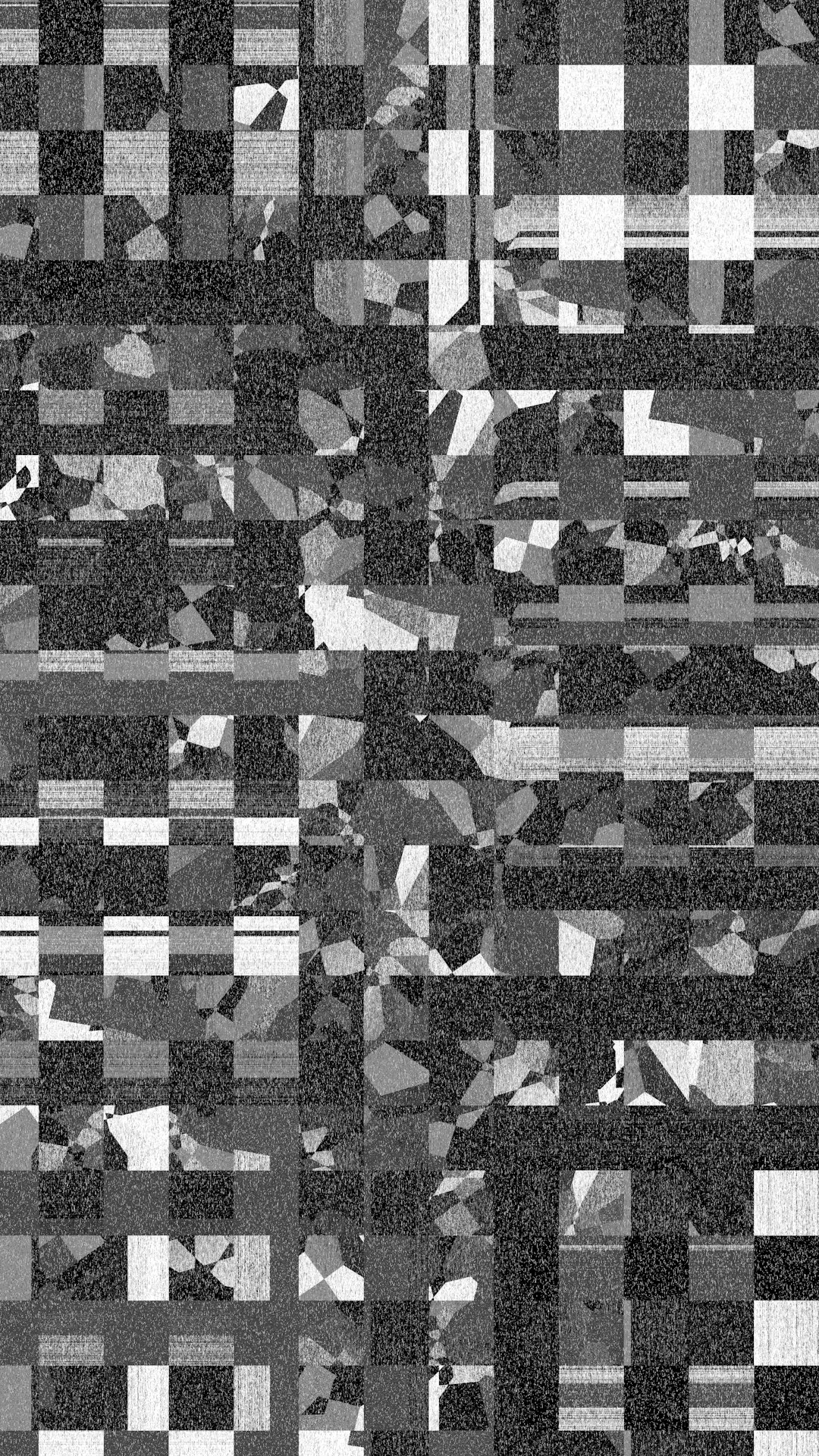
- Abstract and Surreal Loops: Generated purely from models trained on abstract art, these GIFs defy realism and often invoke emotional or subconscious responses.
- Nature and Landscapes: Featuring looping forests, skies, and beaches, these GIFs offer highly aesthetic and calming visuals, often indistinguishable from reality.
- Sci-Fi and Futuristic Art: Perfect for tech-centric communities or futuristic themes, these often employ cybernetic imagery and neon effects enhanced by GANs.
- Character Animations: AI has been critical in generating animated avatars from simple photos, used in various expressions and styles from cartoonish to lifelike.
- Looped Scenes from Text Prompts: Thanks to tools like Runway ML and DALL·E with animation overlays, users can generate custom GIFs simply by describing a scene in words.
Popular Tools and Platforms Enabling AI GIF Creation
Several tools now empower creators to generate or curate AI-powered GIFs. Below are a few of the most widely used:
- Runway ML: Offers intuitive tools for video and GIF animation via machine learning, including green screen edits and motion interpolation.
- Deep Dream Generator: A tool once made famous for its psychedelic art style, it can also help turn stills into trippy animations.
- Artbreeder: While primarily used for generating still portraits, Artbreeder can morph images into smooth, GIF-like transitions using genetic algorithms.
- Stable Diffusion with Frame Interpolation Plugins: Stable Diffusion can be used to generate sequential images from prompts, and plugins can interpolate them into GIFs.
As AI platforms improve integration, many of these tools are becoming available on mobile devices and browser-based platforms, too.
Applications of AI GIF Collections
GIFs powered by AI aren’t confined to casual social media use. They are rapidly gaining ground in a variety of industries:
- Marketing & Advertising: Custom animated loops grab attention faster than static ads, and AI makes rapid A/B testing of animated visuals possible.
- Entertainment: Streaming services and content creators use AI GIFs to generate trailers, countdowns, or ambient backgrounds.
- Education: Teachers can generate visuals that help in explaining complex topics, especially in STEM, by depicting simulated processes.
- Healthcare & Therapy: Calming AI-generated nature scenes are often looped into therapeutic visuals for use in stress reduction apps.
The Aesthetic of AI: Recognizable Styles and Signatures
AI-generated visuals often carry a distinct signature—a dreamy, fluid aesthetic that can blend uncanny realism with surreal elements. This signature comes from the neural networks that train on thousands of visual data points, leading to a unique “AI fingerprint.”
Over time, many users begin to recognize the difference between AI-generated and manually created GIFs. This has given rise to a whole trend of stylized GIFs that embrace their digital origin as part of their charm and uniqueness. 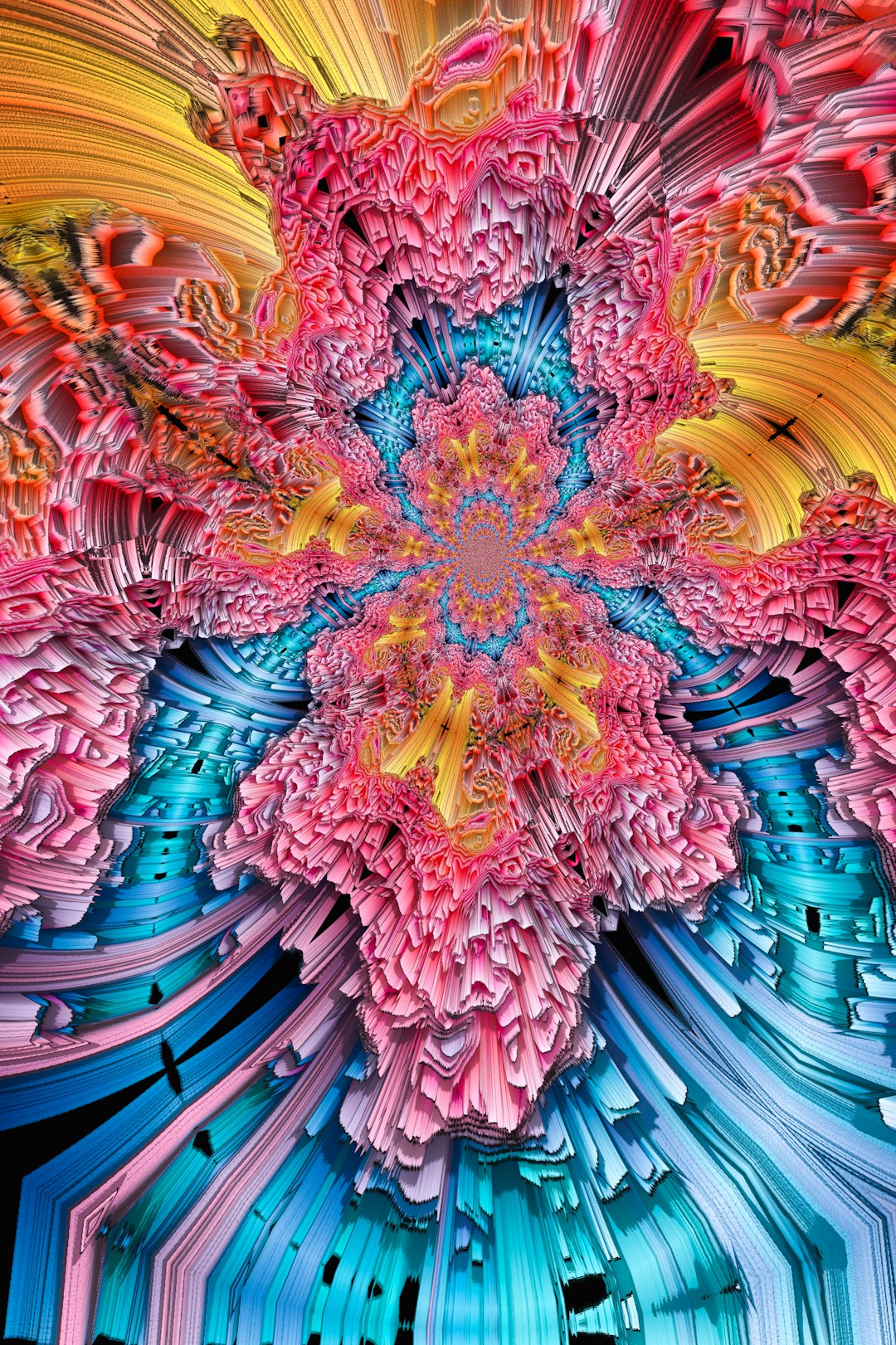
Challenges and Ethical Considerations
While AI GIFs open the door to incredible creativity, they are not without challenges and concerns:
- Originality: When training data includes copyrighted material, the resulting GIFs can inadvertently borrow too much from existing works.
- Deepfake Risk: AI-generated animations of real people, especially without consent, can create blurred ethical boundaries.
- Job Displacement: As AI tools get better, there’s concern about potential displacement of human artists and animators in professional spheres.
Navigating these concerns responsibly is key to ensuring this technology enhances creative expression rather than exploits it.
The Future of AI GIF Collections
AI GIFs are likely just the beginning of a broader trend toward dynamic media that balances automation with interactivity. We can expect the future to bring:
- Ultra-customizable GIFs: Where users can input emotional tones, specific scenes, or even replicate personal styles.
- Real-time GIF Generation: Potential integration with AR/VR systems and social platforms might allow GIFs to be generated on the fly via prompts or gestures.
- NFTs and Blockchain Integration: Unique AI-generated GIFs could become digital assets for trading and ownership verification in creative economies.
As the AI art movement matures, GIFs will remain a bridge between traditional media and the future of expression—quick to consume, rich in story, and now, deeply intelligent.
Conclusion
Artificial intelligence GIF collections symbolize an exciting convergence of art, technology, and accessibility. Whether for fun, art, business, or education, these endlessly looping visuals offer a powerful medium that’s been reimagined by machine learning. While we should remain mindful of the ethical hurdles, the creative frontier these collections offer is undeniably exhilarating.
If a picture is worth a thousand words, then perhaps an AI-generated GIF is worth a million—in motion, style, and meaning.