
Sales teams should pick interactive training platforms that turn practice into measurable readiness, not another folder of videos. Reps already spend limited time selling, with Salesforce reporting that sales professionals spend only 28% of their week actually selling [source: Salesforce]. That makes short role-plays, fast coaching, and clear skill scores much more useful than long training sessions.
TLDR: Interactive sales training platforms help managers see who is ready for calls, demos, objections, and renewals. For example, a 40-person SDR team could assign a 10-minute AI role-play each week, score calls against five skills, and coach the bottom 20% before pipeline suffers. The best tools combine practice, feedback, assessments, and readiness dashboards. The five strongest options below are Second Nature, Mindtickle, Highspot, Allego, and Quantified.
Why interactive sales training works better
Sales training gets ignored when it feels like school. Reps click through slides, pass a quiz, and forget most of it by Friday. Interactive platforms fix that by making reps speak, respond, and think under light pressure.
Good platforms usually include:
- AI role-play: reps practice discovery, pricing, objections, and closing.
- Manager coaching: leaders review recordings and leave precise feedback.
- Skill assessments: teams score tone, product knowledge, objection handling, and qualification.
- Readiness tracking: managers see who is call-ready and who needs help.

1. Second Nature
Best for: AI role-play practice at scale.
Second Nature uses an AI conversation partner that acts like a buyer. Reps can practice discovery calls, objection handling, pricing talks, and product pitches. The system scores performance and gives feedback right away.
It is useful for large teams because managers do not need to sit in every practice session. Reps can repeat the same scenario until they improve. That repetition matters. One perfect training call means very little if the rep freezes with a real prospect.
The catch is that AI role-play can feel stiff if scripts are not tuned well. Teams should update scenarios often and use real call examples when possible.
2. Mindtickle
Best for: full sales readiness programs.
Mindtickle is built for teams that want more than role-play. It covers onboarding, coaching, assessments, content, certifications, and readiness scoring. Managers can track whether reps understand messaging, competitors, products, and sales process.
Its strength is structure. A sales leader can build a readiness path for new hires, account executives, channel sellers, or customer success reps. Each path can include video practice, quizzes, manager reviews, and call coaching.
It can feel heavy for small teams. Setup takes planning. Expect to spend time mapping skills, stages, and certification rules before the platform really pays off.
3. Highspot
Best for: connecting training with sales content.
Highspot is often known for sales enablement content, but its training and coaching features are strong. Reps can find approved decks, battlecards, case studies, and playbooks, then train on how to use them.
This helps teams avoid a common problem: sales training says one thing, but live content says another. Highspot ties the two together. A rep can train on a new product message and then use the right talk track in the next buyer meeting.

Managers can assign lessons, review pitches, and track completion. Still, teams should avoid dumping too much content into the system. A messy library slows reps down and turns a good platform into a scavenger hunt.
4. Allego
Best for: video coaching and peer learning.
Allego is strong for teams that want reps to learn from each other. Sellers can record practice pitches, submit video responses, and review examples from top performers. Managers can coach with comments, scores, and suggested next steps.
It works well for distributed teams. New reps can watch how experienced sellers handle common objections. Product marketers can also share short updates instead of hosting another meeting that nobody wanted.
Its mobile experience is helpful for field sales teams. Reps can practice before a meeting, review content, or submit a role-play from a phone.
5. Quantified
Best for: advanced communication scoring.
Quantified focuses on measuring how people speak. It assesses clarity, confidence, pacing, empathy, filler words, and message quality. That makes it useful for executive sellers, account managers, and teams that sell complex products.
The platform gives detailed coaching on delivery, not just content. This is valuable because many reps know the script but still sound unsure. A buyer can feel that in seconds.
It may be more than some teams need. If a company only wants simple onboarding quizzes, Quantified could feel too deep. For teams that care about high-stakes conversations, it brings serious value.
How to choose the right platform
The right choice depends on the training gap. A team with weak cold calls may need AI role-play first. A team with inconsistent messaging may need content-based coaching. A team with long onboarding may need full readiness tracking.
Buyers should compare tools using this simple checklist:
- Role-play quality: does practice feel close to real buyer calls?
- Feedback speed: do reps get useful coaching fast?
- Skill scoring: can managers measure progress by skill?
- Ease of use: can reps start without a long tutorial?
- Manager visibility: can leaders see readiness by person, team, and role?
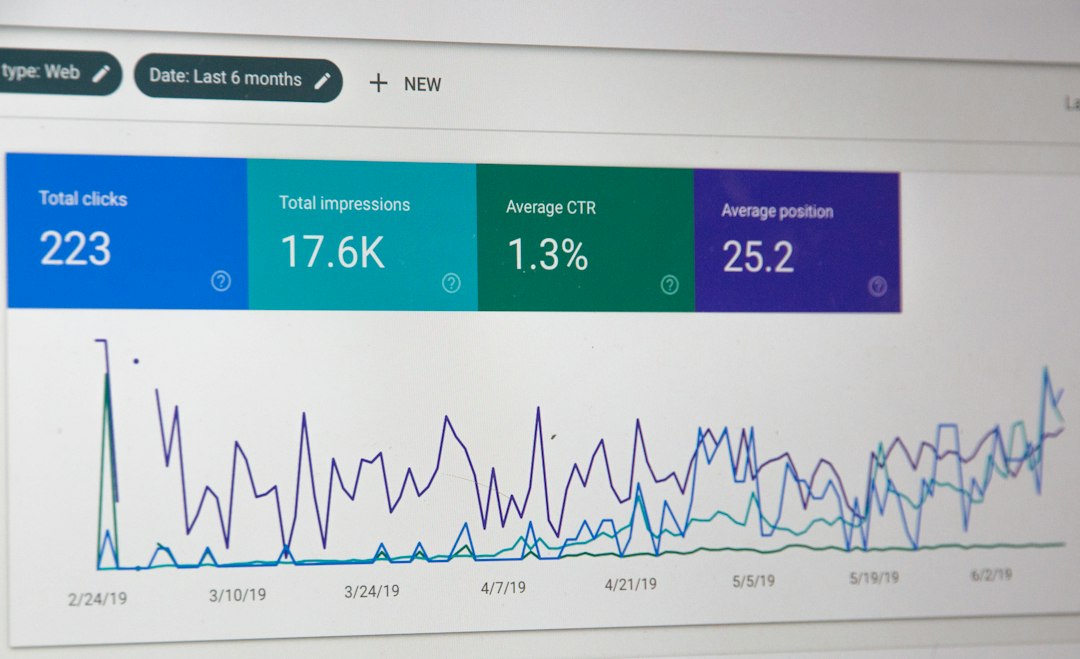
It drives managers a little mad when training data lives in five places. The best platform should show practice activity, assessment results, and coaching status in one clean view.
FAQ
What is an interactive sales training platform?
It is software that helps sales reps practice real selling skills through role-play, video coaching, quizzes, call reviews, and readiness scoring.
Which tool is best for AI role-play?
Second Nature is a strong pick for AI buyer simulations and repeated practice across large teams.
Which platform is best for full sales readiness?
Mindtickle is a good option for companies that need onboarding, certifications, coaching, assessments, and readiness dashboards.
Do small sales teams need these tools?
Some do. A small team may not need a complex system, but simple role-play and coaching tools can still shorten ramp time and improve call quality.
How often should reps practice?
Weekly practice works well for many teams. Short 10 to 15 minute sessions are easier to finish and easier to coach than long monthly training blocks.