
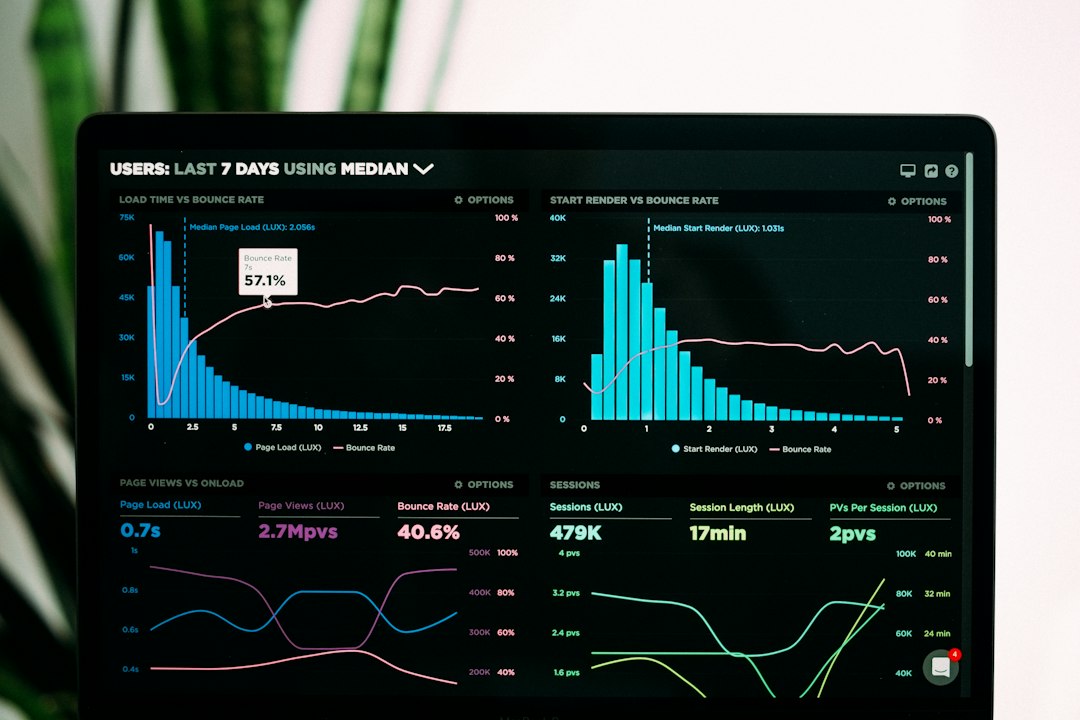

Use Brandwatch to measure how much people talk about your brand, and use Google Analytics to measure what that awareness does on your site. Neither tool gives a full answer alone. Brandwatch is stronger for social listening, share of voice, sentiment, and audience conversation. Google Analytics is stronger for branded traffic, direct visits, campaign performance, and on-site behavior.
TLDR: Brandwatch measures external brand awareness; Google Analytics measures awareness that turns into website visits and actions. For example, a SaaS company may see a 42% rise in brand mentions in Brandwatch after a webinar, while GA4 shows only a 12% rise in branded organic sessions. That gap matters because attention does not always become traffic. Use both tools if you need credible reporting, not guesswork.
What each tool actually measures
Brand awareness is not one metric. It is a mix of recognition, recall, reach, visibility, conversation, and intent. This is where many reports go wrong. They treat website visits as awareness, or social mentions as business results. That is too thin.
Brandwatch tracks public conversation. It collects data from social platforms, forums, blogs, news sites, review sites, and other online sources. Its value sits in the top part of the funnel. It helps answer questions such as:
- How often is the brand mentioned?
- Who is talking about it?
- Is the tone positive, neutral, or negative?
- How does share of voice compare with competitors?
- Which topics are linked to the brand?
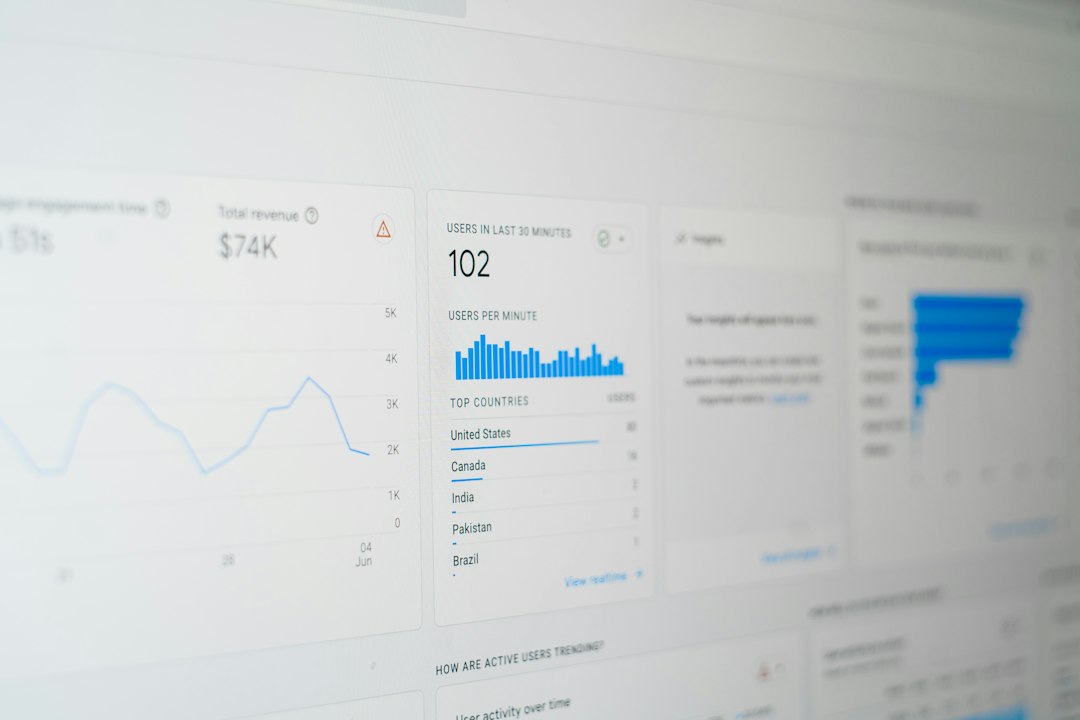
Google Analytics, especially GA4, tracks what happens once someone reaches your website or app. For brand awareness, it helps identify signals such as branded search traffic, direct traffic, returning users, campaign visits, and engagement. It answers a different set of questions:
- Are more people searching for the brand by name?
- Are direct visits increasing?
- Do visitors from awareness campaigns engage?
- Are new users growing in target markets?
- Do awareness efforts lead to signups, demos, or sales?
Brandwatch for brand awareness measurement
Brandwatch is built for listening outside your owned channels. That makes it useful when you care about public perception, not just clicks. If a product launch creates thousands of social posts but only a modest website lift, Brandwatch will show the scale of that conversation.
The strongest Brandwatch metrics for awareness include:
- Volume of mentions: The number of times your brand appears in tracked sources.
- Reach and impressions: Estimated potential exposure to brand content or mentions.
- Share of voice: Your brand’s share of category conversation against competitors.
- Sentiment: Positive, negative, and neutral tone around your brand.
- Topic clusters: Common themes linked to your brand.
- Influencer and source analysis: Who drives the conversation.
This is powerful for PR teams, brand teams, and social strategists. It can show that awareness is rising before sales or traffic move. That early signal is useful. It gives teams time to adjust messaging, respond to criticism, or double down on content that people repeat.
Still, Brandwatch has limits. It cannot see everything. Private profiles, closed communities, dark social sharing, and some platform restrictions reduce the view. Sentiment scoring also needs review. Honestly, it feels like sentiment tools still misread sarcasm more often than they should. A post saying “great, another broken update” can slip into the wrong bucket if nobody checks the sample.
Google Analytics for brand awareness measurement
Google Analytics takes a more grounded view. It does not measure general public talk. It measures behavior on your digital properties. That makes it less useful for broad awareness, but more useful for proving whether awareness creates action.
The best GA4 indicators for brand awareness are:
- Branded organic search sessions: Traffic from people searching your brand name or product names.
- Direct traffic: Users typing your URL, using bookmarks, or arriving without clear referral data.
- New users: Growth in first-time visitors after campaigns or media coverage.
- Returning users: A sign that people remember the brand and come back.
- Engaged sessions: Visits that last long enough or include meaningful actions.
- Conversions: Demo requests, purchases, newsletter signups, or account creation.
The catch is that GA4 can be annoying when channels blur together. Direct traffic often becomes a messy bucket for untagged emails, app traffic, privacy-heavy browsers, and word-of-mouth visits. Expect to waste time cleaning campaign tags if the team has not used strict UTM rules.
GA4 also does not tell you why people arrived. A spike in branded search may come from a TV spot, a viral complaint, a podcast mention, or competitor confusion. Without context from other tools, you only see the site impact.
Brandwatch vs Google Analytics: side-by-side view
| Measurement need | Brandwatch | Google Analytics |
|---|---|---|
| Public conversation | Strong | Weak |
| Social mentions | Strong | Weak |
| Share of voice | Strong | Not native |
| Website behavior | Limited | Strong |
| Branded search impact | Limited | Strong with Search Console data |
| Campaign attribution | Useful for conversation | Strong for site results |
| Sentiment analysis | Strong, but needs review | Not available |
When Brandwatch is the better choice
Choose Brandwatch if your main question is, “Are more people aware of us in the market?” It is the better tool for PR measurement, social campaigns, product launches, reputation tracking, and competitor comparison.
For example, a consumer brand running an influencer push might track mention volume before, during, and after the campaign. If mentions rise from 8,000 to 21,000 per month, and share of voice grows from 14% to 23%, that is a clear awareness signal. If sentiment remains 70% positive or higher, the campaign is likely building useful visibility, not just noise.
Brandwatch is also valuable during a crisis. If negative mentions rise sharply, GA4 might show nothing at first. The website may stay stable while reputation risk grows elsewhere. Brandwatch catches that earlier.
When Google Analytics is the better choice
Choose Google Analytics if your question is, “Did awareness lead people to our website?” It is the better tool for measuring traffic quality, user behavior, conversion paths, and campaign outcomes.
A B2B company may run LinkedIn ads, sponsor a newsletter, and publish thought leadership content. GA4 can show whether branded organic traffic rose from 4,500 to 5,900 monthly sessions, whether new users increased in target regions, and whether demo requests improved. That is a stronger link to revenue than mention volume alone.
To improve accuracy, connect GA4 with Google Search Console. This helps identify branded queries, impressions, click-through rates, and landing pages. Use consistent UTM tags for paid social, email, influencer links, podcast ads, and display campaigns. Without that hygiene, reporting gets vague fast.
The best approach: combine both
The most reliable brand awareness measurement uses both tools. Brandwatch shows the market signal. Google Analytics shows the owned-channel response. Together, they create a cleaner chain from exposure to intent.
A practical reporting setup could look like this:
- Start with a baseline: Record 60 to 90 days of Brandwatch mentions, share of voice, sentiment, branded search sessions, direct traffic, and conversions.
- Track campaign windows: Compare campaign periods with the baseline.
- Separate awareness from action: Report Brandwatch metrics as visibility, and GA4 metrics as behavior.
- Review anomalies: Check whether spikes come from praise, complaints, press, bots, or paid media.
- Use competitor context: A 20% rise in mentions is less impressive if the whole category rose 60%.
Final recommendation
Brandwatch is better for measuring awareness in the public market. Google Analytics is better for measuring the effect of awareness on your website. If you must choose one, base the choice on the reporting question. Pick Brandwatch for reach, conversation, sentiment, and share of voice. Pick Google Analytics for branded traffic, engagement, and conversions.
For serious brand reporting, use both. Awareness is not just being seen. It is being remembered, searched, visited, and acted on. Brandwatch captures the first half of that story. Google Analytics captures the second.