

Fake influencers reveal themselves in the numbers. The clearest warning signs are weak audience quality, strange engagement patterns, and follower growth that looks too smooth or too sharp to be real. Before paying for a post, check who follows them, who comments, and how their audience changed over time.
TLDR: A fake influencer often has many followers but little real attention. For example, a creator with 120,000 followers and only 250 likes per post may have an engagement rate near 0.2%, which is a serious red flag in many niches. In one simple review, a brand might compare 10 recent posts and find that 70% of comments are generic phrases like “Nice pic” or emoji strings. That usually points to bought engagement, comment pods, or inactive followers.
Why fake influencers are still a real business risk
Influencer fraud wastes budget. It also creates bad data. A campaign can appear to reach 500,000 people while barely reaching any real buyers. That hurts reporting, planning, and trust inside the marketing team.
The problem is not always obvious. Some fake profiles look polished. They may have professional photos, consistent branding, and a convincing media kit. Honestly, it feels like some audit tools make this worse by hiding basic signals behind five clicks and slow dashboards. A manual check is still worth doing.
Fake influence usually shows up in three places:
- Audience quality: who follows the account.
- Engagement quality: who reacts and how they react.
- Follower growth: how the audience increased over time.
Warning signs in audience quality
Start with the followers. A healthy audience should match the creator’s niche, language, location, and content style. A fashion creator based in Toronto should not have a sudden majority of followers from unrelated regions with no clear reason.
Look for these signs:
- Empty or low effort profiles: no profile photo, no posts, random usernames, or copied bios.
- Odd location mix: large follower groups from countries that do not match the creator’s content, language, or market.
- Similar usernames: many accounts with number strings, repeated patterns, or gibberish names.
- High follower count with low credibility: many followers who follow thousands of accounts but have almost no followers themselves.
- Mismatch with brand audience: the creator talks to teens, but your buyers are senior finance managers.
A few odd followers are normal. Every public profile gets bots. The problem is scale. If a sample of 100 followers includes 40 inactive or suspicious accounts, the risk is high.
Also check audience overlap. If several influencers in the same campaign have large clusters of identical followers, something may be wrong. It may indicate bought packages, engagement groups, or low quality network growth.
Warning signs in engagement quality
Engagement rate matters, but engagement quality matters more. A post with 5,000 likes can still be weak if the likes come from bots or disengaged accounts.
Review at least 10 recent posts. Do not rely on one viral post. Calculate the average likes, comments, saves, shares, and views where available. Then compare those figures with the follower count.
Common red flags include:
- Generic comments: “Great,” “Amazing,” “Love it,” “Nice,” or emoji only comments repeated again and again.
- Comment repetition: the same accounts comment on every post within minutes.
- Low comment relevance: comments do not mention the product, topic, question, or caption.
- Likes with no profile fit: engagement comes from accounts that look unrelated to the niche.
- Views far below follower count: a creator has 300,000 followers but videos average 2,000 views.
- Sudden engagement bursts: hundreds of likes arrive right after posting, then activity stops almost completely.
Engagement pods can be harder to spot than bots. These are groups where creators agree to like and comment on each other’s posts. The comments may look human, but they can still be shallow. You may see the same circle of creators commenting quickly on every upload.
A strong influencer should create conversation. Comments should include questions, opinions, product reactions, personal stories, or specific references to the content. If the comment section reads like a wall of applause from strangers, be careful.
Warning signs in follower growth
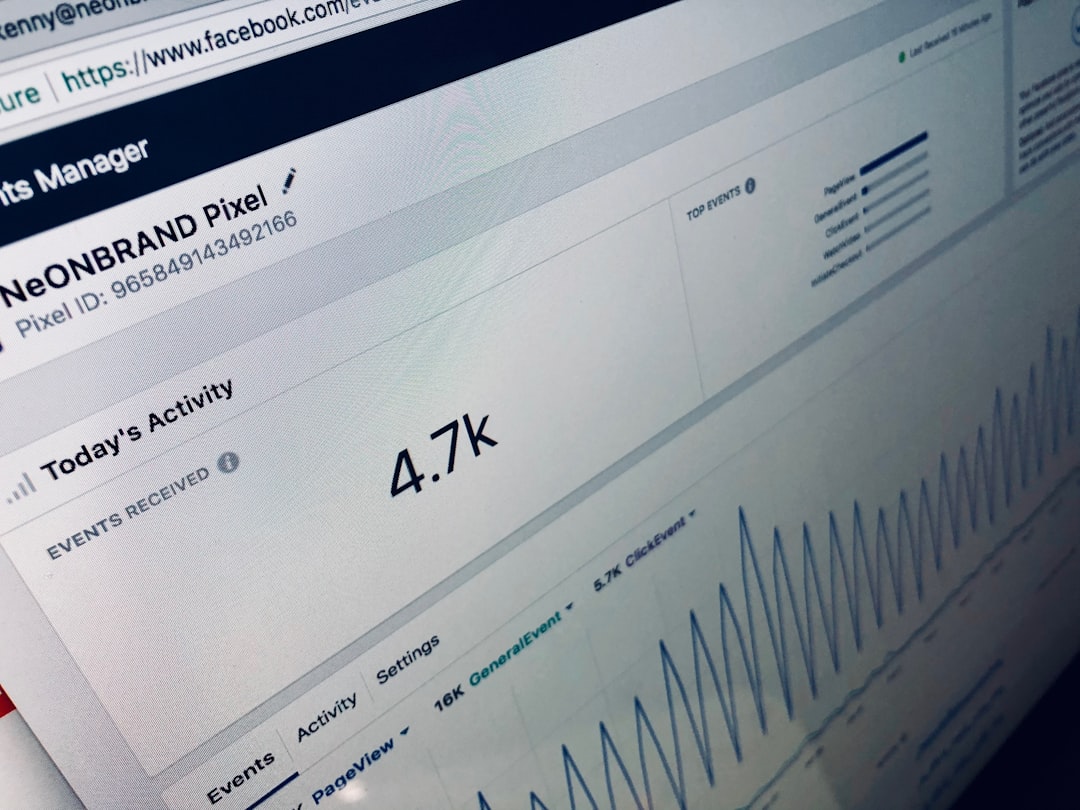
Real follower growth is rarely perfectly neat. It rises after strong posts, press mentions, collaborations, giveaways, or paid promotion. It may dip after inactive followers leave. Fake growth often looks too sharp, too flat, or too convenient.
Check growth over the last 30, 90, and 180 days if data is available. Look for patterns such as:
- Massive spikes with no clear reason: 20,000 new followers in two days, but no viral post or media feature.
- Repeated round number jumps: growth appears in clean blocks, such as 5,000 followers at a time.
- Flat growth after a spike: the account gains many followers, then almost no one engages later.
- Follower drops after platform cleanups: large losses may suggest the account had fake or inactive followers removed.
- Growth without engagement growth: followers double, but likes and comments stay the same.
Giveaways can create real spikes, but the quality may still be poor. People often follow only to win. After the giveaway ends, they may ignore the creator or unfollow. Ask for campaign results from non giveaway posts before making a deal.
Use simple math before you trust the media kit
A media kit is a sales document. Treat it as a starting point, not proof. Verify the claims with your own checks.
Here is a quick review process:
- Check 10 recent posts. Exclude pinned posts and obvious viral outliers.
- Calculate average engagement. Add likes and comments, then divide by follower count.
- Read 50 comments. Mark how many are specific, vague, repeated, or suspicious.
- Sample 100 followers. Look for empty accounts, strange usernames, and location mismatch.
- Compare content views. For video creators, views may reveal more than likes.
- Ask for past campaign proof. Request screenshots, link clicks, sales codes, or conversion data.
For example, suppose a beauty influencer has 85,000 followers. Their last 10 posts average 1,600 likes and 42 comments. That is about 1.9% engagement by likes and comments. If most comments mention the product, skin type, shade, or results, the account may be healthy. If 80% of comments are emoji only, the same number becomes less convincing.
Compare engagement by platform and niche
Do not apply one engagement benchmark to every creator. A small expert account may have fewer followers but stronger buying influence. A large entertainment account may get many likes but weak purchase intent.
Typical warning levels vary, but these rough checks help:
- Instagram: very low engagement under 0.5% deserves review, especially for smaller accounts.
- TikTok: compare average views to follower count, not just likes.
- YouTube: watch time, comments, and repeat viewers matter more than subscriber count.
- LinkedIn: fewer reactions can still be valuable if the right professionals respond.
Expect to waste time on messy exports from some platforms. It drives me crazy that a simple follower history check can take 30 seconds longer than it should because data is split across tabs. Still, those checks can prevent expensive mistakes.

Ask better questions before signing
Fraud checks should be part of every influencer brief. Ask direct questions and watch how the creator responds. Serious creators know their audience. They can explain what performs well, who follows them, and what results past campaigns produced.
Ask for:
- Audience location and age data from native platform analytics.
- Recent story or video views, not only follower totals.
- Click through rates from past campaigns.
- Conversion examples, such as promo code use or tracked sales.
- Content performance ranges rather than one best case example.
If a creator refuses to share basic analytics, pause. Privacy is fair. Evasion is not. Blurred screenshots are acceptable if personal data is hidden, but campaign metrics should still be readable.
Final checks that protect your budget
Fake influencers often rely on speed. They want brands to be impressed by follower count and skip the checks. Slow down. A 20 minute audit can save thousands.
Use a scoring system. Rate audience fit, engagement quality, content quality, growth history, and proof of past results from 1 to 5. Reject creators with serious issues in two or more areas, even if their content looks good.
The safest influencer is not always the largest. It is the one with a real audience, clear trust, and measurable action. Follower count is easy to fake. Real attention is much harder.