
A successful SaaS website is not just a digital brochure. It is a sales asset, a product education tool, a trust-building platform, and often the first serious interaction a potential customer has with the company. Because SaaS buyers compare options quickly and evaluate risk carefully, the website must explain value, reduce uncertainty, and guide visitors toward a clear next step.
TLDR: A high-performing SaaS website combines clear positioning, strong UX, credible proof, fast performance, and conversion-focused design. For example, a B2B SaaS company that simplifies its homepage message and adds customer proof near its pricing section may see demo requests increase by 15% to 30% over several months. The best SaaS website design services focus not only on visual quality, but also on measurable business outcomes such as trials, demos, activations, and qualified leads.
Why SaaS Website Design Requires a Different Approach
SaaS companies sell something intangible: access to software, ongoing service, operational improvement, and future value. Unlike a physical product, visitors cannot fully assess quality by looking at images alone. They need to understand what the software does, who it is for, how it solves a specific problem, and why it is safer or better than alternatives.
This is why SaaS website design services must combine strategy, UX design, content structure, branding, analytics, and conversion rate optimization. A visually polished website is useful, but it is not enough. If buyers cannot understand the offer within seconds, compare plans easily, or trust the company’s claims, they are unlikely to book a demo or start a free trial.
Clear Positioning Comes First
The strongest SaaS websites communicate their value proposition immediately. Visitors should not have to guess what the product does. A strong hero section usually answers three questions:
- Who is the software for? For example, finance teams, HR managers, agencies, developers, or enterprise operations teams.
- What problem does it solve? This should be specific, not vague.
- What outcome can users expect? Faster reporting, fewer manual tasks, better compliance, lower churn, or improved collaboration.
Generic statements such as “Build better workflows” or “Transform your business” are usually too broad. Serious SaaS buyers respond better to concrete messaging, such as “Automate subscription billing and reduce failed payments across multiple markets.” The more precise the positioning, the easier it is for the right audience to self-identify.
User Experience Must Support the Buying Journey
A SaaS website should reflect how buyers make decisions. A first-time visitor may want a quick overview. A product manager may want feature details. A CFO may look for pricing clarity. An IT leader may check security and integrations. Good design allows each user to find relevant information without friction.
Effective navigation often includes pages or sections for:
- Product overview with a simple explanation of core functionality.
- Use cases that connect the product to real operational needs.
- Features organized by user goals rather than technical complexity.
- Pricing presented transparently whenever possible.
- Integrations for tools customers already use.
- Security and compliance information for risk-sensitive buyers.
- Case studies that prove measurable results.
Design should reduce cognitive load. Clean page layouts, concise copy, meaningful headings, and well-placed calls to action help visitors move forward. Every page should have a purpose, whether that is starting a trial, booking a demo, downloading a guide, or comparing features.
Trust Signals Are Essential
SaaS purchases involve ongoing cost, operational dependency, and data risk. Buyers need confidence before they commit. Trust signals should be visible throughout the website, not hidden in a single testimonial page.
Strong trust elements include:
- Customer logos from recognizable companies or relevant industry peers.
- Case studies with specific results, such as time saved, revenue protected, or error reduction.
- Security certifications such as SOC 2, ISO 27001, GDPR readiness, or similar standards where applicable.
- Third-party reviews from reputable software review platforms.
- Clear company information, including leadership, location, support access, and contact options.
Testimonials are more persuasive when they are specific. A statement like “This platform helped our support team reduce average response time by 22% in one quarter” is stronger than “Great product and great team.” Numbers make claims more credible and easier to remember.
Conversion Design Should Be Intentional
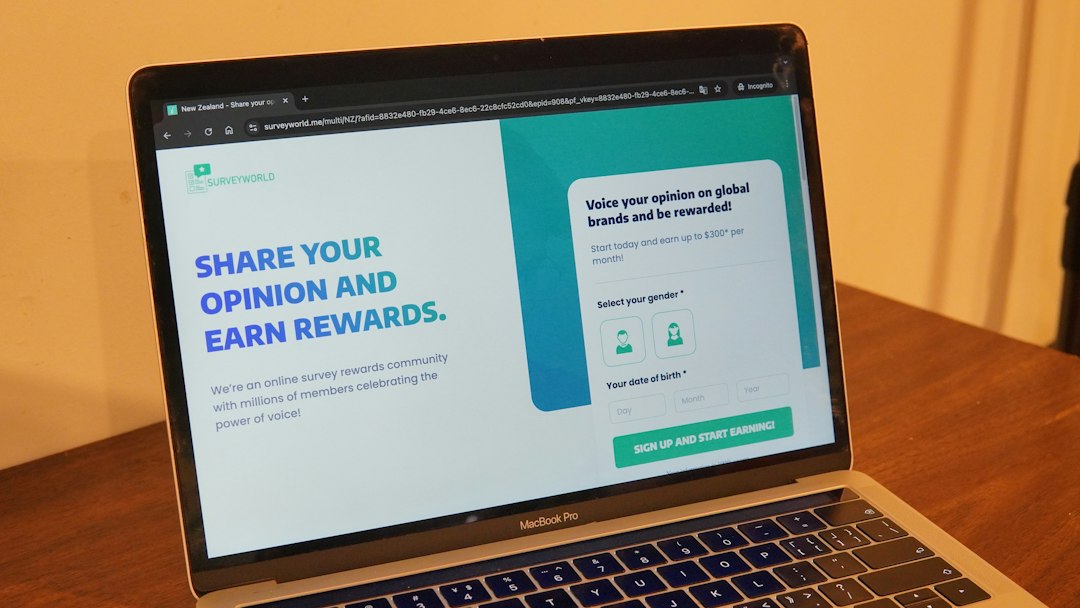
Conversion does not mean placing buttons everywhere. It means aligning calls to action with visitor intent. A homepage may include “Book a Demo” for high-intent buyers and “Watch Product Tour” for visitors who need more context. A pricing page may offer “Start Free Trial”, while an enterprise page may encourage users to “Talk to Sales.”
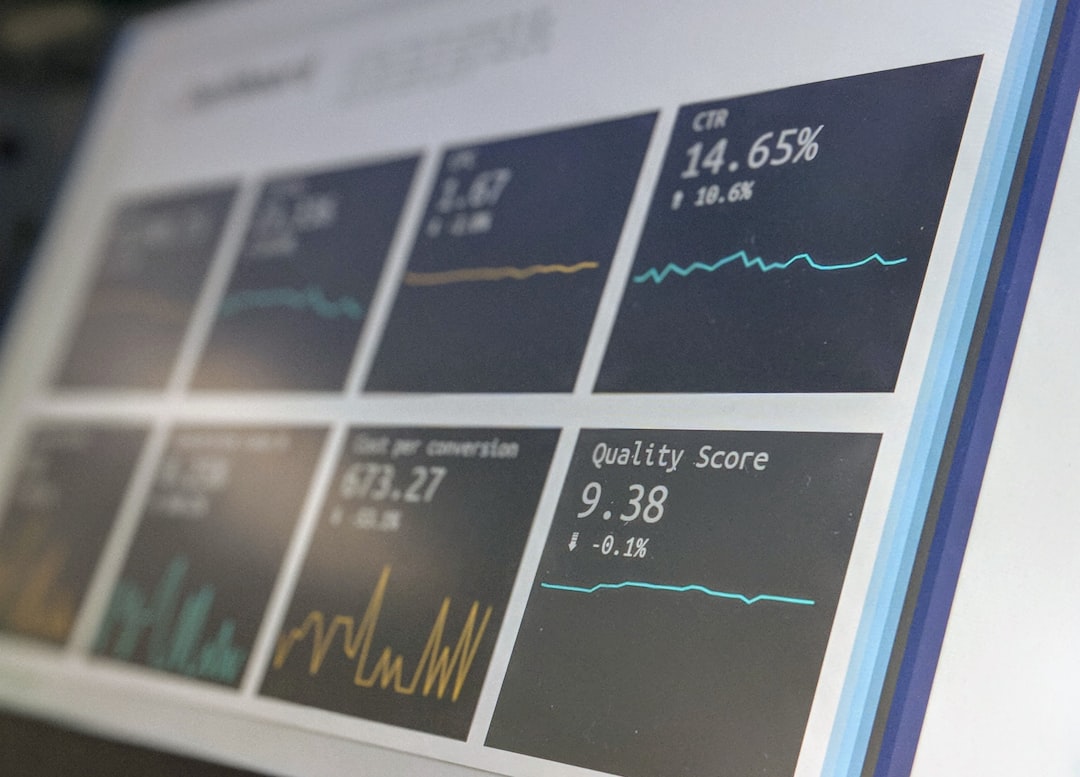
Good SaaS design services often review funnel behavior using analytics. For instance, if 48% of visitors reach the pricing page but only 2% click a CTA, the issue may be unclear plan structure, hidden costs, weak proof, or form friction. Design decisions should be based on both qualitative insight and performance data.
Forms should also be carefully considered. A long demo form might make sense for enterprise software, where lead qualification matters. For self-service SaaS, fewer fields typically improve completion rates. The key is to match the form to the sales model.
Product Communication Must Be Visual and Practical
Many SaaS websites fail because they talk about benefits without showing the product. Visitors want to see enough of the interface to understand how the software works. Screenshots, product tours, short videos, workflow diagrams, and interactive demos can make an abstract offer more tangible.
However, product visuals should be curated. Overly complex dashboard screenshots can overwhelm visitors. A better approach is to highlight one meaningful workflow at a time, supported by a short explanation. For example, a revenue operations platform might show how a user identifies churn risk, assigns an account owner, and triggers a retention workflow.
Performance, Accessibility, and Mobile Experience Matter
Technical quality affects both user trust and search visibility. A SaaS website should load quickly, work reliably on mobile devices, and meet accessibility standards. Slow pages can reduce conversions, especially when visitors are comparing multiple vendors. A delay of even a few seconds can create doubt about the quality of the underlying product.
Important technical considerations include:
- Fast loading times through optimized images, efficient code, and reliable hosting.
- Responsive layouts that maintain clarity on mobile, tablet, and desktop screens.
- Accessible contrast, labels, and navigation for users with different needs.
- SEO-friendly structure with clean headings, metadata, internal links, and schema where appropriate.
- Analytics and event tracking to measure important actions across the site.
Content Should Educate, Not Just Promote
A serious SaaS website helps buyers make informed decisions. Educational content is especially important for complex products, new categories, or long sales cycles. Blog articles, comparison pages, implementation guides, ROI calculators, and webinars can support prospects before they are ready to speak with sales.
Comparison pages should be balanced and factual. Buyers are skeptical of exaggerated claims. A trustworthy comparison explains differences in features, support, pricing structure, deployment, and ideal customer fit. This approach positions the SaaS company as confident and transparent.
Pricing Pages Need Clarity
Pricing is one of the most visited sections of many SaaS websites. Even when exact enterprise pricing cannot be shown, the page should still reduce uncertainty. Visitors want to know what affects cost, what is included, and which plan is appropriate for their situation.
A strong pricing page may include plan comparisons, FAQs, billing terms, trial details, implementation notes, and links to security or procurement information. If pricing is hidden entirely, the website should explain why and make the next step easy.
What to Expect from Professional SaaS Website Design Services
Effective SaaS website design services usually begin with discovery. This includes understanding the product, audience, sales cycle, competitors, analytics data, and positioning. From there, the process may include information architecture, wireframing, copy guidance, UI design, development, testing, and post-launch optimization.
The best providers do not simply ask what colors or styles the company prefers. They ask deeper questions: where leads are dropping off, which segments convert best, what objections sales teams hear, and how product value can be communicated faster. Their goal is to build a website that looks professional and also performs commercially.
Conclusion
A successful SaaS website is clear, credible, fast, and strategically designed around the buyer journey. It explains the product in plain language, supports different decision-makers, provides measurable proof, and guides visitors toward appropriate actions. While visual design matters, the strongest SaaS websites are built on positioning, trust, usability, and continuous improvement. For companies competing in crowded software markets, professional SaaS website design services can turn a website from a passive presence into a reliable growth channel.