
IT service management is entering 2026 with more momentum than it has had in years. The combination of AI-driven operations, rising cybersecurity pressure, tighter budgets, hybrid work, and cloud complexity is forcing IT teams to rethink how services are delivered, measured, and improved. ITSM is no longer just about tickets and SLAs; it is becoming the operating layer for digital business resilience.
TLDR: In 2026, the biggest ITSM trends will center on AI copilots, predictive service management, experience-level agreements, security integration, and enterprise-wide service delivery. For example, a mid-sized company using AI-assisted ticket triage could reduce average resolution time by 25% to 40% if it has clean knowledge articles and reliable automation workflows. Expect ITSM platforms to become more proactive, more connected to cybersecurity tools, and more focused on business outcomes rather than simple ticket counts.
1. AI Becomes a Practical ITSM Teammate
Artificial intelligence has been part of ITSM conversations for years, but 2026 is likely to be the year it becomes a normal part of daily service desk operations. Instead of being treated as an experimental feature, AI copilots will increasingly assist agents with ticket summaries, suggested fixes, incident categorization, and knowledge article creation.
The most interesting shift is from simple chatbots to context-aware support assistants. These systems will not only answer “How do I reset my password?” but also understand the user’s device, role, location, recent incidents, and permission level. That context will help IT teams resolve issues faster and reduce unnecessary escalations.
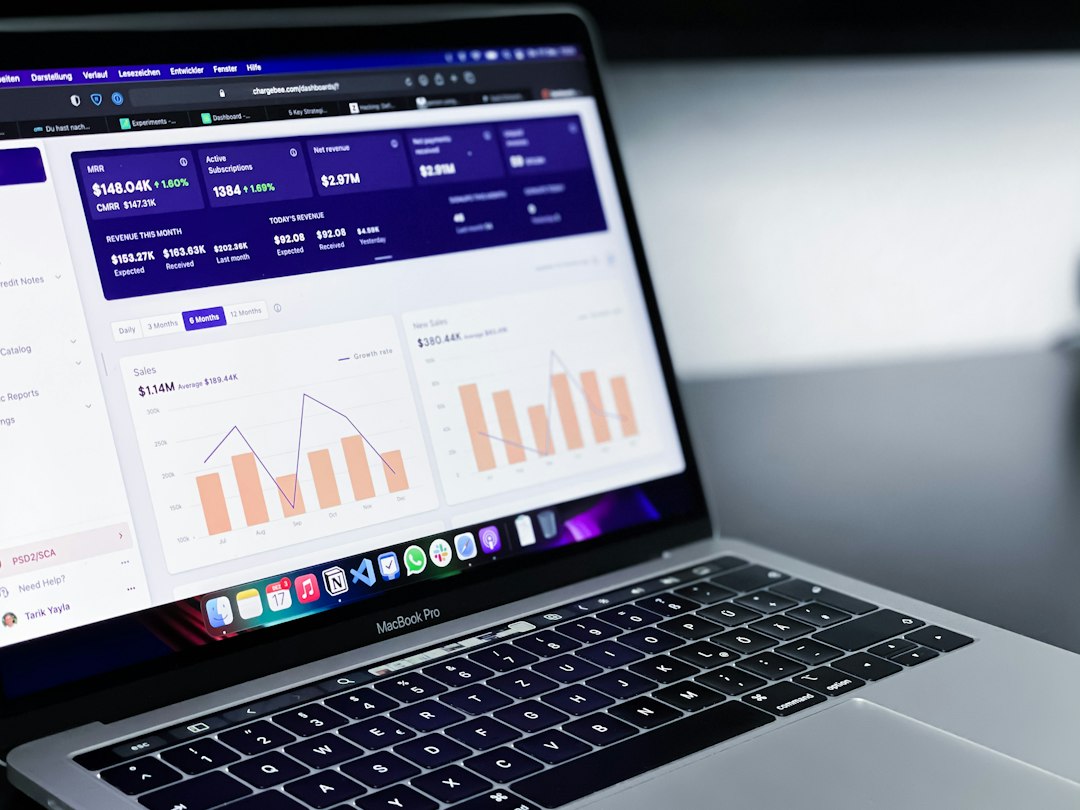
However, organizations will also become more cautious. AI in ITSM will need governance, audit trails, approval workflows, and clear boundaries. In 2026, the winning tools will not simply be the ones with the flashiest AI features, but the ones that can explain why an action was recommended and let humans remain in control.
2. Predictive ITSM Moves Ahead of the Ticket
Traditional ITSM often reacts after something breaks. In 2026, more organizations will prioritize predictive service management, using observability data, endpoint monitoring, network analytics, and historical incident patterns to prevent service disruptions.
For example, if a cloud application shows rising latency, failed authentication spikes, and resource saturation, the ITSM system may automatically create a high-priority incident before employees start reporting problems. This connects ITSM more closely with AIOps, monitoring platforms, and cloud operations.
The business value is clear: preventing a major outage is usually far cheaper than responding to one. As organizations depend more heavily on digital workflows, downtime becomes a revenue, reputation, and productivity issue, not just an IT inconvenience.
3. Experience Level Agreements Gain Ground
Service level agreements, or SLAs, are still important, but they do not always reflect how users actually feel. A ticket may be closed within the agreed time, yet the employee may still be frustrated by poor communication or a recurring issue. That is why experience level agreements, often called XLAs, will continue to gain attention in 2026.
XLAs measure factors such as:
- User satisfaction after support interactions
- Employee productivity impact caused by IT issues
- Quality of communication during incidents
- Frequency of repeat problems for the same user or team
- Perceived reliability of key business services
This trend reflects a larger shift: IT is being judged less by internal process metrics and more by how well it enables people to work. In 2026, mature ITSM teams will combine SLAs with XLAs to get a more honest view of performance.
4. ITSM and Cybersecurity Become More Connected
Cybersecurity incidents are increasingly service management incidents too. A compromised laptop, suspicious login, ransomware alert, or identity access failure can affect both security and service continuity. In 2026, the line between ITSM, IT operations, and security operations will become even thinner.
Expect stronger integrations between ITSM platforms and tools such as SIEM, SOAR, endpoint detection, identity management, and vulnerability management systems. When a critical vulnerability is discovered, an ITSM platform may automatically create change requests, assign remediation tasks, notify business owners, and track compliance deadlines.
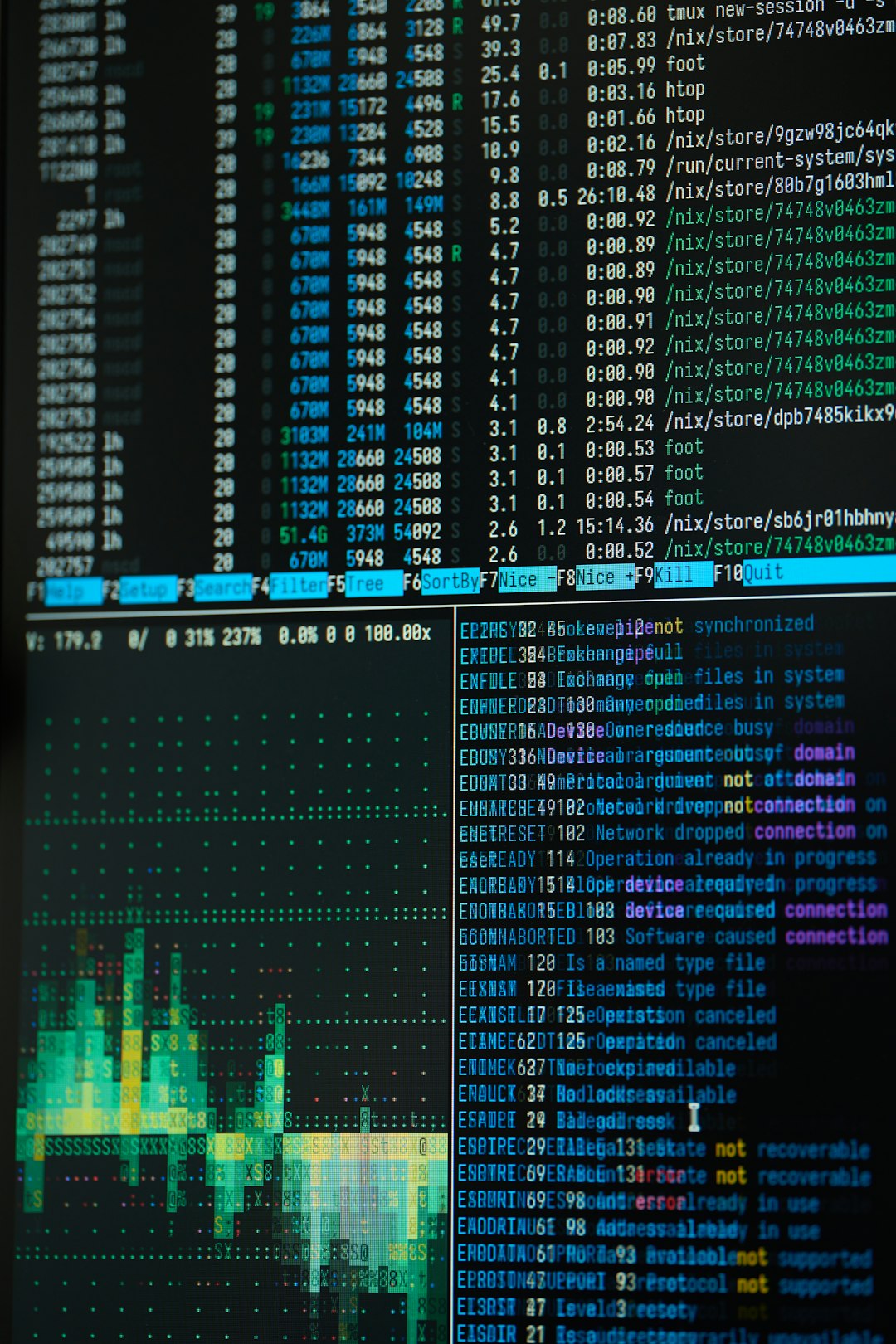
This is especially important as regulations and cyber insurance requirements become stricter. Companies will need better evidence that they responded to risks quickly and consistently. A well-configured ITSM platform can provide the workflow history, approvals, timestamps, and accountability that auditors increasingly expect.
5. Enterprise Service Management Expands Beyond IT
One of the most important industry shifts to watch in 2026 is the continued expansion of enterprise service management, or ESM. Many organizations are applying ITSM principles to departments such as HR, finance, facilities, legal, procurement, and customer operations.
The logic is simple: if IT can use structured workflows, knowledge bases, portals, and automation to handle requests efficiently, other departments can benefit from the same approach. Employees do not want to search through five different systems to ask for help. They want one simple service portal for common workplace needs.
Common ESM use cases include:
- Employee onboarding and equipment requests
- Contract review and legal intake
- Purchase approvals and vendor setup
- Facilities maintenance requests
- Payroll, benefits, and HR policy questions
In 2026, ITSM leaders may find themselves managing platforms that support the entire enterprise, not just the IT department. This creates new opportunities but also requires stronger governance, clearer ownership, and better service catalog design.
6. Knowledge Management Gets a Major Upgrade
Knowledge management has always been a core ITSM practice, but many organizations still struggle with outdated articles, duplicate content, and low user adoption. In 2026, AI will make knowledge management more dynamic. Tools will help identify missing articles, rewrite unclear instructions, detect outdated content, and recommend relevant answers during ticket creation.
Still, technology alone will not solve the problem. Successful teams will treat knowledge as a living product. They will assign owners, review article performance, track search failures, and measure whether self-service actually reduces ticket volume.
A practical benchmark: if a service desk receives 10,000 monthly tickets and can deflect even 15% through better knowledge and self-service, that means 1,500 fewer tickets for agents to manually handle. The savings in time and employee frustration can be significant.
7. Change Enablement Becomes Faster and Safer
In fast-moving cloud and DevOps environments, traditional change management can feel too slow. But removing control entirely is risky. In 2026, more ITSM teams will adopt change enablement models that balance speed with risk management.
Standard, low-risk changes will be increasingly automated and pre-approved, while high-risk changes will receive deeper review. AI may help assess change risk by analyzing historical failure rates, affected services, dependency maps, and deployment timing.
This will be especially valuable for organizations running hybrid infrastructure. A single change may affect cloud services, on-premises systems, identity platforms, and third-party applications. Better visibility into dependencies will help reduce failed changes and unexpected outages.
8. ITSM Metrics Shift Toward Business Value
By 2026, metrics like average handle time and ticket closure rate will still matter, but they will not be enough. Executives want to know how ITSM improves operational efficiency, risk reduction, employee retention, and customer experience.
More IT teams will report metrics such as:
- Cost per resolved request
- Business hours saved through automation
- Reduction in major incidents
- Employee satisfaction with digital services
- Revenue-impacting downtime avoided
This shift will require ITSM leaders to tell a better story. Instead of saying, “We closed 8,000 tickets,” they may say, “We automated 30% of password and access requests, saving 600 support hours per quarter.” That kind of reporting connects ITSM directly to business performance.
What ITSM Leaders Should Do Now
To prepare for 2026, organizations should begin with fundamentals. AI and automation are powerful, but they work best when processes, data, and ownership are already clear. Poorly categorized tickets, outdated knowledge articles, and confusing service catalogs will limit the value of even the most advanced tools.
ITSM leaders should focus on a few practical priorities:
- Clean up service data so AI and analytics can produce reliable insights.
- Modernize the knowledge base and make self-service easier to use.
- Integrate ITSM with security and monitoring tools to improve response speed.
- Adopt experience-based metrics alongside traditional operational KPIs.
- Identify automation opportunities in repetitive, high-volume request types.
The most successful ITSM teams in 2026 will not be the ones that chase every new feature. They will be the ones that use technology to create faster service, safer operations, better employee experiences, and measurable business value. In a digital-first economy, ITSM is becoming much more than a support function; it is becoming a strategic capability for resilient organizations.