


Your WordPress site is like a little shop on a busy street. If the door is locked, people leave. If the lights flicker, people get nervous. High availability WordPress hosting keeps that shop open, bright, and ready, even when traffic storms roll in.
TLDR: High availability hosting helps your WordPress site stay online as much as possible. It uses smart tools like load balancing, backups, caching, and failover servers. The best setup depends on your traffic, budget, and how much control you want. If uptime matters, choose hosting built for speed, safety, and quick recovery.
What Does High Availability Mean?
High availability, often called HA, means your site is designed to keep working when something goes wrong.
And something always goes wrong.
A server can crash. A plugin can break. A data center can have a bad day. A traffic spike can arrive like a herd of excited elephants.
High availability hosting does not promise magic. It does not mean your site will never go down. But it does mean your site has backup plans. Good ones.
Think of it like this. Normal hosting is one bicycle. HA hosting is a team of bikes, scooters, and one very dramatic helicopter.
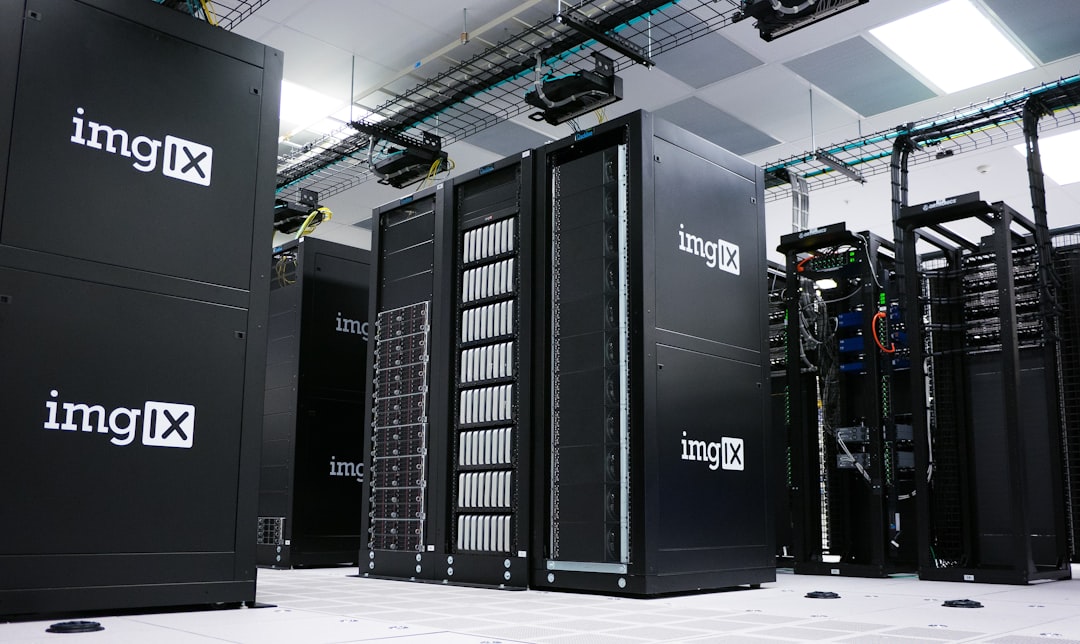
Why Uptime Matters So Much
When your WordPress site is down, people cannot visit it. That sounds obvious. But the effects are bigger than one missed click.
- Sales stop. No checkout. No bookings. No donations.
- Trust drops. Visitors may not come back.
- Search rankings can suffer. Search engines like reliable sites.
- Ads get wasted. Paid clicks to a dead page hurt.
- Your team panics. Nobody enjoys emergency Slack messages.
For a hobby blog, a little downtime may be annoying. For an online store, membership site, news site, or lead generation site, downtime can cost real money.
The Main Pieces of High Availability Hosting
HA hosting sounds technical. But the core idea is simple. Do not put all your eggs in one server basket.
Here are the main ingredients.
1. Load Balancing
A load balancer spreads traffic across multiple servers. If one server gets tired, another helps. If one server fails, traffic can move away from it.
It is like having several cashiers at a supermarket. One cashier can only scan so many bananas. Many cashiers keep the line moving.
2. Multiple Web Servers
Instead of one WordPress server, HA hosting often uses two or more. Each can serve your site. This reduces the risk of one server taking everything down.
This is great for busy sites. It is also helpful during updates, traffic spikes, and surprise internet chaos.
3. Database Reliability
WordPress depends on its database. Posts, pages, users, orders, and settings live there.
For high availability, the database should be protected. Some setups use database replication. Others use managed database clusters. The goal is simple. Keep the data safe and reachable.
4. Caching
Caching stores ready-made versions of your pages. This keeps WordPress from rebuilding every page for every visitor.
Caching can happen at many levels:
- Page cache
- Object cache
- Browser cache
- Content delivery network cache
Good caching makes your site faster. It also lowers server stress. Less stress means fewer crashes.
5. CDN Support
A CDN, or content delivery network, puts copies of your site assets around the world. Images, CSS, JavaScript, and sometimes full pages can load from nearby locations.
This is great for global visitors. Someone in Sydney should not have to wait for every file to travel from New York.
Image not found in postmeta6. Automatic Failover
Failover is the superhero move.
If one part fails, another part takes over. A strong HA setup can move traffic to a healthy server fast. Sometimes users do not even notice.
Without failover, your site may sit there wearing a sad error message.
7. Backups and Restore Tools
Backups are not the same as high availability. But they are still vital.
If your site gets hacked, deleted, or broken, backups save the day. The best hosting plans include automatic backups, easy restores, and off-site storage.
Look for backups that run often. Daily is good. Hourly is better for busy stores and membership sites.
Best Hosting Solutions for Maximum Uptime
There is no single perfect answer for everyone. A small blog and a giant WooCommerce store do not need the same setup.
Here are the best options to consider.
Managed WordPress Hosting
Managed WordPress hosting is the easiest path for many site owners.
The host handles server tuning, security rules, caching, updates, backups, and support. You focus on content and business. They handle the machinery.
This is a good choice if you want strong uptime without becoming a server wizard.
Best for: business sites, agencies, blogs, small stores, and teams that want simple management.
Cloud WordPress Hosting
Cloud hosting uses a network of servers instead of one physical machine. It can scale better than traditional hosting.
If traffic jumps, cloud resources can often grow with it. That makes it a strong choice for sites with seasonal spikes, campaigns, or viral content.
Best for: growing sites, high traffic blogs, SaaS pages, and flexible budgets.
Enterprise WordPress Hosting
Enterprise hosting is the fancy suit option. It is built for serious uptime, security, and support.
It may include dedicated architecture, advanced monitoring, custom caching, database clusters, and service level agreements.
Yes, it costs more. But for large businesses, media brands, and big stores, downtime costs even more.
Best for: large ecommerce, publishers, universities, and mission critical sites.
Self Managed Cloud Infrastructure
This is the build-it-yourself route.
You can create your own HA WordPress setup using cloud servers, load balancers, managed databases, object storage, and a CDN.
This can be powerful. It can also be messy. You need technical skills. You must monitor, patch, secure, and fix things yourself.
Best for: developers, DevOps teams, and companies with in-house technical support.
Features to Look For
When choosing high availability WordPress hosting, do not be dazzled by shiny words alone. Look for real features.
- Uptime guarantee: Look for clear service level terms.
- Automatic backups: Make sure restores are easy.
- Staging site: Test changes before going live.
- Built-in caching: Faster pages and less server load.
- CDN integration: Better global performance.
- Security monitoring: Malware and attacks are not cute.
- Scalable resources: Your site should grow smoothly.
- Expert support: Fast help matters during outages.
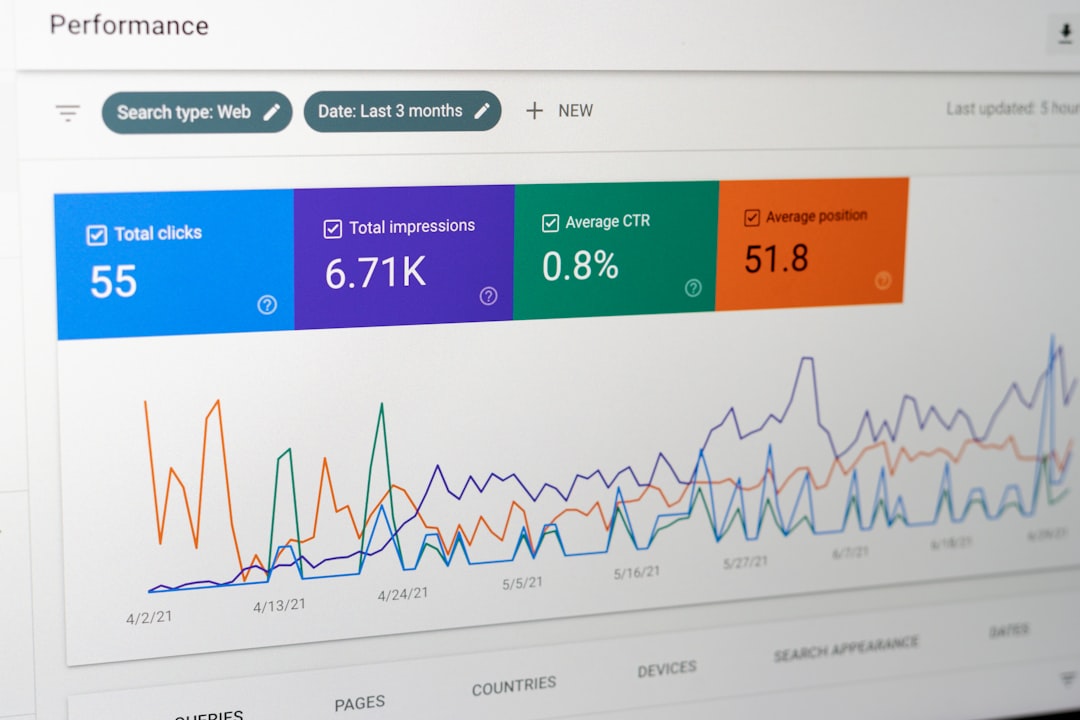
Do You Really Need High Availability?
Maybe. Maybe not.
If your site is a personal blog with light traffic, basic managed hosting may be enough. Spend your money on good content, design, and coffee.
But if your site makes money, collects leads, sells products, or supports customers, uptime matters a lot. In that case, high availability is not a luxury. It is protection.
Ask yourself these questions:
- How much money do I lose if my site is down for one hour?
- Do visitors expect my site to work all the time?
- Do I get traffic spikes?
- Do I run ads or campaigns?
- Can my team fix hosting problems quickly?
If the answers make you sweat, you should consider HA hosting.
Simple Tips to Improve Uptime
Hosting is important. But your WordPress habits matter too.
- Use reliable plugins only.
- Delete plugins you do not need.
- Keep WordPress, themes, and plugins updated.
- Use a lightweight theme.
- Set up uptime monitoring.
- Test backups before you need them.
- Use strong passwords and two factor login.
A powerful host cannot fully save a messy site. Keep things tidy. WordPress likes tidy.
Final Thoughts
High availability WordPress hosting is about staying open. It is about speed, safety, and calm mornings.
The best solution depends on your needs. Managed WordPress hosting is great for simple peace of mind. Cloud hosting is great for growth. Enterprise hosting is best for mission critical sites. Self managed infrastructure is powerful for technical teams.
Choose the setup that matches your traffic, risk, and budget. Then add strong backups, caching, monitoring, and security.
Your visitors may never notice your high availability setup. That is the point. The best uptime plan is quiet, steady, and boring in the most beautiful way.